Celebrity Kimono Trends: The Ultimate Modern Styling Guide
The Kimono Renaissance: From Red Carpets to TikTok
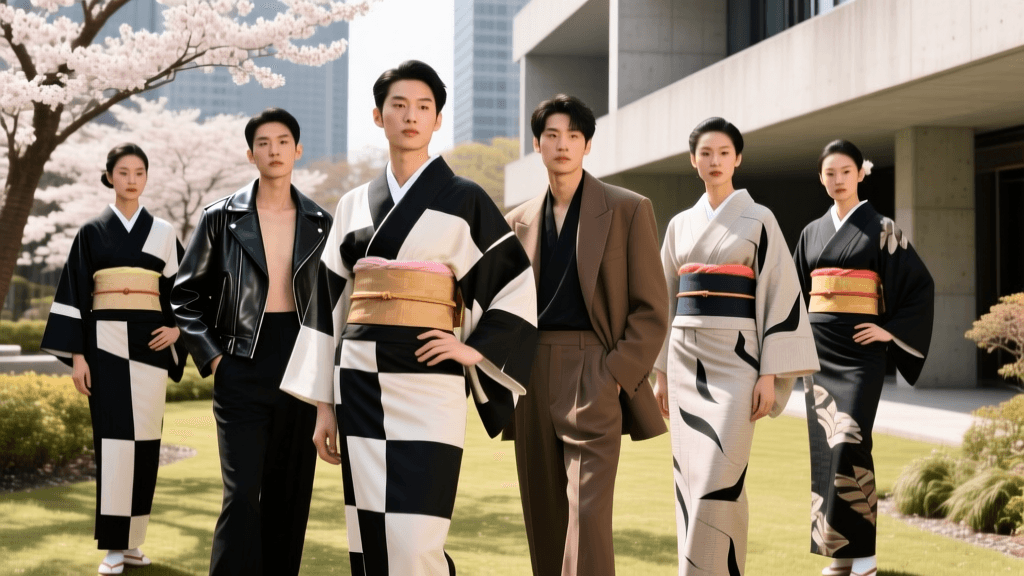
The kimono is no longer confined to the rigid, historical rules of the past. Thanks to a new wave of celebrities, fashion influencers, and avant-garde stylists, Japan’s national garment is experiencing a vibrant renaissance. As highlighted by the Victoria and Albert Museum's 'Kimono: Kyoto to Catwalk' exhibition, the garment has always been a dynamic canvas for global and contemporary dialogue. Today, social media personalities and global pop stars are pushing the boundaries of kitsuke (the art of wearing kimono), blending Edo-period elegance with Harajuku streetwear and Western high fashion. This shift is not just about aesthetics; it is a vital survival mechanism for a garment that was at risk of fading into ceremonial obscurity.
For decades, the strict guidelines dictated by institutions like the All Japan Kimono Consultants Association governed how, when, and where a kimono could be worn. Seasonal motifs, precise hem lengths, and specific obi knots were non-negotiable. However, a new generation of digital creators and celebrities—ranging from Japanese actors to global fashion icons experimenting with silk archives—have embraced the kimono as a form of radical self-expression. They are proving that the kimono can be lived in, danced in, and styled for a night out in Shibuya or a fashion week afterparty in Paris.
Deconstructing the Influencer Kimono Look
1. Footwear Rebellion: Sneakers and Chunky Boots
Traditional zori (woven sandals) and tabi (split-toe socks) are iconic, but they are notoriously difficult to walk in for extended periods, especially on modern asphalt. Influencers have popularized pairing vintage silk komon (everyday kimono) with chunky streetwear footwear. Think Nike Air Force 1s, Dr. Martens Jadon platforms, or even high-end designer sneakers. This juxtaposition of delicate antique silk with heavy, utilitarian rubber soles creates a striking visual tension that dominates modern street style photography.
Actionable Advice: When swapping flat zori for a platform shoe with a 5cm (2-inch) sole, you must adjust the o-hashori (the waist fold that dictates the kimono's hemline). Traditionally, the hem should graze the ankle bone. With platforms, leave the hem 2 to 3 centimeters longer than usual to maintain the visual balance of the garment and prevent the silhouette from looking awkwardly truncated. Furthermore, opt for modern stretch tabi sneakersocks if you want the split-toe aesthetic without the discomfort of traditional stiff cotton tabi.
2. The Corset and Wide-Belt Obi
The obi (sash) is the most expensive and complex component of traditional kitsuke. A formal fukuro obi can easily cost between $300 and $1,500, and tying a traditional taiko musubi (drum knot) requires a mirror, specialized padding (obi-ita), and years of practice. Celebrities and TikTok stylists have bypassed this by introducing Western waist-cinching elements. Fashion corsets, wide vintage leather belts, and even upcycled denim sashes are now wrapped over the kimono to secure it while adding an edgy, structured, and distinctly modern silhouette.
Actionable Advice: To achieve this look safely without damaging delicate vintage silk, first wrap a soft, traditional koshihimo (cotton tying cord) tightly around your waist to secure the kimono in place. Then, layer a 10cm to 15cm wide fashion corset or a thick leather belt over the top. This provides the visual impact of a high-fashion editorial shoot while ensuring the garment remains securely fastened throughout the day. Avoid using belts with sharp metal studs on the interior, as they can easily snag and tear antique crepe silk.
3. Radical Layering and the Haneri
The haneri is the decorative collar attached to the undergarment (juban). Historically, this was an opportunity to show off exquisite, subtle embroidery. Today’s influencers treat the collar and neckline as prime real estate for bold, contrasting layering. Instead of a plain white silk haneri, you will frequently see lace turtlenecks, vintage Hermès scarves, mesh tops, or even crisp white button-down collars peeking out from the neckline of a kimono.
Actionable Advice: If you are wearing a darker, autumn-themed tsumugi (woven silk) kimono, layer a sheer black mesh turtleneck underneath. Use double-sided fabric tape to secure the mesh to the inner collar of the kimono, ensuring it doesn't slip down and ruin the clean lines of the neckline. This adds a gothic, contemporary texture that contrasts beautifully with traditional woven silk, perfect for evening events or gallery openings.
Cost and Component Breakdown: Traditional vs. Influencer Styling
One of the most significant drivers of the modern kimono movement is accessibility. By substituting expensive, specialized traditional undergarments and accessories with modern wardrobe staples, influencers have drastically lowered the barrier to entry. Below is a comparison of the costs and components involved in both styling methods.
| Component | Traditional Kitsuke | Influencer / Modern Styling |
|---|---|---|
| Base Garment | Custom or high-end vintage silk Kimon ($150 - $500+) | Thrifted polyester or silk Komon ($15 - $45) |
| Undergarments | Silk Juban, Hadajuban, Koshihimo, Datejime ($80 - $200) | Camisole, slip shorts, modern elastic ties ($15 - $30) |
| Waist / Obi | Fukuro Obi, Obi-ita, Obi-jime, Obi-age ($200 - $1,000+) | Wide leather belt or fashion corset ($25 - $80) |
| Footwear | Zori sandals and silk Tabi socks ($60 - $150) | Chunky sneakers or platform boots ($50 - $220) |
| Dressing Time | 45 - 90 minutes (often requires a professional) | 10 - 15 minutes (self-dressed) |
| Total Estimated Cost | $490 - $1,850+ | $105 - $375 |
Actionable Guide: Recreating the Celebrity Look on a Budget
If you want to emulate the trendsetting looks seen on global influencers without spending a fortune, follow this step-by-step blueprint for a modern, street-style-approved kimono outfit:
- Step 1: Source the Canvas. Look for a vintage komon (repeating pattern kimono) or a tsumugi (woven silk) online or in thrift stores. These are considered casual wear, meaning you won't face cultural backlash for styling them unconventionally. Aim for a length that matches your height plus 20cm to allow for the waist fold.
- Step 2: Modernize the Base. Skip the traditional hadajuban (under-kimono). Instead, wear a fitted, ribbed tank top and bicycle shorts. This provides a smooth silhouette, prevents sweat from damaging the vintage silk, and keeps you cool in warm weather.
- Step 3: The Wrap and Tie. Wrap the kimono left over right (always left over right; right over left is strictly reserved for dressing the deceased). Secure it tightly at the natural waist using a simple cotton cord or even a shoelace. Create a 5cm o-hashori (waist fold) and tie a second cord just below the bust to lock the fold in place.
- Step 4: The Statement Waist. Take a wide, structured Western belt (at least 8cm wide) or an underbust corset and fasten it over the kimono's waistline. This hides the tying cords and mimics the visual weight of a traditional obi.
- Step 5: Ground the Look. Step into a pair of chunky loafers, combat boots, or high-top sneakers. Ensure the hem of the kimono falls just above the top of the shoe to avoid tripping and to keep the fabric away from street dirt.
Where to Source Modern and Vintage Pieces
The secret to the influencer kimono look is the juxtaposition of high and low fashion, which requires access to affordable vintage garments. If you are traveling to Japan, the Japan National Tourism Organization (JNTO) highlights several key districts for vintage shopping. In Tokyo, neighborhoods like Shimokitazawa, Koenji, and Harajuku are treasure troves for antique silk. Shops like Chicago or New York Joe Exchange often have dedicated kimono floors where you can find uncleaned, vintage silk pieces for as little as $10 to $30.
For those sourcing internationally, online marketplaces like Etsy, eBay, and specialized Japanese export sites (such as Yamato or Kimono Yamato) offer worldwide shipping. When searching online, use specific terminology: search for 'vintage silk komon', 'washable polyester kimono', or 'haori jacket' to filter out expensive, formal wedding garments and costume-grade polyester fakes. A haori (kimono jacket) is an excellent entry point for beginners; it can be worn open over a simple t-shirt and denim jeans, instantly elevating a casual outfit with a touch of celebrity-approved, cross-cultural flair.
Cultural Respect and the Modern Wearer
While breaking the rules of kitsuke is a celebrated form of modern expression, it is vital to approach the garment with an understanding of its cultural weight. The consensus among progressive wearers and modern stylists is that you must understand the rules before you can respectfully break them. Always ensure the kimono is wrapped left over right. Avoid wearing garments with specific family crests (kamon) or overtly religious/ceremonial motifs in a casual, streetwear context. By treating the kimono not as a costume, but as a living, breathing piece of fashion history that is capable of evolving, you participate in a global dialogue that honors the artisans who wove the silk centuries ago, while firmly planting the garment in the fashion of the future.