Authentic Carpathian Vyshyvanka & Ie Sourcing Guide 2026
The Renaissance of Carpathian Folk Dress in 2026
The global appreciation for Eastern European folk dress has reached an unprecedented zenith in 2026. Driven by a powerful slow-fashion movement, a renewed focus on cultural preservation, and the tireless efforts of diaspora communities, traditional garments from the Slavic and Balkan regions are no longer relegated to museum archives or occasional festival wear. Today, the Ukrainian vyshyvanka and the Romanian ie are celebrated as masterpieces of textile engineering and geometric artistry. However, this surge in popularity has also flooded the market with mass-produced, machine-embroidered imitations. For serious collectors, cultural enthusiasts, and ethical fashion consumers, knowing how to source, authenticate, and preserve hand-loomed Carpathian folk blouses is more critical than ever. This comprehensive 2026 guide will walk you through the intricate anatomy of these garments, regional variations, and the best practices for acquiring authentic artisan pieces.
Distinguishing the Vyshyvanka and the Ie
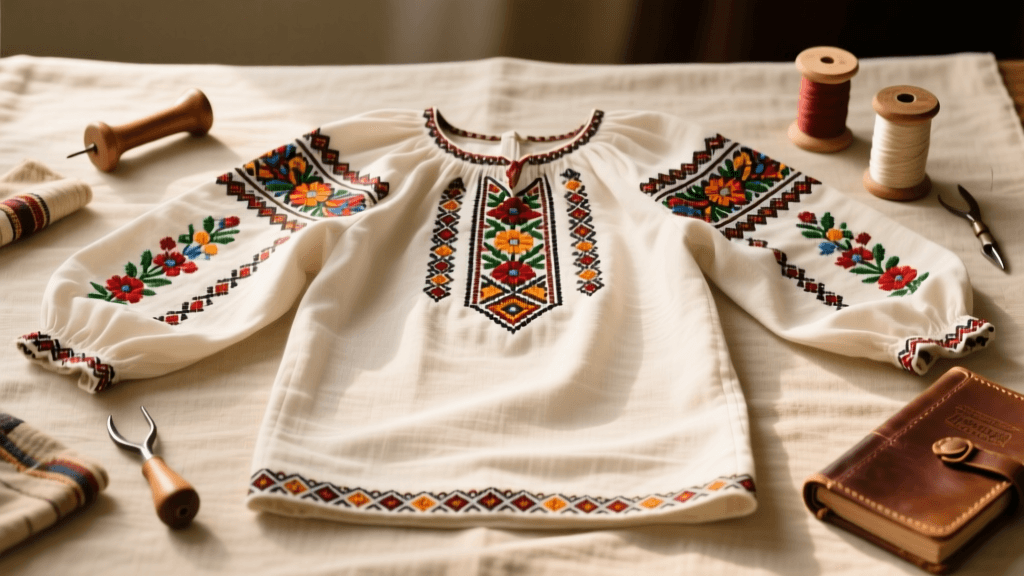
While Western observers often group all Eastern European embroidered blouses under a single umbrella, the structural and stylistic differences between the Ukrainian vyshyvanka and the Romanian ie are profound. The vyshyvanka is a broad term encompassing any embroidered shirt from Ukraine, with cuts ranging from the tunic-style chumachka to the gathered-sleeve sorochka. The embroidery placement is typically concentrated on the cuffs, the hem, and the central chest placket, serving as protective talismans against malevolent spirits.
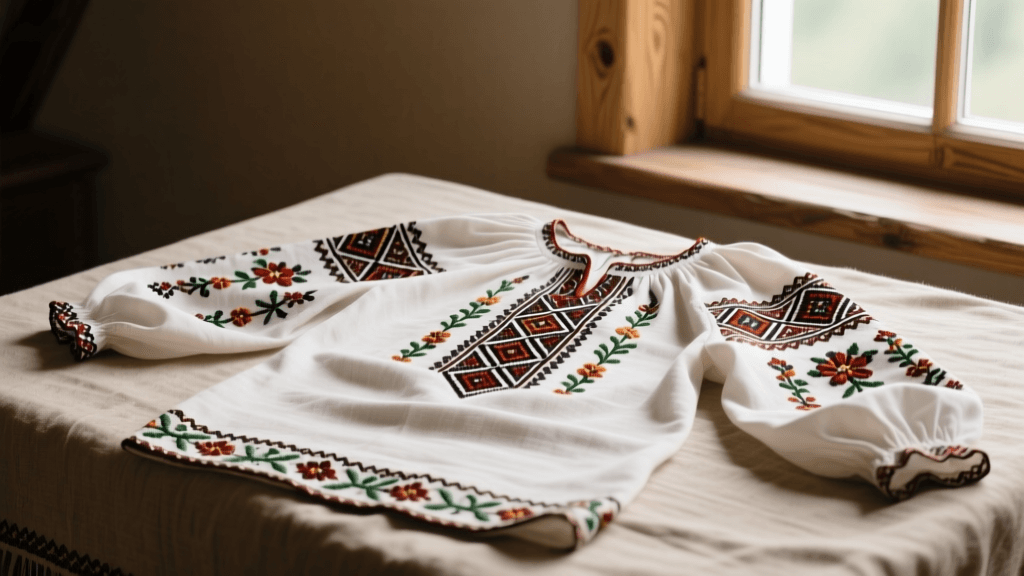
The Romanian ie (pronounced 'ee-eh'), specifically the traditional blouse of the Carpathian and sub-Carpathian regions, follows a much stricter architectural code. A genuine ie is defined by four primary components: the altiță (a rectangular, heavily embroidered shoulder piece that denotes regional identity and social status), the încreț (a smocked, often contrasting band below the shoulder), the râuri (vertical or diagonal 'rivers' of embroidery flowing down the sleeves), and the cheiță (decorative lace or crocheted seams joining the fabric panels). In 2026, master weavers in regions like Maramureș and Bucovina continue to spin and weave the hemp and linen blends required to support the dense, heavy wool and silk embroidery of the altiță without tearing the base fabric.
Regional Variations: From Hutsul to Muntenia
Authentication in 2026 requires a keen eye for regional geometry. In the Ukrainian Hutsul region, artisans favor complex, dense geometric cross-stitch motifs in vibrant reds, blacks, and yellows, often incorporating metallic threads or glass beads. Conversely, the Poltava region is famous for its bila po bilomu (white-on-white) embroidery, utilizing up to 150 different satin and cut-work stitches to create shadow-and-light textures. In Romania, the ie of Muntenia features bold, curvilinear floral and vegetal motifs in deep reds and blues, while the Transylvanian ie often utilizes a more restrained palette of black, red, and metallic gold, with intricate smocking at the neckline. According to the archival resources maintained by the Romanian Peasant Museum (Muzeul Național al Țăranului Român), the specific combination of the altiță pattern and the râuri angle can pinpoint a blouse's origin to a single village.
2026 Sourcing Guide: Finding Authentic Artisans
Sourcing an authentic, hand-loomed, and hand-embroidered Carpathian blouse in 2026 requires bypassing commercial dropshippers and connecting directly with artisan cooperatives and verified heritage platforms. A genuine, newly commissioned ie or vyshyvanka takes anywhere from 80 to 300 hours to complete. Consequently, pricing reflects this immense labor. In 2026, expect to pay between $350 and $900 USD for a new, authentic artisan blouse, while antique pieces from the late 19th or early 20th century can command $1,500 to $5,000 USD at specialized textile auctions.
When evaluating a piece, always inspect the reverse side of the embroidery. Traditional Carpathian techniques, such as the Romanian peste fire (over-the-thread) stitch or the Ukrainian zavolikannya (running stitch), are designed to look nearly identical on both the front and back of the fabric. If the back is a chaotic mess of loose threads and knots, the garment was likely machine-embroidered or stitched by an untrained laborer using non-traditional shortcuts. Furthermore, authentic 2026 cooperatives will provide a certificate of origin detailing the weaver, the embroiderer, the village, and the specific natural dyes used.
Textile and Embroidery Comparison Chart
To assist collectors and enthusiasts in identifying regional traits, the following table outlines the primary material and structural differences across three major Carpathian folk dress traditions as they are practiced today.
| Feature | Ukrainian Hutsul Vyshyvanka | Romanian Muntenian Ie | Ukrainian Poltava Vyshyvanka |
|---|---|---|---|
| Base Fabric | Hand-loomed hemp/linen blend | Finely woven borangic (raw silk) or cotton | High-thread-count bleached linen |
| Primary Stitches | Cross-stitch, nyzynka (darning) | Satin stitch, lănțișor (chain stitch) | Cut-work, white-on-white satin stitch |
| Color Palette | Red, black, yellow, green | Deep madder red, indigo blue, black | White, pale grey, subtle gold |
| Embellishments | Glass beads, metallic brass threads | Silk thread, occasional sequins | None (relies on thread texture) |
| Average 2026 Price | $450 - $700 USD | $500 - $850 USD | $350 - $600 USD |
Natural Dyes and Material Integrity
A major hallmark of the 2026 Eastern European folk dress revival is the strict return to bio-dyes and heritage materials. Fast-fashion dyes bleed and degrade, but traditional natural dyes actually improve with age, developing a rich patina. Artisans in the Carpathian mountains are currently harvesting madder root (Rubia tinctorum) to achieve deep, colorfast reds, and utilizing fermented woad and Japanese indigo for blues. Yellow and gold tones are derived from weld, onion skins, and chamomile. When sourcing a piece, ask the artisan about their mordanting process; traditional methods use alum, iron, or tannin-rich oak galls to bind the dye to the linen fibers. A genuine natural-dyed garment will have a slightly uneven, organic depth of color that synthetic dyes simply cannot replicate.
Preservation and Care for Hand-Loomed Linen
Investing in an authentic vyshyvanka or ie is an investment in wearable history, and proper care is essential to ensure these textiles survive for future generations. Hand-loomed linen and hemp are incredibly durable, but the dense embroidery and natural dyes require specialized handling. According to the Victoria and Albert Museum's textile conservation guidelines, historic and artisanal textiles should never be subjected to the agitation of modern washing machines or the harsh chemicals of commercial dry cleaners.
For routine cleaning in 2026, hand-wash the garment in lukewarm water using a pH-neutral, conservation-grade textile soap. Never wring or twist the fabric, as this will distort the smocking and break the embroidery threads. Instead, gently press the water out and roll the blouse in a clean, dry cotton towel to absorb excess moisture. Lay the garment flat to dry away from direct sunlight, which can fade natural madder and woad dyes. When ironing, always press the garment on the reverse side over a thick, padded towel to prevent crushing the three-dimensional texture of the cross-stitch and satin stitches. For long-term storage, fold the blouse with acid-free tissue paper to prevent hard creases, and store it in a breathable cotton pillowcase in a cool, climate-controlled environment.
Cultural Significance and Heritage
Wearing a traditional Carpathian blouse in 2026 is an act of cultural resilience. These garments are not merely aesthetic choices; they are encoded texts that communicate the wearer's geographic origin, marital status, and spiritual beliefs. The geometric motifs often represent agricultural cycles, solar symbols, and the tree of life. The global recognition of these traditions has been solidified by their inclusion on the UNESCO Intangible Cultural Heritage lists, which has helped secure funding for artisan apprenticeships and rural weaving cooperatives. By choosing to source directly from these verified cooperatives, collectors and enthusiasts play a vital role in sustaining the rural economies and preserving the intangible heritage of the Slavic and Balkan regions for the next century.