Carpathian Folk Blouse Embroidery 2026: Linen, Threads & Motifs
The 2026 Revival of Carpathian Textile Heritage
The traditional folk blouses of the Carpathian region—most notably the Ukrainian vyshyvanka and the Romanian ie—have transcended their historical roots to become global symbols of cultural resilience and artisanal mastery. As we navigate the slow-fashion landscape of 2026, there has been an unprecedented surge in demand for authentic, hand-embroidered Eastern European garments. Modern artisans and heritage enthusiasts are no longer satisfied with mass-produced, machine-embroidered approximations. Instead, the 2026 market is defined by a rigorous return to historical accuracy, prioritizing hand-loomed linens, naturally dyed threads, and region-specific geometric and floral motifs. According to cultural preservation advocates at the Ukrainian Institute, the global appreciation for these garments has shifted from mere aesthetic admiration to a deep, scholarly engagement with the semiotics of traditional stitching.
For contemporary embroiderers, textile historians, and fashion designers, understanding the precise material requirements of these garments is essential. The interplay between the warp and weft of the foundation fabric and the tensile strength of the embroidery thread dictates the longevity and visual authenticity of the final piece. This comprehensive guide explores the meticulous process of sourcing materials, decoding regional patterns, and executing the foundational stitches that define Slavic and Balkan folk dress in the modern era.
Sourcing Authentic Linen and Threads in 2026
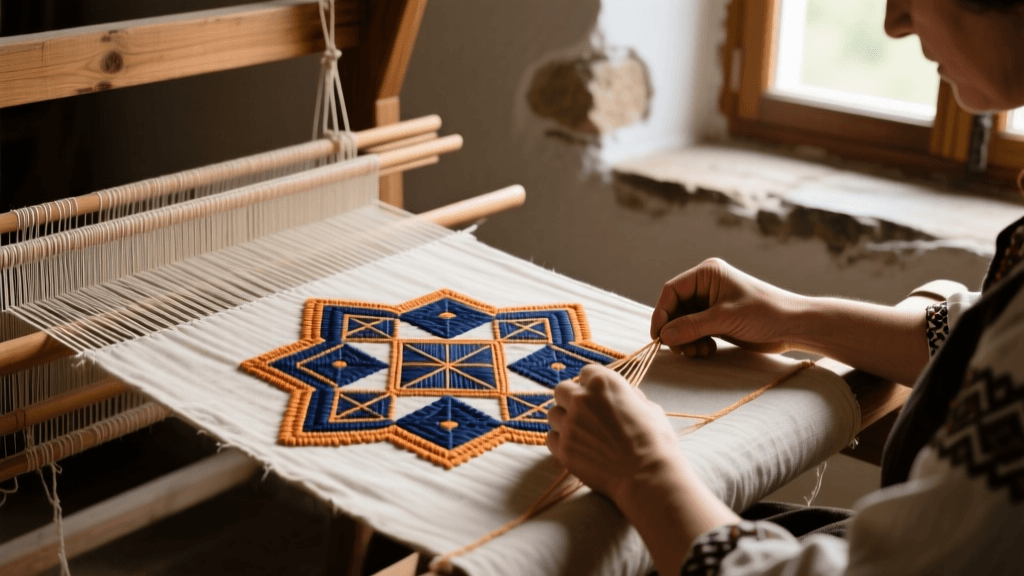
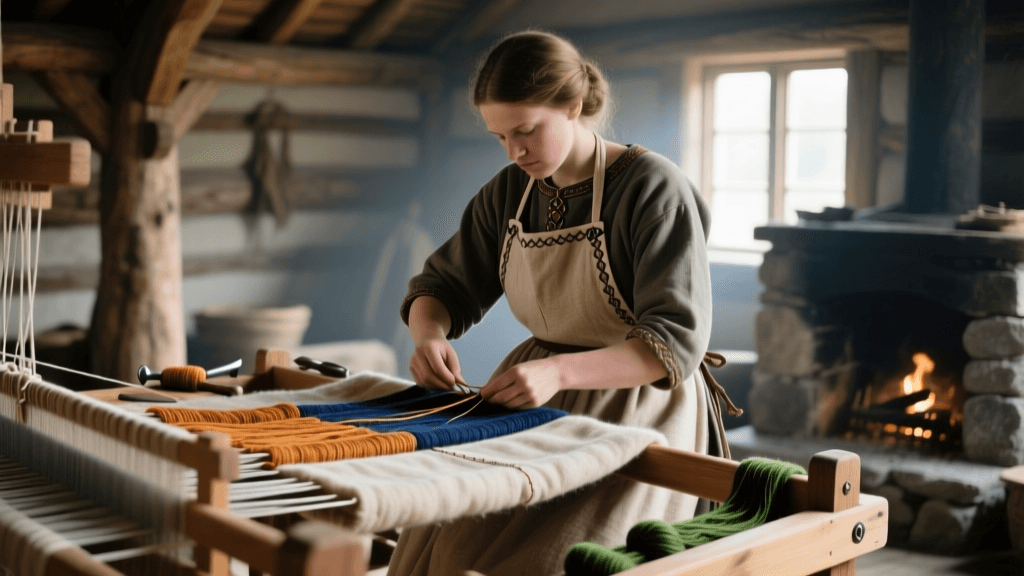
The foundation of any authentic Carpathian blouse is the fabric. Historically, women in the Carpathian foothills grew, harvested, scutched, and spun their own flax, weaving it on narrow wooden looms. Today, while true hand-spun, hand-woven antique linen is largely reserved for museum archives, a new generation of European mills and artisan cooperatives have revived traditional weaving techniques. In 2026, the European flax harvest has seen a stabilization following the climate anomalies of the early 2020s, making high-quality, long-staple flax more accessible to specialized weavers.
When sourcing linen for a vyshyvanka or ie, the thread count and weave structure are paramount. Traditional embroidery techniques, particularly drawn-thread work and cutwork, require an evenweave fabric where the warp and weft threads are identical in thickness and perfectly spaced. A 28-count or 32-count evenweave linen remains the gold standard for 2026 artisans. Mill-woven linens from established heritage mills in Belarus, Ukraine, and Romania offer the consistency required for complex geometric cross-stitch patterns, while cooperative-spun linens offer a slubby, rustic texture highly prized for Maramureș-style blouses.
Thread Selection: Wool, Silk, and Cotton
The choice of embroidery thread is equally critical. While modern mercerized cotton is widely available, purists in 2026 are increasingly turning to historically accurate materials. Hand-spun wool, dyed with natural botanicals, is essential for the thick, textured satin stitches found in Hutsul region garments. For the delicate, intricate collars and cuffs of the Romanian ie, fine silk threads and unmercerized cotton provide a matte finish that mimics 19th-century antique pieces. Metallic threads, historically made from actual silver and gold wire, are now replicated using high-quality, tarnish-resistant copper-alloy threads that provide the same luminous without the degradation associated with vintage metalwork.
| Material Type | Best Use Case | 2026 Average Cost | Sourcing Notes |
|---|---|---|---|
| Handwoven Evenweave Linen (28-ct) | Cutwork, drawn-thread, complex cross-stitch | $55 - $75 per meter | Source directly from Carpathian weaving cooperatives; expect 3-month lead times. |
| Mill-Woven Linen Union Cloth | Everyday practice, machine-washable garments | $25 - $40 per meter | Widely available from Eastern European textile exporters; consistent but lacks rustic slub. |
| Hand-Dyed Botanical Wool | Hutsul geometric satin stitch, heavy cuffs | $18 - $25 per 100g skein | Requires specialist natural dyers; colors include madder red, weld yellow, and woad blue. |
| Unmercerized Cotton Floss | Romanian ie altita (shoulder) and raut (sleeve) | $2.50 - $4.00 per skein | Matte finish essential for historical accuracy; avoid modern high-sheen alternatives. |
Decoding Regional Motifs: Hutsul, Maramureș, and Bukovina
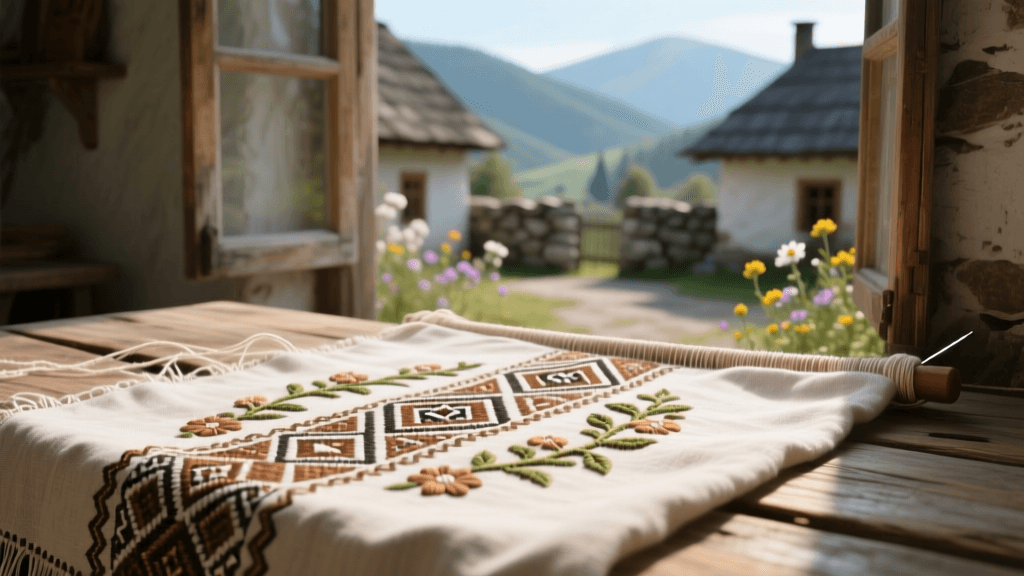
The visual language of Carpathian folk dress is deeply regional, with motifs serving as protective talismans, indicators of marital status, and markers of geographic origin. The National Museum of the Romanian Peasant emphasizes that the placement of these motifs—the altita (shoulder epaulet), the incret (neckline gathering), and the vertical raut (sleeve rivers)—is strictly governed by centuries-old conventions that contemporary designers must respect to maintain cultural integrity.
The Hutsul Region: Bold Geometry and Vibrant Contrast
The Hutsul highlanders of the Ukrainian and Romanian Carpathians are renowned for their bold, densely packed geometric patterns. The primary motif is the rhombus, symbolizing fertility and the sown field, often intersected with crosses and eight-pointed stars. In 2026, the Hutsul color palette remains fiercely traditional: stark black backgrounds punctuated by vibrant madder red, bright yellow, and deep green. The embroidery is typically executed in a dense cross-stitch or a raised satin stitch, creating a heavily textured, almost armored feel on the linen.
Maramureș: Subtle Elegance and Masterful Cutwork
In stark contrast, the Maramureș region favors subtlety, monochromatic palettes, and an astonishing mastery of negative space. The ie from this region relies heavily on lyshva (cutwork) and drawn-thread techniques. Rather than adding thread to the fabric, Maramureș artisans remove warp and weft threads, wrapping the remaining ones to create intricate, lace-like geometric webs. White-on-white or cream-on-cream embroidery is the hallmark of this style, requiring impeccable tension and an absolute mastery of the foundation fabric's grain.
Bukovina: Floral Exuberance and Seed Stitchery
The Bukovina region, straddling the border of Ukraine and Romania, introduces a more fluid, floral aesthetic. Here, the rigid geometry of the highlands gives way to stylized vines, roses, and periwinkles. A defining technique of Bukovinian dress is the use of seed stitch and beadwork. In 2026, artisans are reviving the use of tiny, matte glass seed beads, integrating them into the floral motifs to catch the light, a technique that was highly popular in the late 19th and early 20th centuries before the disruption of global trade routes.
Essential Stitching Techniques for the Modern Artisan
Executing a Carpathian folk blouse requires a diverse repertoire of hand-stitching techniques. While the basic cross-stitch (krestik) is the most widely recognized, it is merely one tool in a vast textile vocabulary.
- Two-Sided Cross-Stitch: Unlike modern stamped patterns that result in messy backs, traditional Slavic cross-stitch must be identical on both the obverse and reverse sides. This technique, known as zavolikannya in some regions, requires the needle to travel vertically and horizontally without ever crossing diagonally on the back of the fabric, ensuring the garment is comfortable against the skin and structurally sound.
- Satin Stitch (Glad): Used extensively for filling in geometric shapes and floral petals, the traditional Carpathian satin stitch is padded. Artisans lay down a foundation of running stitches before working the satin stitches over them, creating a raised, three-dimensional effect that is particularly striking when worked in hand-spun wool.
- Drawn-Thread Work and Hemstitching: Essential for the cuffs, hem, and neckline of the blouse. Threads are carefully withdrawn from the linen, and the remaining threads are bundled and wrapped using a blunt needle to create openwork patterns. This technique not only decorates the garment but also prevents the raw edges of the handwoven linen from fraying.
- The Gathering Stitch (Smocking): The neckline and cuffs of the ie and vyshyvanka are traditionally gathered using a complex honeycomb smocking stitch, often worked in a contrasting color like black or deep red, providing both elasticity and a highly decorative finish without the use of modern elastic bands.
Natural Dyes and the 2026 Colorfast Revolution
A major development in the 2026 heritage textile market is the perfection of colorfast natural dyes. Historically, botanical dyes were prone to fading and bleeding, which limited the longevity of heavily worn folk garments. Today, specialized dye houses in Eastern Europe have combined traditional botanical recipes with modern, eco-friendly mordanting processes. Using aluminum acetate and plant-based tannins, artisans can now achieve vibrant, wash-fast colors using madder root for deep reds, weld for bright yellows, and fermented woad for rich blues. This synthesis of ancient chemistry and modern sustainability ensures that a newly stitched vyshyvanka will retain its historical brilliance for generations, bridging the gap between museum preservation and daily wearability.
Ethical Sourcing and Cultural Preservation
As the global appetite for Eastern European folk dress grows, so does the risk of cultural appropriation and the proliferation of unethical, mass-produced knockoffs. For the 2026 artisan and consumer, ethical sourcing is non-negotiable. Purchasing foundation fabrics and threads directly from women's weaving cooperatives in the Carpathian foothills ensures that the economic benefits of the slow-fashion revival remain within the communities that originated these techniques. Furthermore, engaging with the deep semiotics of the patterns—understanding that a specific arrangement of rhombuses signifies a harvest blessing, while a particular vine motif represents the continuity of family lineage—transforms the act of embroidery from a mere craft into a profound act of cultural stewardship. By honoring the materials, the motifs, and the makers, the legacy of the Carpathian folk blouse continues to thrive as a living, breathing testament to European textile heritage.