C-Drama Hanfu Trends: Recreating Xianxia and Wuxia Costumes
The C-Drama Effect: From Screen to Street
The global explosion of Chinese historical and fantasy dramas—affectionately known as C-dramas—has done far more than entertain international audiences; it has single-handedly catalyzed a multi-billion dollar fashion revival. Blockbuster series like The Untamed (Chen Qing Ling), Love Between Fairy and Devil (Cang Lan Jue), and Nirvana in Fire have transformed traditional Chinese clothing from a niche historical interest into a vibrant, everyday fashion movement. According to a comprehensive cultural report by BBC News, the Hanfu movement has seen millions of young Chinese and international enthusiasts embracing these garments, driven heavily by the romanticized aesthetics seen on screen.
For fans looking to transition from passive viewing to active styling, understanding the distinction between the two dominant C-drama genres—Xianxia (immortal fantasy) and Wuxia (martial arts)—is the first step toward building an authentic, screen-accurate wardrobe. This guide breaks down the silhouettes, fabrics, and sourcing strategies needed to recreate your favorite C-drama looks, whether you are aiming for the ethereal grace of a celestial deity or the grounded heroism of a wandering swordsman.
Xianxia vs. Wuxia: Decoding the Silhouettes
Costume designers in the C-drama industry use distinct visual languages to separate the magical realms of Xianxia from the gritty, historical-adjacent worlds of Wuxia. Before making a purchase, it is crucial to understand which aesthetic you are trying to achieve.
| Feature | Xianxia (Immortal Fantasy) | Wuxia (Martial Arts) |
|---|---|---|
| Core Aesthetic | Ethereal, celestial, romantic, gravity-defying | Grounded, structured, practical, heroic |
| Key Garments | Da Xiu Shan (Large Sleeve Shirt), Qixiong Ruqun (Chest-high skirt) | Yuanlingpao (Round-collar robe), Banbi (Half-sleeve), Bixi (Knee covers) |
| Fabric Choices | Chiffon, silk organza, tulle, lightweight jacquard | Cotton-linen blends, heavy brocade, raw silk, leather accents |
| Sleeve Style | Exaggerated wide sleeves (often 150cm+ wingspan) | Narrow or bound sleeves (Jianxiu) for combat mobility |
| Color Palette | Pastels, stark whites, icy blues, ombré gradients | Earth tones, deep reds, blacks, muted greens |
Recreating the Looks: A Practical Guide
The Ethereal Xianxia Fairy
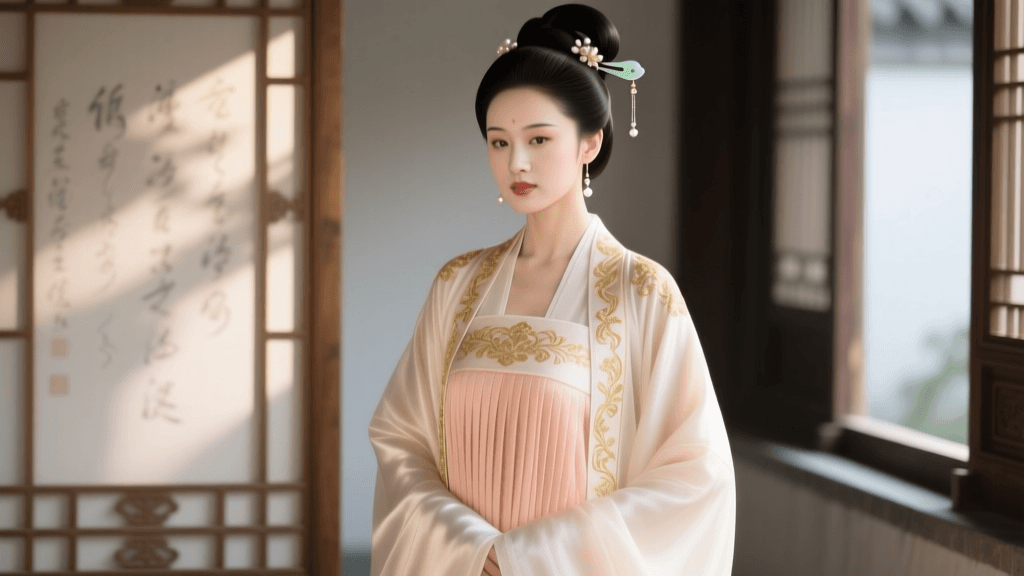
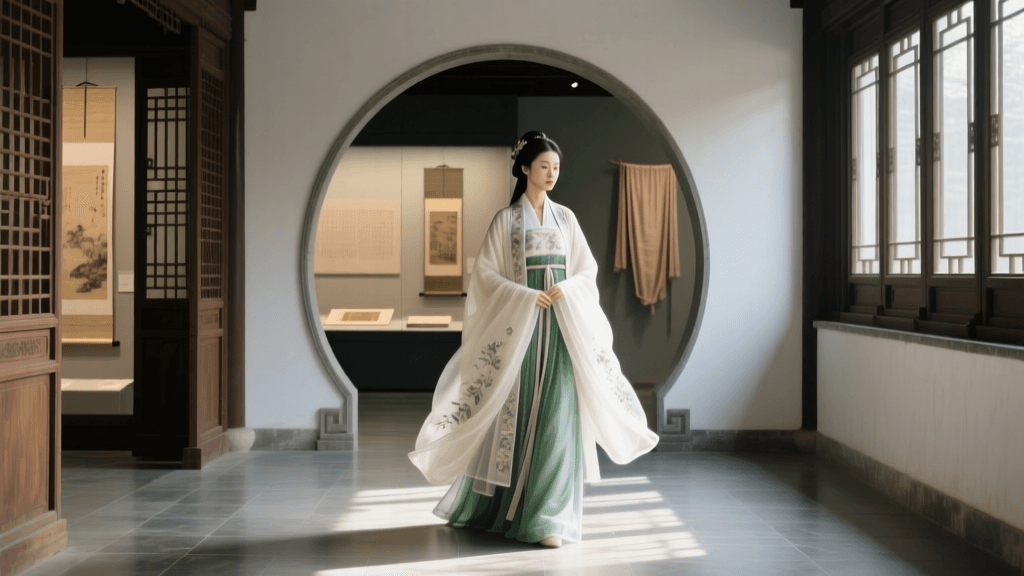
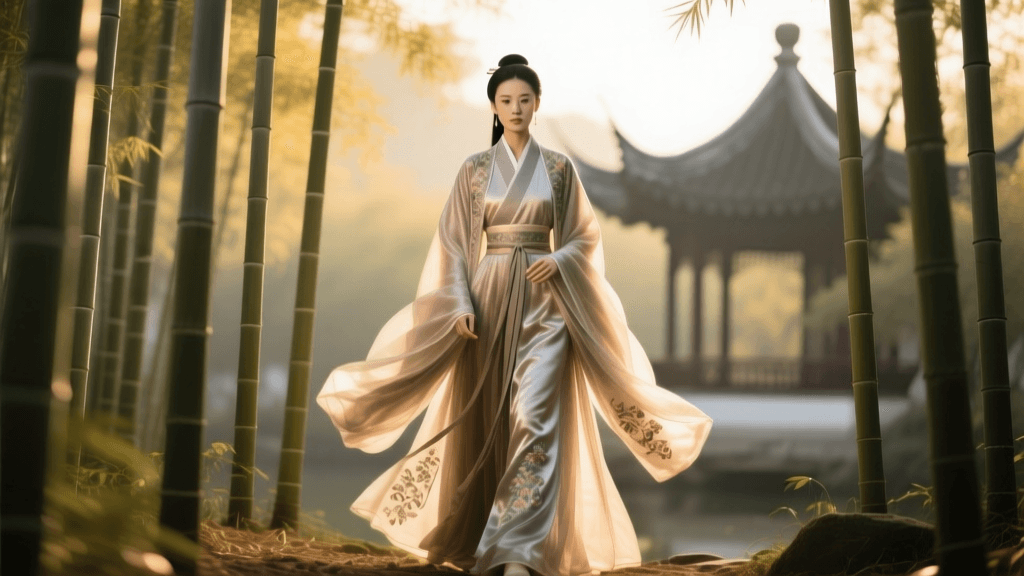
To recreate the breathtaking looks seen in Love Between Fairy and Devil or Eternal Love (Ten Miles of Peach Blossoms), the focal point is the Da Xiu Shan (大袖衫) paired with a Qixiong Ruqun (齐胸襦裙). The goal is to achieve a 'water-like' flow that catches the wind.
- Measurements & Fit: For the screen-accurate 'flight' effect, ensure your Da Xiu Shan has a sleeve width of at least 60cm per arm, with the hem extending 30-50cm past your fingertips. The Qixiong skirt should be high-waisted, sitting just above the bust, with a hemline that grazes the floor (measure from your underarm to the floor, typically 135-145cm).
- Fabric Weight: Opt for 30D or 50D chiffon for the outer robe to ensure it is sheer and catches the breeze. The inner Ru (top) should be made of opaque, high-grade polyester or silk satin to provide contrast.
- Cost & Sourcing: A high-quality, three-piece Xianxia set from premium Taobao brands like Zhong Ling Ji (钟灵记) or Shisan Yu (十三余) typically costs between $80 and $180 USD. Search Taobao using the terms '仙侠汉服' (Xianxia Hanfu) or '大袖衫' (Da Xiu Shan).
The Grounded Wuxia Hero
Shows like The Untamed and Word of Honor popularized a more rugged, layered aesthetic. The quintessential Wuxia garment is the Yuanlingpao (圆领袍), a round-collared robe that historically served as official and military wear, adapted for screen to allow dynamic martial arts choreography.
- Measurements & Fit: Unlike Xianxia, Wuxia robes feature side slits (kaicha) that must start at the hip to allow for wide stances and high kicks. The sleeves should be tapered or feature bound cuffs (Jianxiu) to prevent fabric from catching on props or weapons.
- Layering Strategy: The 'screen-accurate' Wuxia look relies on the rule of three layers. Start with a white cotton inner garment (Zhongyi), add a contrasting middle layer (Banbi or half-sleeve vest), and finish with the outer Yuanlingpao. Secure the waist with a leather belt (Ge Dai) rather than a silk sash.
- Cost & Sourcing: Brands like Chong Hui Han Tang (重回汉唐) offer historically grounded Wuxia styles ranging from $50 to $120 USD. Search for '武侠汉服' (Wuxia Hanfu) or '圆领袍男' (Men's round-collar robe).
Sourcing and Budgeting for Drama-Inspired Hanfu
While international retailers offer curated C-drama collections, the most authentic and cost-effective method is purchasing directly from Chinese e-commerce platforms like Taobao or Tmall. Cultural analysts at RadiiChina note that the direct-to-consumer Hanfu market in China is highly sophisticated, with brands releasing 'drama collaboration' lines simultaneously with a show's airing.
Actionable Buying Tips:
- Use Shopping Agents: Since most Taobao sellers do not ship internationally, use proxy services like Superbuy, Wegobuy, or CSSBuy. They provide warehouse QC photos, allowing you to verify fabric quality and embroidery density before the final international shipment.
- Check the 'Drop Rate': Xianxia skirts often feature heavy embroidered hems. Check the product details for the 'drop weight' (垂坠感). A heavier hem ensures the skirt swings beautifully when you spin, mimicking the CGI-enhanced movements seen on TV.
- Pre-Order Timings: Top-tier Hanfu brands operate on a pre-order model. Expect to wait 30 to 45 days for manufacturing. Plan your purchases well ahead of conventions or themed photoshoots.
Fabric and Layering: The Secret to Screen-Accurate Flow
The magic of C-drama costumes lies in how the fabric reacts to movement and light. Costume departments use industrial fans and specialized lighting to enhance textiles, but you can replicate this in real life by choosing the right materials.
'The illusion of the immortal realm is created not just by the cut of the garment, but by the interplay of opaque and translucent layers. A Xianxia costume without a sheer outer layer is just a historical dress.' — Chinese Costume Design Archives
To achieve this, invest in a Pibo (披帛), a long, sheer silk or chiffon shawl draped over the arms. For Wuxia looks, focus on textured fabrics like slub cotton or raw silk, which absorb light and provide a gritty, realistic texture that reads beautifully on camera and in outdoor photography.
Modernizing the Fantasy: The Xin Zhongshi Approach
Wearing a full, trailing Xianxia gown to a coffee shop is impractical. This is where the Xin Zhongshi (New Chinese Style) movement comes in. As highlighted by the South China Morning Post, modern Chinese youth are masterfully blending traditional elements with contemporary streetwear.
How to adapt C-drama pieces for daily wear:
- The Wuxia Banbi over Denim: Take a structured, embroidered Wuxia Banbi (half-sleeve vest) and layer it over a crisp white turtleneck and tailored denim jeans. Add a modern leather belt to bridge the gap between ancient and modern.
- The Xianxia Skirt as Evening Wear: Swap the traditional chest-high top for a modern silk camisole or a fitted blazer. The heavily embroidered Mamianqun (horse-face skirt) or a pleated Xianxia skirt can serve as a stunning, dramatic alternative to a Western evening gown.
- Accessorize Minimally: C-dramas rely on elaborate hairpins and crowns. For daily Xin Zhongshi styling, opt for a single, minimalist jade or silver hair stick, and keep the makeup modern and dewy rather than the heavy, matte theatrical makeup used on set.
Conclusion
The influence of Chinese film and television on global fashion is undeniable. By understanding the structural differences between Xianxia and Wuxia costuming, mastering the art of fabric layering, and utilizing direct sourcing methods, enthusiasts can accurately recreate the magic of the screen. Whether you are stepping onto a convention floor or integrating a dramatic C-drama silhouette into your daily wardrobe via the Xin Zhongshi movement, the rich tapestry of Chinese traditional garments offers endless avenues for personal expression.