Recreating Iconic C-Drama Hanfu: A Styling and Sourcing Guide
The Screen-to-Street Pipeline: How C-Dramas Shaped Modern Hanfu
Chinese historical dramas, spanning Wuxia (martial arts), Xianxia (immortal fantasy), and palace intrigue, have become a global phenomenon. Beyond captivating storylines, these shows serve as massive visual catalogs for traditional Chinese garments. According to industry observers, the explosion of the modern Hanfu movement is inextricably linked to the popularity of these shows, which have inspired millions of young consumers to explore their sartorial heritage. As noted by BBC News, the Hanfu revival is largely driven by a younger generation seeking cultural identity through the romanticized lens of television and social media.
However, transitioning from a high-budget television set to everyday wear requires practical knowledge. Drama costumes, often referred to as Yingloufu (theatrical clothing), prioritize visual impact and actor mobility over historical accuracy. They frequently utilize hidden zippers, velcro, and modern synthetic blends. For enthusiasts looking to recreate these iconic looks, the goal is to bridge the gap between screen fantasy and wearable authenticity.
Decoding Iconic C-Drama Archetypes for Your Wardrobe
To build a drama-inspired wardrobe, it is essential to understand the three primary archetypes seen on screen and how to adapt them for real-world wear, cosplay, or travel photography.
1. The Wuxia Wanderer (Inspired by The Untamed)
The Wuxia aesthetic is defined by mobility, layered textures, and a touch of rugged elegance. Think of Wei Wuxian’s striking black and red motifs or Lan Wangji’s pristine, flowing white robes.
- Core Garments: A cross-collar jiaoling ruqun (top and skirt) or a round-collar Yuanlingpao robe. For daily wear, opt for narrow sleeves (zhixiu) rather than the massive theatrical sleeves that drag on the ground.
- Styling Details: Cinch the waist with a leather or embroidered fabric belt rather than just tying the sash. Add a huxiu (wrist guard) in dark leather or metal to elevate the martial arts feel.
- Fabric & Cost: Look for cotton-linen blends or textured polyester that resists wrinkling during action shots. A complete, high-quality Wuxia set from a reputable Taobao vendor typically costs between $60 and $110 USD.
2. The Ming Dynasty Courtier (Inspired by Story of Yanxi Palace & Ming Dramas)
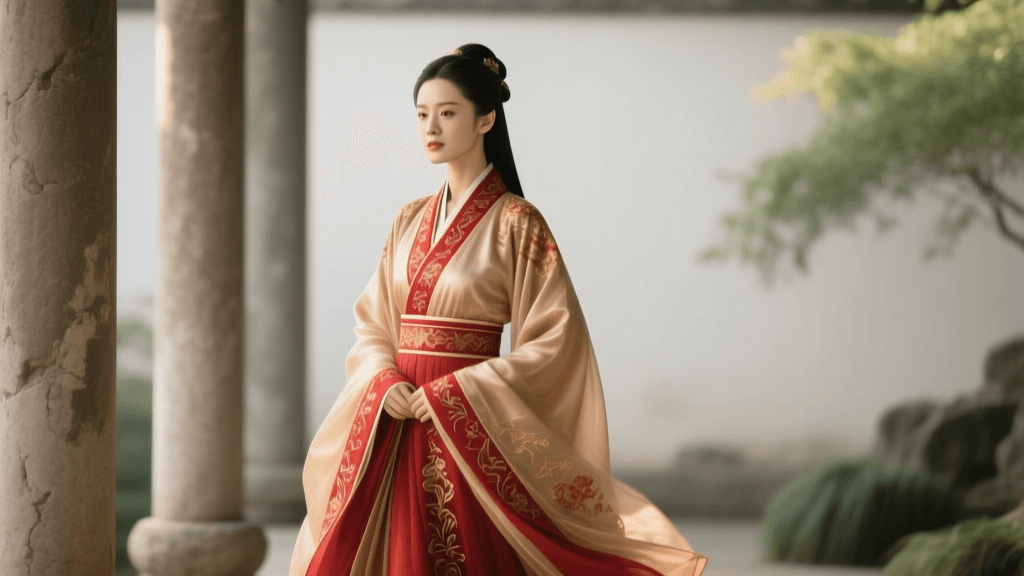
While Qing dynasty clothing (Qizhuang) dominates many palace dramas, there is a massive surge in accurately depicted Ming Dynasty clothing, characterized by dignified silhouettes and intricate weaving techniques.
- Core Garments: The Mamianqun (horse-face skirt) paired with a standing-collar Ao (jacket) or a Pifeng (cloak).
- Styling Details: The Mamianqun is the star here. Ensure the flat front and back panels sit perfectly centered on your body. The side pleats should be crisp, ideally 4cm to 6cm wide. Pair with a delicate pearl or jade Yingluo (necklace) to mimic courtly elegance.
- Fabric & Cost: Seek out jacquard weaves or Zhijin (gold-woven) fabrics for the skirt. Because these garments require significant yardage and complex pleating, expect to pay $80 to $180 USD for an authentic, heavyweight set.
3. The Xianxia Immortal (Inspired by Ashes of Love & Love Between Fairy and Devil)
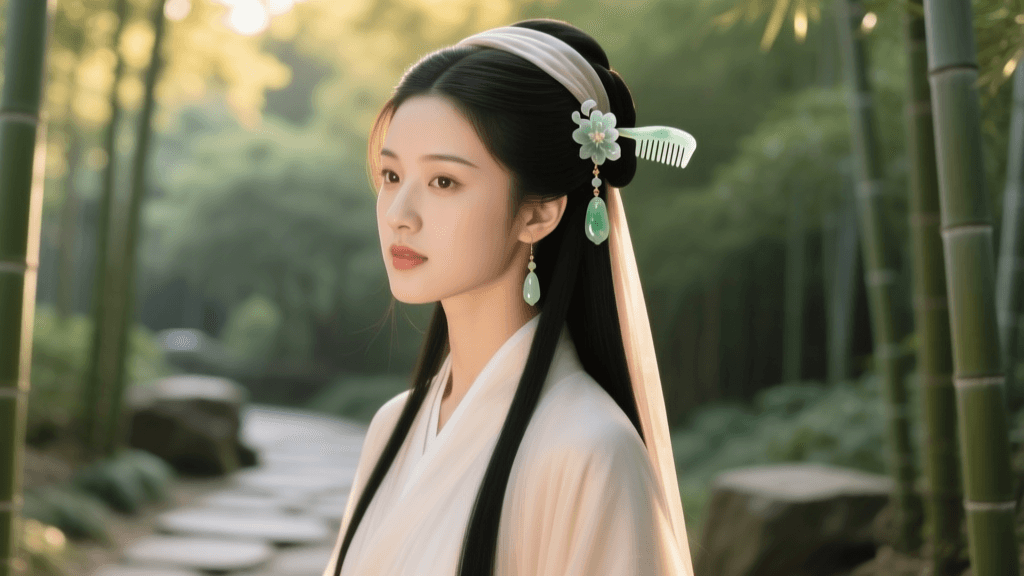
Xianxia dramas rely on ethereal, gravity-defying silhouettes, pastel color palettes, and excessive layering to convey otherworldly beauty.
- Core Garments: The Qixiong ruqun (chest-high skirt) or the Tanling ruqun (U-neck top). Layer with a sheer, floor-length Daxiushan (large-sleeve robe).
- Styling Details: The chest-high skirt is notorious for slipping down. To solve this in real life, use modern anti-slip silicone grips on the inner waistband, or tie the ribbons using a secure double-knot technique under the arms. Add a Pibo (silk shawl) draped across the elbows for that signature floating effect.
- Fabric & Cost: Chiffon, organza, and silk blends are mandatory here to achieve the 'floating' look. A basic three-piece Xianxia set ranges from $45 to $90 USD.
Sourcing Guide: Where to Buy Drama-Inspired Hanfu
Finding the right vendor is crucial. While drama-specific costumes (Yingloufu) are sold as cosplay items, purchasing 'improved Hanfu' (Gailiang Hanfu) or traditional Hanfu from established brands ensures better fabric quality and historical respect. As highlighted by CNN Style, the commercialization of Hanfu has created a booming e-commerce ecosystem catering to both domestic and international buyers.
| Vendor Type | Specialty | Price Range (USD) | Shipping Time | Best For |
|---|---|---|---|---|
| Taobao (Direct via Agent) | Authentic replicas, vast variety, indie brands | $30 - $150 | 14 - 30 days | Advanced buyers, custom sizing, specific drama replicas |
| Newhanfu / Hanfu Time | Curated sets, English support, drama-collabs | $60 - $250 | 7 - 15 days | Beginners, complete outfits, reliable customer service |
| AliExpress / Amazon | Cosplay-grade Yingloufu, fast shipping | $25 - $80 | 5 - 12 days | Halloween, casual cosplay, low-budget events |
Pro-Tip for Sourcing: When searching on Taobao or specialized sites, use the drama's Chinese name plus the word '同款' (same style) or '汉服' (Hanfu). For example, searching '陈情令 汉服' (The Untamed Hanfu) will yield hundreds of inspired, wearable sets rather than cheap, zipper-laden Halloween costumes.
Practical Sizing and Tailoring Tips for Authenticity
Unlike Western fashion, traditional Hanfu does not rely on form-fitting tailoring or standard S/M/L sizing. Instead, it is based on a system of wraps, ties, and generous cuts. According to cultural analyses featured in South China Morning Post, understanding the traditional wrapping techniques is key to achieving the elegant drape seen on screen.
The Golden Rules of Measurement and Wrapping
- Right Over Left (Youren): The left side of the garment must always cross over the right side. The reverse is strictly reserved for funerary garments. Always check your mirror before taking photos.
- Sleeve Length: Drama costumes often feature sleeves that extend 10-15cm past the fingertips. For practical daily wear or travel photography, look for sleeves that end exactly at the wrist bone or mid-hand.
- Skirt Length: A Mamianqun should ideally sit at the natural waist and fall to the ankle bone. If you are 165cm tall, look for a skirt length of 100cm to 105cm. Anything longer will cause you to trip, especially when wearing traditional cloud-toe shoes (Yuntouxie).
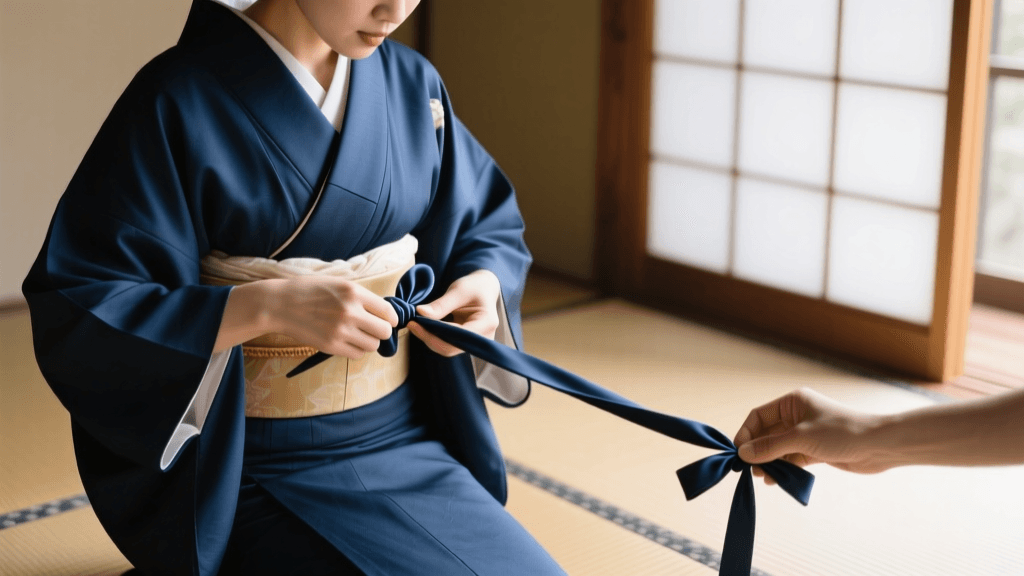
- The Tie System (Xi Dai): Authentic Hanfu uses fabric ties instead of buttons. Ensure the inner ties are secured tightly to hold the garment's structure, while the outer sash is tied decoratively. A well-tied outer sash should feature a symmetrical butterfly or lotus knot.
Fabric Care and Maintenance
Maintaining the pristine, flowing look of C-drama costumes requires specific care, especially for the delicate materials used in Xianxia and Ming-style garments.
- Washing: Never machine-wash jacquard Mamianqun or gold-woven (Zhijin) fabrics. Hand wash in cold water with a pH-neutral detergent. Chiffon and organza can be gently machine-washed in a mesh laundry bag on a delicate cycle.
- Drying: Never wring out Hanfu skirts, as this ruins the permanent pleats of the Mamianqun. Squeeze out excess water gently and hang to dry in the shade. Direct sunlight will fade the vibrant reds and blacks typical of Wuxia aesthetics.
- Pleat Maintenance: To keep drama-perfect pleats, lay the skirt flat on an ironing board, fold it along its original creases, and use a low-heat steam iron. Store the skirt hanging by the waistband with clips, or rolled up to prevent creasing.
Conclusion
Recreating the magic of Chinese historical dramas is more accessible than ever, thanks to the thriving global Hanfu market. By understanding the distinction between theatrical fantasy and wearable tradition, selecting the right archetype for your body type and lifestyle, and sourcing from reputable vendors, you can step into your own historical epic. Whether you are wandering through a bamboo forest for a Wuxia photoshoot or attending a cultural festival in a regal Ming Dynasty silhouette, the screen-to-street pipeline offers endless avenues for sartorial storytelling.