Authentic Hanbok Online Shopping 2026: Top Korean Marketplaces
The Global Rise of Hanbok E-Commerce in 2026
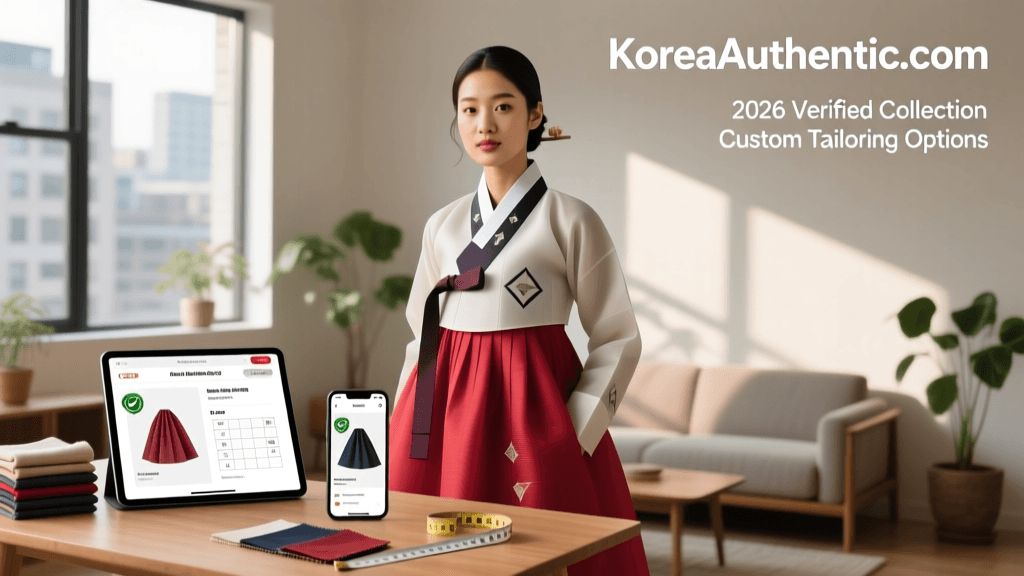
The global fascination with Korean culture has profoundly impacted the international fashion industry, elevating the hanbok from a strictly ceremonial garment to a versatile, highly sought-after staple in contemporary wardrobes. As we navigate the fashion landscape in 2026, the demand for authentic, high-quality hanbok has never been higher. Driven by a renewed global interest in sustainable, artisanal fashion and the enduring influence of Korean media, international buyers are increasingly looking past mass-produced costumes to source genuine Korean craftsmanship. However, the proliferation of fast-fashion knockoffs on global e-commerce sites has made sourcing authentic pieces a challenge. This comprehensive guide explores the most reliable Korean online marketplaces for purchasing authentic hanbok in 2026, providing actionable advice on sizing, fabric verification, and navigating cross-border logistics.
The Evolution of Korean Marketplaces for Global Buyers
In 2026, the digital infrastructure supporting Korean traditional crafts has matured significantly. According to initiatives highlighted by the Korea Craft & Design Foundation (KCDF), there has been a massive, government-backed push to support independent textile artisans in digital spaces. This has resulted in integrated AI translation tools, global shipping aggregators, and virtual fitting rooms directly embedded into domestic Korean platforms. These advancements allow global consumers to bypass middlemen and directly fund traditional weaving techniques like Mosi (ramie) and Myeongju (silk), ensuring that the heritage of Korean dress is preserved through modern commerce.
Top Korean Online Marketplaces for Authentic Hanbok
1. Naver Smart Stores (The Artisan's Hub)
Naver is South Korea's premier search engine, and its Smart Store ecosystem is the backbone of the country's independent fashion designers. For buyers seeking bespoke or small-batch traditional hanbok, this is the ultimate destination. Because many of these storefronts are run by individual artisans or small family-owned ateliers, the level of customization available is unparalleled. To navigate Naver effectively, international buyers should utilize Korean search terms. Searching for "생활 한복" (daily/lifestyle hanbok) will yield modernized, wearable pieces, while "전통 한복" (traditional hanbok) will connect you with masters who create historically accurate, ceremonial garments. Most Smart Stores feature a "Naver TalkTalk" button, allowing you to message the designer directly in English (via built-in translation) to request custom fabric swatches or bespoke measurements.
2. Musinna (Modern Fusion & Streetwear)
For those interested in the "newtro" movement, Musinna remains the undisputed king of Korean fashion e-commerce in 2026. While primarily known for streetwear, Musinna's curated boutiques feature high-end brands that brilliantly blend traditional hanbok silhouettes with modern, durable textiles. Brands hosted on Musinna often utilize structural elements of the hanbok—such as the sweeping lines of the chima (skirt) or the distinctive collar of the jeogori (jacket)—while adapting them for everyday urban wear. Musinna offers a seamless global checkout experience, complete with localized currency conversion and consolidated international shipping, making it the most user-friendly option for buyers new to Korean e-commerce.
3. Gmarket Global (Ceremonial & Family Sets)
When it comes to major life events, Gmarket Global is the most reliable platform for international buyers. Whether you are sourcing a Doljanchi (first birthday) set for a child, matching family hanbok for the Chuseok harvest festival, or elaborate bridal wear for a traditional wedding, Gmarket connects global buyers with established, high-volume traditional retailers. The platform frequently offers international shipping coupons and provides detailed, English-translated size charts that are specifically calibrated for Western body types, bridging the gap between domestic Korean sizing and global expectations.
Verifying Artisan Credentials and Heritage Techniques
When investing in high-end hanbok, verifying the authenticity of the textiles and the artisan's credentials is crucial. Genuine traditional hanbok relies on specific heritage techniques. Look for product descriptions that mention Saekdong (traditional color-striped sleeves) or Geumbak (gold-leaf stamping). Authentic gold-leaf stamping is applied by hand using specialized adhesives and genuine gold leaf, which will feel slightly raised and will not flake off easily. Furthermore, the Encyclopedia Britannica's comprehensive guide to Hanbok notes that the structural integrity of the garment relies heavily on the precise cutting and sewing of the goreum (chest ties) and the dongjeong (white paper collar). Mass-produced items often stitch the dongjeong directly into the collar as a permanent fabric strip, whereas authentic garments use a removable, stiffened white band that can be replaced to maintain a crisp, pristine appearance over time.
Fast-Fashion vs. Authentic Artisan Hanbok: A 2026 Comparison
Understanding the difference between a mass-produced costume and a genuine garment is essential for making an informed purchase. Below is a comparative breakdown of what to expect across different market tiers in 2026.
| Feature | Fast-Fashion / Mass Market | Authentic Artisan / Bespoke |
|---|---|---|
| Primary Fabric | Polyester blends, synthetic satin, thin cotton. | 100% Silk (Myeongju), Ramie (Mosi), natural hemp. |
| Collar (Dongjeong) | Stitched-in white fabric strip; non-removable. | Removable stiffened white band; easily replaced. |
| Skirt (Chima) Waist | Elastic waistbands or standard zippers. | Wide, adjustable cotton tie-bands for custom fit. |
| Seam Finishing | Overlocked (serged) edges; visible synthetic thread. | Hand-finished blind hems; concealed traditional stitching. |
| Price Range (USD) | $30 - $80 | $250 - $1,500+ |
| Longevity | 1-2 seasons; prone to pilling and seam tearing. | Generational; can be passed down as a family heirloom. |
Mastering Measurements and Custom Tailoring
One of the most significant hurdles for international buyers is navigating Korean sizing. Hanbok does not utilize the standard S/M/L or numerical Western sizing systems. Instead, the jeogori (jacket) and chima (skirt) or baji (trousers) are measured and fitted entirely independently. When ordering from a Naver Smart Store or commissioning a bespoke piece, you will need to provide specific measurements to ensure the garment drapes correctly. As historical archives at the National Museum of Korea demonstrate, the hanbok is designed to drape naturally from the chest and shoulders rather than cling to the body, meaning precise upper-body measurements are critical.
Essential Measurements for Custom Hanbok:
- Chest Circumference: Measure around the fullest part of the bust/chest. The jeogori requires adequate ease here to prevent the garment from riding up when the arms are moved.
- Arm Length: Measure from the prominent bone at the base of the neck (nape), over the shoulder, and down to the wrist bone. This ensures the sleeves fall elegantly without exposing the wrists.
- Jeogori Length: Measure from the base of the neck down to your desired hemline. Modern daily hanbok often features a cropped jeogori ending just above the natural waist, while traditional styles may fall slightly lower.
- Chima Length: Measure from your natural waist (where the skirt will sit, typically higher than Western waistlines) down to the ankle bone. The skirt should ideally hover one inch above the floor when wearing traditional flat shoes.
Navigating Fabrics: Ramie, Silk, and Hemp
The choice of fabric dictates not only the price and formality of the hanbok but also its care requirements. Mosi (ramie) is a highly prized summer fabric known for its crisp texture, breathability, and translucent sheen. It is notoriously difficult to weave, and authentic Mosi from the Hansan region commands a premium price. Myeongju (silk) is the standard for formal and ceremonial wear, offering a luxurious drape and vibrant color absorption. For everyday wear, high-quality natural cotton and linen blends have become increasingly popular in 2026, offering the aesthetic of traditional hanbok with easier maintenance.
Shipping, Customs, and Textile Care Instructions
When ordering from domestic Korean platforms, shipping in 2026 is highly efficient. Most artisans utilize EMS (Express Mail Service) or private couriers like DHL and FedEx for international orders, with delivery times to North America and Europe averaging 5 to 8 business days. Be prepared to handle local customs duties, which vary by country; however, many Naver Smart Stores now offer DDP (Delivered Duty Paid) shipping options at checkout, eliminating surprise fees upon arrival.
Once your hanbok arrives, proper care is essential to preserve the natural dyes and delicate weaves. Silk and ramie garments should never be machine washed. Dry cleaning is recommended for heavily structured pieces, but ensure the cleaner has experience with traditional Asian garments to avoid harsh chemicals that can strip natural dyes. For cotton daily hanbok, gentle hand washing in cold water with a pH-neutral detergent is ideal. Always dry your hanbok in the shade; direct UV light will rapidly fade the vibrant, traditional color palettes. When storing, fold the garments along their natural seam lines and wrap them in breathable cotton cloths, avoiding plastic covers which can trap moisture and degrade the natural fibers over time.
Conclusion
Sourcing authentic hanbok online in 2026 is a rewarding endeavor that connects global consumers directly with the living heritage of Korean craftsmanship. By utilizing domestic platforms like Naver Smart Stores, understanding the nuances of traditional construction, and providing precise measurements, international buyers can build a collection of garments that are not only visually stunning but deeply rooted in centuries of Asian tradition. Whether you are investing in a bespoke silk ensemble for a milestone celebration or a modernized ramie set for everyday wear, the digital bridges built by Korean artisans ensure that the elegance of the hanbok is accessible to the world.