Buying Authentic Hanbok Online in 2026: Pinkoi vs Etsy
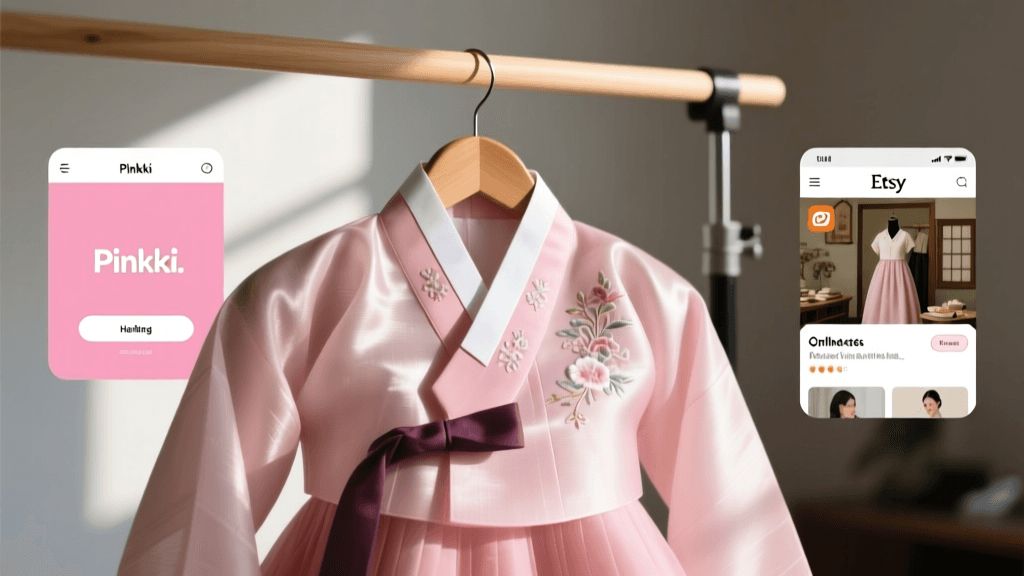
The global fascination with Korean heritage wear has reached unprecedented heights in 2026. Driven by a new wave of historical cinema, global fashion week integrations, and a profound cultural renaissance, the hanbok has transitioned from a purely ceremonial garment to a highly sought-after piece of wearable art. However, as international demand surges, so does the proliferation of mass-produced, synthetic knock-offs. For enthusiasts, collectors, and individuals preparing for milestone celebrations, navigating the online marketplace to find authentic, custom-tailored hanbok requires a strategic approach. In this comprehensive guide, we dissect the two dominant platforms for sourcing traditional Asian garments in 2026: Pinkoi and Etsy. By comparing artisan verification, fabric authenticity, customization processes, and current shipping logistics, we will equip you with the knowledge to invest in genuine Korean sartorial heritage.
The 2026 Landscape of Hanbok E-Commerce
In 2026, the distinction between authentic heritage garments and fast-fashion costumes is more critical than ever. True hanbok construction involves specific structural elements, such as the curved lines of the baerae (sleeves) and the precise placement of the dongjeong (white detachable collar). Mass-market factories often ignore these historical nuances, resulting in stiff, uncomfortable garments that lack the fluid grace of traditional Korean tailoring. To secure authentic pieces, buyers must turn to platforms that host independent artisans and heritage workshops. The two primary contenders for international buyers today are Pinkoi, an Asian-focused design marketplace that has heavily expanded its Korean heritage curation, and Etsy, the global giant of handmade and vintage goods.
Pinkoi vs. Etsy: The Marketplace Showdown
Choosing between Pinkoi and Etsy depends largely on your priorities regarding artisan vetting, communication, and pricing structures. Both platforms offer unique advantages for the 2026 shopper, but they operate under fundamentally different philosophies.
Artisan Verification and Authenticity
Pinkoi operates on a curated application model. Artisans must submit portfolios and business credentials to be accepted onto the platform. This rigorous vetting process aligns closely with the standards promoted by the Korea Craft & Design Foundation, ensuring that sellers possess genuine craftsmanship skills. When you purchase a hanbok on Pinkoi in 2026, you are almost certainly dealing with a recognized studio or an independent designer based in South Korea or Taiwan. Conversely, Etsy operates as an open marketplace. While Etsy's Seller Policy strictly mandates that items must be handmade or designed by the seller, the sheer volume of listings makes it difficult to police factory-resellers masquerading as independent creators. On Etsy, buyers must perform their own due diligence, scrutinizing shop reviews, behind-the-scenes photos, and studio locations to verify authenticity.
Fabric Sourcing: Myeongju, Ramie, and Modern Blends
The soul of a hanbok lies in its textile. Historical garments utilized materials like myeongju (silk) and sambe (hemp), a legacy beautifully documented in The Metropolitan Museum of Art's Asian Art collection. In 2026, authentic makers are blending these historical textiles with modern sustainable practices. Pinkoi sellers frequently offer premium, locally sourced Korean silks and high-grade ramie that breathe well in summer. Etsy sellers offer a wider spectrum, ranging from exquisite hand-dyed silks to more accessible polyester-blend gabardines. If you are seeking museum-quality natural fibers, Pinkoi's curated Korean studios generally offer more transparent supply chains regarding the origin of their silk and natural dyes.
2026 Pricing and Shipping Comparison Table
Understanding the financial and logistical commitments is essential for international buyers. Below is a comparative breakdown of what to expect when ordering a custom, authentic hanbok in 2026.
| Feature | Pinkoi (Korean Studios) | Etsy (Global & Korean Sellers) |
|---|---|---|
| Average Custom Jeogori Price | $180 - $350 USD | $120 - $400 USD |
| Average Custom Chima/Baji Price | $150 - $300 USD | $90 - $250 USD |
| Artisan Vetting | Strict application & portfolio review | Self-reported; buyer must verify |
| Primary Shipping Carriers | EMS, CJ Logistics, FedEx | DHL, USPS, Local Postal Services |
| Average Delivery Time | 7 - 14 days (Express from Asia) | 14 - 30 days (Varies by seller location) |
| Communication Language | English, Korean, Traditional Chinese | English, Korean, various European languages |
Step-by-Step Guide to Ordering a Custom Hanbok Online
Ordering a bespoke garment across borders requires precise communication. Follow this actionable checklist to ensure your 2026 commission fits flawlessly.
- Step 1: Take Accurate Measurements. You will need your bust, natural waist, hip, shoulder width, arm length (from the nape of the neck to the wrist), and desired skirt length. Use a soft measuring tape and wear the undergarments you plan to use with the hanbok.
- Step 2: Choose Your Silhouette. Decide between a traditional historical silhouette (characterized by a high, voluminous chima tied just under the bust) or a modern fusion silhouette (which may feature a lowered waistline and streamlined skirts). Communicate this clearly to the artisan.
- Step 3: Select the Goreum (Ribbons). The goreum is the defining front tie of the jeogori. In 2026, many studios offer customizable goreum lengths and colors. Ensure you specify if you want traditional long goreum or modern shortened versions.
- Step 4: Request Fabric Swatches. If ordering a high-end silk piece, ask the seller to ship physical swatches first. Screen colors vary wildly, and feeling the weight of the myeongju or ramie is crucial for draping expectations.
- Step 5: Factor in Tailoring Time. Authentic hand-finished hanbok requires time. Expect a production window of 4 to 8 weeks before the garment is even shipped. Plan your purchase well in advance of weddings or major ceremonies.
Spotting Mass-Produced Fakes vs. Handmade Heritage
Even on reputable platforms, factory-made costumes can slip through the cracks. To protect your investment, look for the hallmarks of genuine craftsmanship. First, examine the seams. Authentic hanbok utilize specific hand-stitching techniques for the hems and collars that allow the fabric to drape naturally without puckering. Second, check the lining. High-quality makers use breathable silk or high-grade cotton linings, whereas mass-producers use cheap, unbreathable polyester that traps heat. Finally, inspect the norigae (the decorative tassel). Genuine norigae are hand-knotted with intricate macrame techniques, while fake versions are often glued or machine-tied with synthetic threads that fray easily.
Final Verdict for 2026 Shoppers
For buyers prioritizing guaranteed authenticity, transparent artisan credentials, and premium Asian textiles, Pinkoi emerges as the superior choice in 2026. Its curated environment provides peace of mind for those investing in high-end heritage wear. However, Etsy remains a valuable resource for buyers seeking diverse fusion designs, vintage historical pieces, and direct communication with Korean diaspora designers operating in the West. By understanding the strengths of each platform and adhering to strict measurement and verification protocols, you can successfully navigate the digital marketplace and secure a breathtaking, authentic hanbok that honors centuries of Korean artistry.