Authentic Banarasi Silk Sarees Online: 2026 Buyer Guide
The 2026 Digital Shift in Traditional Garment Shopping
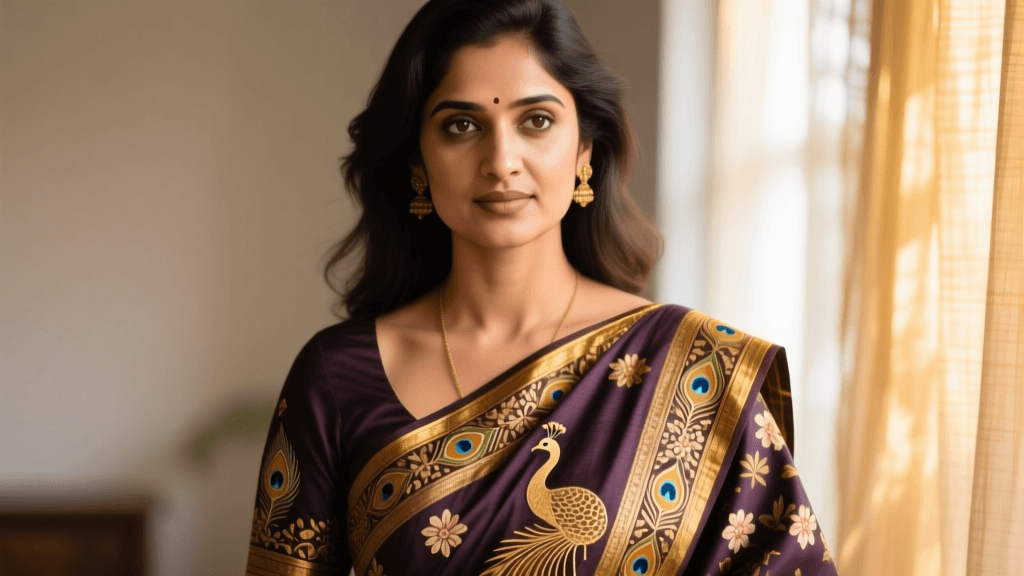
The landscape of purchasing traditional Asian garments has undergone a massive transformation by 2026. While global e-commerce has made it easier than ever to acquire a beautiful sari, hanbok, or cheongsam from the comfort of your home, it has also opened the floodgates for mass-produced, synthetic imitations. Among the most coveted and frequently counterfeited items in South Asian fashion is the Banarasi silk saree. Originating from the ancient city of Varanasi in India, these opulent garments are characterized by their intricate gold and silver zari work, fine silk, and Mughal-inspired motifs. However, navigating the online marketplaces of 2026 requires a discerning eye, an understanding of textile certifications, and a knowledge of the digital platforms that genuinely support artisan weavers.
For international buyers and diaspora communities, the internet is the primary bridge to these heritage textiles. Yet, the proliferation of fast-fashion aggregators has made it increasingly difficult to distinguish between a genuine handloom masterpiece and a factory-made synthetic replica. This comprehensive guide will walk you through the essential steps to verify authenticity, understand current pricing, and identify the most trustworthy online cooperatives and marketplaces for purchasing Banarasi silk sarees in 2026.
Understanding the Four Main Types of Banarasi Sarees
Before adding an item to your digital cart, it is crucial to understand the specific classifications of Banarasi weaves. Sellers in 2026 often use these terms interchangeably to confuse buyers, so knowing the difference is your first line of defense.
- Katan Silk: This is the purest form of Banarasi silk, woven with twisted silk threads. It is the most durable, luxurious, and expensive variant, often reserved for bridal wear.
- Organza (Kora) with Zari and Silk: A sheer, lightweight fabric that features intricate zari embroidery. The base is less dense than Katan, making it ideal for daytime events and warmer climates.
- Banarasi Georgette: A modern adaptation that uses tightly twisted yarns to create a slightly crinkled, flowing texture. It is highly popular for contemporary styling and drapes effortlessly.
- Shattir: This is the most budget-friendly and common variant, often made with a blend of silk and cotton or synthetic fibers. While beautiful, it does not hold the same heritage value or longevity as pure Katan.
The Threat of the Power-Loom in 2026
Despite government regulations and grassroots activism, the threat of power-loom imitations remains the biggest challenge for online shoppers. Power-looms can replicate the visual patterns of a Banarasi saree in a fraction of the time and at a fraction of the cost. In 2026, advanced digital jacquard looms can mimic complex motifs with startling accuracy. However, they lack the soul, the slight organic irregularities, and the tensile strength of a handloom weave. Furthermore, power-loom sarees almost exclusively use synthetic zari (plastic threads coated with metallic paint), which tarnishes and peels within a few years, unlike the enduring metallic yarns used in traditional handloom weaving.
Essential Certifications: Silk Mark and GI Tags
When browsing online boutiques, the presence of verified certifications is non-negotiable. The two most critical markers of authenticity are the Silk Mark and the Geographical Indication (GI) tag.
The Silk Mark
Administered by the Silk Mark Organisation of India, this certification guarantees that the textile is made of 100% pure natural silk. In 2026, the Silk Mark label includes a secure QR code that buyers can scan upon delivery to verify the exact origin and testing batch of the fabric. If an online listing claims pure silk but cannot provide a valid Silk Mark certification number, proceed with extreme caution.
Geographical Indication (GI) Tag
The GI tag protects the heritage of the Banarasi brocade, ensuring that only sarees woven in the designated districts of Varanasi and surrounding areas can legally be sold under the Banarasi name. The framework for protecting these indigenous crafts is heavily supported by international intellectual property standards outlined by the World Intellectual Property Organization. Reputable online sellers will display their GI certification and weaver registration numbers directly on the product page.
Where to Buy: Trusted Online Marketplaces and Cooperatives
To ensure your money goes directly to the artisans preserving this intangible cultural heritage, it is best to bypass generic fast-fashion marketplaces and focus on specialized platforms and weaver cooperatives.
Direct Weaver Cooperatives
Organizations and NGOs that work directly with weaving clusters offer the most transparent shopping experience. Platforms associated with groups like Dastkar frequently host online exhibitions and maintain digital storefronts that connect global buyers directly with artisan families in Varanasi. Buying from these sources guarantees fair wages for the weavers and absolute authenticity for the buyer.
Curated Handloom Boutiques
Several specialized e-commerce platforms have emerged in recent years that focus exclusively on Indian handlooms. These sites employ textile experts who physically visit weaving clusters to curate their collections. They provide exhaustive details about the weaving technique, the weaver's name, and high-resolution macro photography of the zari work. While their prices are higher than generic aggregators, they offer a guaranteed authentic product and ethical sourcing.
Comparison Chart: Handloom vs. Power-Loom Banarasi Sarees
Use this quick reference table to evaluate product listings and pricing when shopping online in 2026.
| Feature | Authentic Handloom Banarasi | Power-Loom Imitation |
|---|---|---|
| Weaving Time | 15 days to 6 months | 1 to 3 days |
| Zari Content | Pure silk core with gold/silver wrap or high-grade tested zari | Synthetic plastic core with metallic paint |
| Reverse Side of Fabric | Textured, visible thread floats and organic irregularities | Neat, uniform, often features a synthetic backing mesh |
| Weight and Drape | Heavy, structured, molds to the body over time | Lightweight, stiff, lacks fluid movement |
| Price Range (2026 USD) | $250 to $2,500+ | $30 to $90 |
How to Inspect a Saree Online: Visual Clues
Since you cannot physically touch the fabric when shopping online, you must rely on visual evidence. A trustworthy seller in 2026 will provide high-definition imagery that allows for digital inspection.
- The Reverse Side Test: Always request or look for a photograph of the reverse side of the pallu (the decorated end of the saree). In a true handloom, the intricate threading will be visible, showing a somewhat messy, textured appearance with loose thread floats. Power-loom fakes will look perfectly uniform or have an artificial netting attached to the back to hold the heavy embroidery.
- Macro Zari Shots: Look for close-up photos of the metallic threads. Pure zari and high-quality tested zari will have a soft, deep luster. Synthetic zari often appears overly shiny, glittery, and reflects light with a harsh, plastic-like glare.
- Selvedge Inspection: The edges (selvedge) of a handloom saree are woven tightly and often feature a distinct, slightly uneven finish. Machine-made sarees have laser-cut or perfectly uniform stitched edges.
2026 Pricing Expectations and Budgeting
Understanding the economics of handloom weaving is vital to recognizing a scam. In 2026, the cost of raw mulberry silk and precious metals used in zari has continued its upward trajectory, compounded by inflation and the push for fair-trade weaver wages. If you encounter a listing for a pure Katan silk Banarasi saree with heavy zari work priced under $150, it is almost certainly a synthetic power-loom product. A genuine, entry-level handloom Banarasi with minimal zari will start around $250, while intricate bridal pieces featuring pure gold zari can easily range from $1,200 to over $3,000. Remember that you are investing in a piece of wearable art that takes weeks or months to create by hand.
Post-Purchase Care and Storage
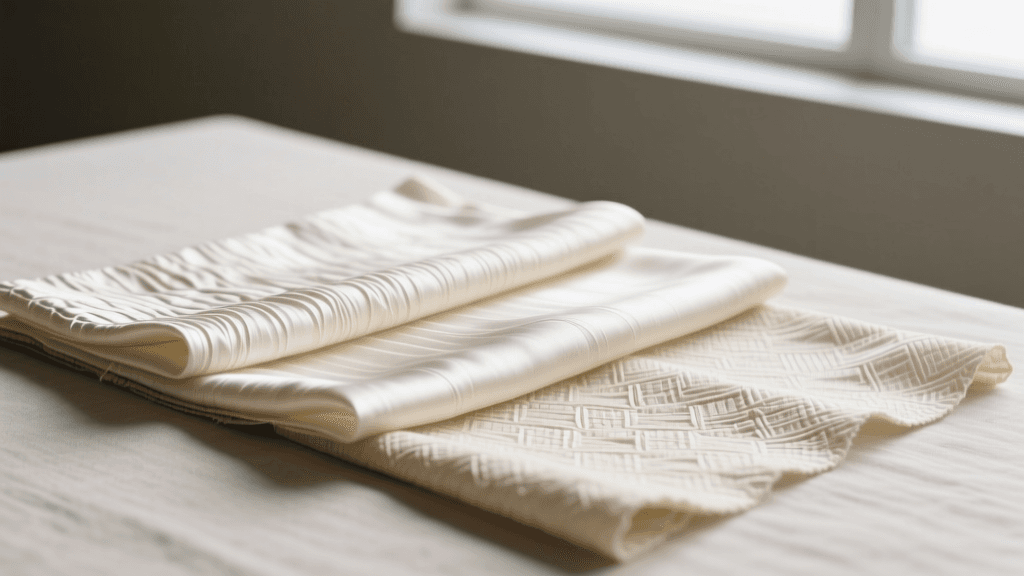
Once your authentic Banarasi silk saree arrives, proper care is essential to ensure it becomes a generational heirloom. Never wash a pure silk Banarasi at home. Always rely on professional dry cleaning, specifically informing the cleaners about the delicate nature of the zari. For storage, avoid wire hangers or plastic covers, which can trap moisture and cause the metallic threads to oxidize and tarnish. Instead, wrap the saree in unbleached muslin cloth or pure cotton, and store it in a cool, dark, and dry environment. Refold the saree every few months to prevent permanent creasing and silk fiber breakage along the fold lines.
Conclusion
Shopping for traditional Asian garments online in 2026 offers unprecedented access to global heritage crafts, but it demands an educated and vigilant approach. By prioritizing certified weaver cooperatives, understanding the visual hallmarks of handloom textiles, and respecting the true cost of artisanal labor, you can confidently build a collection of authentic Banarasi silk sarees. In doing so, you not only acquire a breathtaking garment but also play a vital role in sustaining the ancient weaving traditions of Varanasi for future generations.