2026 Guide to Crafting the 15th-Century Burgundian Hennin & Kirtle
Introduction to 15th-Century Burgundian Court Fashion
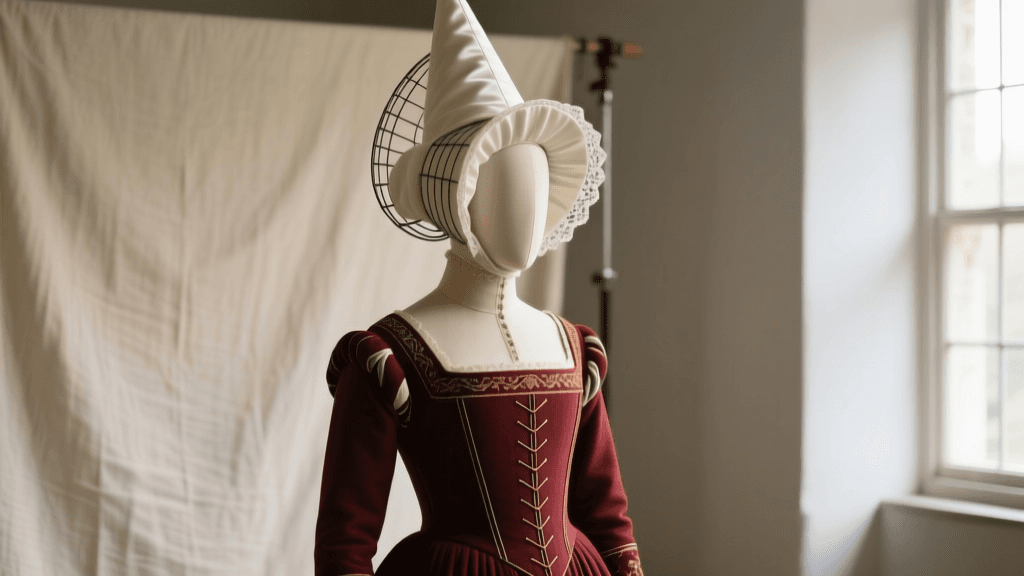
As we navigate the 2026 historical reenactment season, the demand for hyper-accurate medieval garments has never been higher. Among the most iconic and visually striking silhouettes in European folk dress history is the 15th-century Burgundian court fashion. Characterized by elongated torsos, high-waisted gowns, and the legendary steeple hennin, this style dominated Western Europe from the 1430s through the 1480s. For modern makers and historical interpreters, recreating these garments requires a deep understanding of medieval tailoring, structural millinery, and period-accurate textiles. This comprehensive 2026 guide will walk you through the precise construction of the fitted kirtle and the engineering of the steeple hennin, ensuring your wardrobe meets the rigorous standards of today's top-tier historical festivals.
Deconstructing the Fitted Kirtle (Cotehardie Base)
The foundation of the Burgundian noblewoman's wardrobe was the kirtle, a tightly fitted support garment that evolved from the earlier cotehardie. Unlike the loose tunics of the early medieval period, the 15th-century kirtle was tailored to the body, providing bust support and a smooth silhouette beneath the voluminous surcote or houppelande.
Pattern Drafting and Measurements
To achieve the authentic 2026 museum-quality fit, you must draft a multi-panel pattern. A standard kirtle requires a minimum of eight panels (four in the front, four in the back) with gores inserted at the side seams to allow for a sweeping hem without adding bulk to the waist. Begin by taking precise measurements: bust, underbust, natural waist, and the distance from the underarm to the floor. The armscye (armhole) must be cut high and tight into the armpit to allow for full mobility while maintaining tension across the torso. For historical accuracy, avoid modern darts; instead, rely on curved side seams and princess seams to shape the bodice. Hand-finishing the interior seams using a flat-felled stitch or binding them with linen tape remains the gold standard for high-end reenactment gear this year.
Textile Sourcing and Historical Accuracy
Wool broadcloth was the undisputed king of medieval outerwear. According to extensive research on medieval trade and textile production documented by the Victoria and Albert Museum, the finest wools were heavily fulled, sheared, and dyed using organic madder (reds), woad (blues), and weld (yellows). In 2026, heritage textile mills in the UK and Scandinavia are producing historically accurate, naturally dyed wool broadcloths that perfectly mimic the drape and weight of 15th-century fabrics. When purchasing, look for a fabric weight of 12 to 16 ounces per yard to ensure the kirtle provides adequate structural support.
Engineering the Steeple Hennin
No Burgundian ensemble is complete without the hennin—the towering, conical headdress that has become synonymous with the medieval fairy-tale princess. However, historical reality was far more structured and complex than modern pop culture suggests. The hennin was an engineering marvel of the 15th century, requiring a rigid internal frame to support yards of sheer silk veils.
Structural Materials: Buckram and Wire
To construct the cone, you will need heavy millinery buckram and steel millinery wire. Begin by creating a papier-mâché or felt mock-up over a canvas head block to determine the exact angle and base circumference. For a standard noblewoman's hennin, the base circumference should match the wearer's head circumference (typically 22 to 24 inches), while the height should range between 12 and 18 inches. (Note: Extreme court fashions occasionally pushed heights past 30 inches, but this is impractical for most modern outdoor reenactment events due to wind resistance). Cut the buckram into a cone shape, overlap the seam by half an inch, and secure it with heavy linen thread and hide glue or modern flexible fabric adhesive. Reinforce the base and the tip with steel wire, stitching it down using a catch-stitch.
Draping the Silk Veil and the Crespine
The hennin was draped with a sheer silk veil, often layered over a wire mesh or hairnet known as a crespine. The veil was pinned to the tip of the cone and allowed to cascade down the back, sometimes reaching the floor. For the 2026 season, lightweight silk organza or silk chiffon (minimum 54 inches wide and 3 to 4 yards long) provides the necessary ethereal drape while resisting wrinkling better than historical linen gauze. To secure the hennin to the head, attach a velvet brow band to the interior base; this creates friction against the skin and hair, preventing the heavy cone from slipping backward.
2026 Material Sourcing & Cost Comparison
Sourcing authentic materials is critical for passing the strict authenticity checks at premier European and North American historical events. Below is a comparison of recommended 2026 materials for your Burgundian build.
| Garment Component | Historical Material | 2026 Sourcing Recommendation | Est. Cost (USD) |
|---|---|---|---|
| Kirtle Outer Layer | Fulled Wool Broadcloth | Heritage UK Woad-Dyed Wool (14oz) | $65 - $85 / yard |
| Kirtle Lining | Bleached Linen | Medium-weight Irish Linen (5.3oz) | $25 - $35 / yard |
| Hennin Frame | Starched Linen / Pasteboard | Heavy Millinery Buckram & Steel Wire | $30 (full kit) |
| Hennin Veil | Silk Gauze / Cobweb Linen | 100% Silk Organza (54" wide) | $20 - $28 / yard |
| Brow Band | Silk Velvet | Silk/Rayon Velvet Blend (Period Weave) | $45 / yard |
Sumptuary Laws and Color Accuracy
When selecting your color palette, it is vital to understand the sumptuary laws of the 15th century, which strictly regulated who could wear what. As detailed in the socio-economic analyses of medieval dress found on Britannica's Medieval and Renaissance Fashion archives, the Burgundian court under Philip the Good and Charles the Bold enforced rigid dress codes. Deep, saturated colors like crimson, deep madder red, and rich indigo were reserved for the highest nobility due to the exorbitant cost of the dyes. If you are portraying a wealthy merchant or lower gentry, opt for earthy tones: mustard yellows, soft madder oranges, and natural undyed wools. Furthermore, the height of your hennin and the length of your train were directly correlated to your social rank. A towering 24-inch hennin paired with a floor-dragging velvet houppelande is strictly appropriate only for those portraying duchesses or queens.
Footwear and Accessories: Poulaines and Pattens
To ground your ensemble, you must address footwear. The 15th century saw the peak of the poulaine—a leather shoe with an exaggerated, pointed toe. To maintain the shape of the elongated toe, medieval shoemakers stuffed the tips with dried moss or wool. Today, modern cordwainers crafting for the reenactment market use carved foam cores or tightly packed raw wool to achieve the same silhouette without the risk of rot. Because poulaines had thin leather soles and offered zero arch support or protection from the mud, they were almost always worn over wooden pattens when walking outdoors. Pattens are wooden platforms held to the foot by leather straps, elevating the delicate leather shoes above the muck. In 2026, several bespoke historical cobblers offer custom-lasted poulaines and alder-wood pattens, typically ranging from $250 to $400 for the complete set.
Visual Research and Final Fitting
Before cutting into your expensive heritage wools, immerse yourself in primary source visual research. The illuminated manuscripts of the era provide the most accurate depictions of how these garments draped and moved. The Morgan Library & Museum's Medieval and Renaissance Manuscripts collection offers high-resolution digital access to Burgundian illuminations, such as the Hours of Mary of Burgundy. Study the way the artists depicted the deep V-necklines of the surcotes, the precise placement of the hennin veils, and the intricate goldsmith work on the girdles (belts) that cinched the high waists.
During your final fitting, ensure that the kirtle supports the bust without the need for modern undergarments, and that the hennin sits securely at the hairline, completely concealing the hair (as modesty dictated that married noblewomen keep their hair entirely hidden). By combining meticulous historical research with premium 2026 materials, your Burgundian ensemble will not only withstand the scrutiny of master-level authenticity judges but will also transport you and your audience directly into the opulent courts of 15th-century Europe.