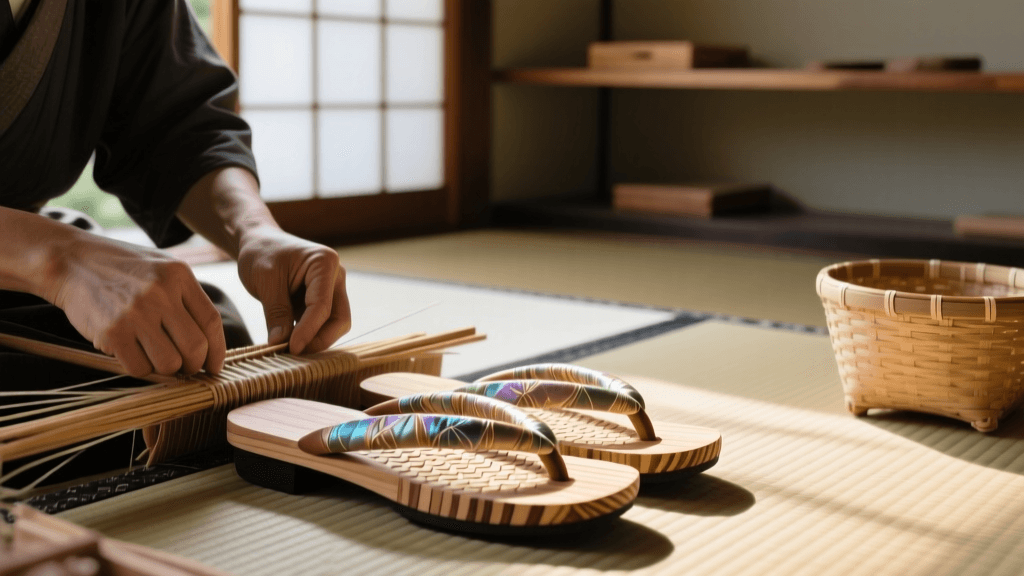
Top Japanese Kimono Workshops And Online Courses 2026
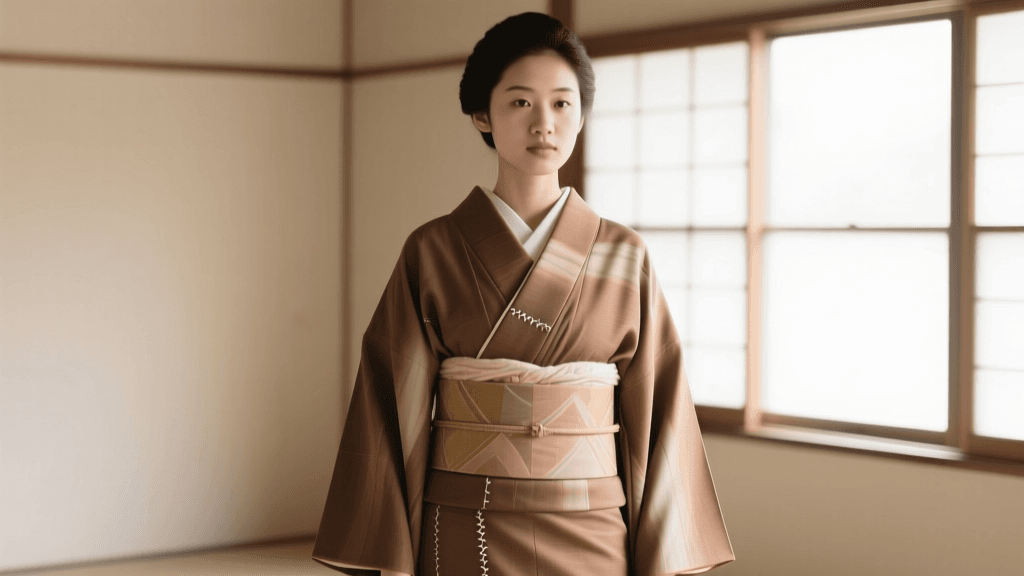
The Renaissance of Traditional Garment Education in 2026
The landscape of traditional Japanese garment education has undergone a remarkable transformation by 2026. As global interest in sustainable fashion, zero-waste pattern making, and heritage textiles reaches an all-time high, Japanese fashion schools and artisanal guilds have expanded their reach far beyond the borders of Kyoto and Tokyo. Today, aspiring designers, textile historians, and fashion enthusiasts can immerse themselves in the meticulous world of kimono tailoring, yukata construction, and traditional dyeing through a hybrid ecosystem of elite in-person workshops and high-fidelity online masterclasses.
Studying the architecture of the kimono—which relies on the precise manipulation of the tanmono (a standard bolt of fabric roughly 36 centimeters wide)—offers profound lessons in spatial awareness and sustainable design. Unlike Western pattern drafting, which often involves cutting curves and discarding offcuts, traditional Japanese tailoring utilizes straight-line cutting and basting stitches that allow the garment to be entirely disassembled, washed, and re-sewn. In 2026, institutions are leveraging advanced digital tools to teach these ancient techniques, making the intricate world of wafuku (Japanese clothing) more accessible than ever before.
Premier In-Person Workshops: Bunka Fashion College & Kyoto Institutes
For those seeking total immersion, Japan remains the undisputed epicenter of traditional garment education. The most prestigious programs in 2026 blend rigorous historical theory with hands-on artisanal practice.
Bunka Fashion College: The 2026 Intensive Cohort
Bunka Fashion College in Tokyo continues to set the gold standard for fashion education globally. In 2026, their highly coveted 'Summer Intensive Kimono Draping & Pattern Making' workshop offers a four-week deep dive into the structural engineering of traditional garments. Students learn to draft patterns for the kosode (the precursor to the modern kimono) and the contemporary haori jacket. The 2026 curriculum has been updated to include modules on integrating smart-textile linings into traditional silhouettes without disrupting the garment's historical drape. Tuition for the four-week intensive is approximately 480,000 JPY, which includes access to the school's vast textile archives and specialized sewing laboratories equipped with both industrial machines and traditional hand-sewing stations.
Kyoto Artisanal Dyeing and Weaving Retreats
While Tokyo excels in pattern drafting and modern integration, Kyoto remains the soul of textile creation. The Kyoto University of the Arts and surrounding artisanal guilds offer specialized two-week retreats focusing on Yuzen (resist dyeing) and Shibori (intricate tie-dyeing). In 2026, these workshops emphasize the use of botanical, locally sourced dyes, aligning traditional practices with modern ecological standards. Participants spend their days in open-air studios along the Kamo River, learning to apply rice-paste resist under the direct mentorship of multi-generational dye masters. These retreats typically cost around 350,000 JPY and culminate in the creation of a fully dyed, custom-fitted yukata.
The Rise of High-Fidelity Online Masterclasses
Not everyone can relocate to Japan for a month-long intensive. Recognizing this, Japanese institutions and independent masters have developed sophisticated online learning platforms that rival the in-person experience. The year 2026 has seen the widespread adoption of 4K multi-angle loom cameras and AI-assisted pattern drafting software in digital classrooms.
Digital Kitsuke and Pattern Drafting Platforms
One of the most significant barriers to studying the kimono internationally is mastering kitsuke (the art of dressing). Online platforms like the 'Kimono Digital Atelier' now utilize augmented reality (AR) overlays via standard webcams to correct a student's draping and tying techniques in real-time. For tailoring students, digital masterclasses provide downloadable, scaled PDF patterns of historical garments from the Edo and Meiji periods. Instructors guide students through the specific hand-stitching techniques required for the kise (the slight fold over the seam allowance that protects the stitches and gives the kimono its soft, three-dimensional edge). Subscriptions to these premium digital ateliers average 18,000 JPY per month, granting unlimited access to live Q&A sessions with Tokyo-based sensei (masters).
2026 Program Comparison: In-Person vs. Online
Choosing between traveling to Japan and studying from your home atelier depends on your learning style, budget, and professional goals. Below is a comprehensive comparison of the 2026 educational pathways.
| Feature | In-Person (Tokyo/Kyoto) | Online Masterclasses |
|---|---|---|
| Average Cost | 350,000 - 480,000 JPY | 18,000 JPY / month |
| Duration | 2 to 4 Weeks (Intensive) | Self-Paced / 6-Month Tracks |
| Hands-on Loom Access | Full access to Jacquard and hand looms | Video demonstrations only |
| Material Kits | Provided (Silk, cotton, resist pastes) | Shipped globally (additional fee) |
| Pattern Software | On-site CAD lab access | Cloud-based AI drafting tools |
| Certification | Physical Diploma / Guild Seal | Digital Certificate of Completion |
Essential 2026 Toolkit for Traditional Tailoring Students
Whether you are attending a workshop in Kyoto or streaming a masterclass from your living room, mastering Japanese garment construction requires a specialized toolkit. The tools of 2026 honor historical designs while incorporating modern ergonomics and precision.
- Juki DDL-9000C with AI Tension Control: While traditional kimonos are entirely hand-sewn, modern students creating fusion garments or yukatas benefit from the 2026 Juki DDL-9000C. Its AI-driven thread tension automatically adjusts when transitioning from delicate silk crêpe (chirimen) to heavier cotton, preventing puckering on straight seams.
- Shaku (Bamboo Ruler): The traditional shaku is roughly 37.9 centimeters long and divided into 10 sun. Understanding this measurement system is non-negotiable for reading historical pattern drafts. Modern versions feature laser-etched markings that will not fade with heavy use.
- Kakehari (Tension Frame) and Hari (Needles): For hand-sewing the shitsuke (basting stitches), a wooden kakehari is clamped to the edge of the sewing table to hold the fabric taut. Paired with ultra-fine, flexible Japanese hari needles, this setup ensures perfectly straight, invisible basting lines.
- Hera (Marking Spatula): Instead of chalk or disappearing ink, traditional tailors use a bamboo or deer-antler hera to crease the fabric along the fold lines. This physical crease acts as a permanent, wash-proof guide for stitching.
Navigating Enrollment, Visas, and Logistics
For international students planning to attend the 2026 in-person summer or winter intensives, understanding Japan's immigration requirements is critical. Most short-term workshops (ranging from one to four weeks) fall under the 'Temporary Visitor' status, which allows citizens of over 70 countries to stay in Japan for up to 90 days without a formal student visa. According to the Ministry of Foreign Affairs of Japan, this visa category perfectly accommodates short-term cultural study and workshops, provided the student is not receiving a salary from a Japanese entity.
However, if you plan to enroll in a full-time, multi-year diploma program at an institution like Bunka Fashion College, you must apply for a 'Student' visa. This requires a Certificate of Eligibility (COE) sponsored by the school, proof of financial stability, and a clear statement of purpose detailing your commitment to preserving and innovating within the realm of Asian traditional garments.
'The future of the kimono does not lie in treating it as a fragile museum artifact, but in teaching its brilliant, zero-waste engineering to the next generation of global designers.' — 2026 Bunka Fashion College Symposium Keynote.
Final Thoughts on Preserving Heritage Through Education
The educational opportunities available in 2026 represent a golden era for traditional Japanese garment studies. By combining the tactile, sensory-rich environment of Kyoto's dyeing studios with the borderless accessibility of high-definition online masterclasses, the ancient techniques of wafuku are being safeguarded for the future. Whether you are meticulously folding a tanmono bolt in a Tokyo classroom or practicing your kitsuke knots via an AR-guided webcam session, you are participating in a vital, living tradition that continues to shape the global fashion landscape.