Top Japanese Traditional Garment Workshops 2026: Online & Campus
The Renaissance of Wafuku: Japanese Fashion Education in 2026
The global fascination with traditional Japanese garments, collectively known as Wafuku, has reached unprecedented heights as we navigate the 2026 academic year. From the intricate silk weaving of Nishijin to the precise, geometric stitching of Sashiko, international students and designers are increasingly seeking authentic education in these heritage crafts. Historically, mastering these techniques required years of apprenticeship in Kyoto or Tokyo. However, the landscape of Japanese fashion education has dramatically evolved. Today, premier institutions have seamlessly blended centuries-old artisanal methods with cutting-edge digital pedagogy, making traditional garment workshops more accessible than ever before.
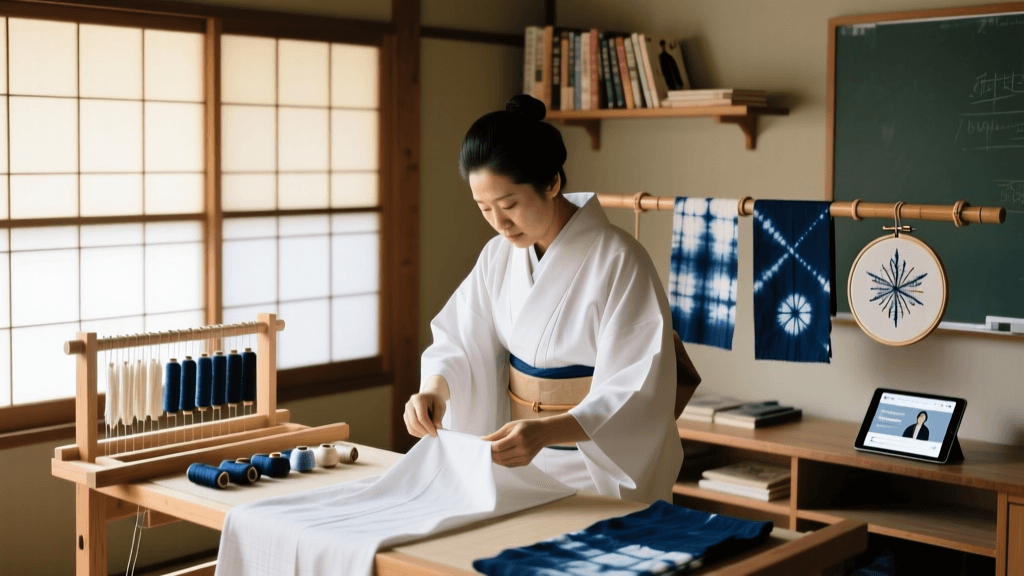
In 2026, the integration of augmented reality (AR) fitting rooms, digital textile mapping, and high-definition multi-angle streaming has revolutionized how international students learn kimono tailoring, yukata construction, and natural dyeing. Whether you are looking to understand the structural differences between summer casual wear like the yukata and jinbei, or you aim to master the complex pattern drafting of a formal furisode, Japanese fashion schools now offer robust hybrid and fully online curriculums. This guide explores the most prestigious workshops, online masterclasses, and essential tools for studying traditional Japanese fashion in 2026.
Premier In-Person and Hybrid Institutions
Bunka Fashion College (Tokyo)
Renowned globally as a vanguard of fashion education, Bunka Fashion College continues to lead the charge in preserving and modernizing Wafuku. For the 2026 academic year, Bunka has expanded its specialized 'Japanese Garment Construction' department. While their flagship campus in Shinjuku offers intensive, in-person apprenticeships focusing on the flat-pattern cutting method unique to kimono, they have also launched a comprehensive hybrid model. International students can now complete their theoretical and basic drafting modules online before arriving in Tokyo for the intensive, hands-on sewing and silk-handling practicums. The 2026 curriculum places a heavy emphasis on sustainable practices, teaching students how to upcycle vintage kimono silk into modern silhouettes without compromising the integrity of the original textile.
Mode Gakuen (Tokyo, Osaka, Nagoya)
Mode Gakuen is famous for its avant-garde approach, and its 2026 traditional craft workshops focus on the intersection of heritage and high fashion. Their 'Neo-Wafuku' workshop challenges students to deconstruct traditional garments like the haori and hakama, reimagining them for contemporary global runways. Mode Gakuen's unique ' Kokusai' (International) short-term summer intensive is highly sought after. Running for six weeks from July to August, this in-person workshop coincides with Japan's vibrant summer festival season, allowing students to study the practical, weather-adapted construction of yukata and jinbei firsthand while participating in local textile sourcing trips.
Kyoto College of Fashion (Kyoto)
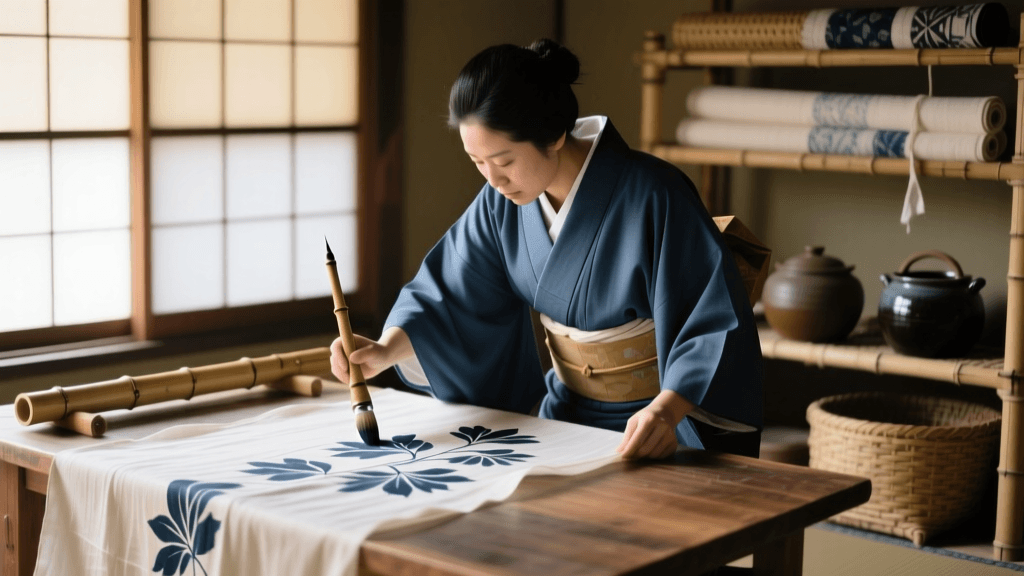
Located in the cultural heart of Japan, this institution is the undisputed authority on traditional dyeing and weaving. Their 2026 Yuzen and Shibori intensive workshops are strictly in-person due to the specialized equipment and hazardous nature of certain natural mordants used in the dye houses. Students spend weeks mastering the resist-dyeing techniques that create the breathtaking, painterly motifs found on formal kimono. The college also offers a highly regarded 'Textile Heritage' online lecture series, which provides the historical and chemical foundations necessary before students can safely handle dyes in a physical studio.
The Rise of Online Masterclasses and Digital Workshops
For those unable to relocate to Japan, the 2026 digital learning ecosystem offers unparalleled access to master artisans. Several specialized platforms and school-affiliated portals have emerged, providing structured, interactive online learning experiences that go far beyond pre-recorded video tutorials.
Interactive Sashiko and Boro Studios
Sashiko, the traditional running stitch used for reinforcement and decoration, has become a global phenomenon. Online workshops hosted by recognized masters in the Tohoku region now utilize multi-camera setups and real-time feedback loops. Students mail their practice swatches to Japan via specialized courier partnerships, and instructors provide detailed, annotated video critiques. The 2026 iteration of these courses includes a digital module on 'Moyouzashi' (free-form pattern stitching) and 'Hitomezashi' (single-stitch grid patterns), complete with downloadable, scalable PDF templates optimized for home printers.
Digital Pattern Drafting for Kimono and Yukata
Understanding the straight-line cutting method of Japanese garments is a paradigm shift for Western-trained designers accustomed to curved, body-contouring patterns. Online modules offered by Japanese cultural foundations now utilize 3D modeling software specifically adapted for Wafuku. Students learn how to calculate the 'Mihaba' (body width) and 'Sode' (sleeve) drop using digital avatars, allowing them to visualize how different silk weights and cotton blends will drape before cutting into expensive fabrics. This digital-first approach has significantly reduced material waste for international students practicing at home.
2026 Workshop and Online Course Comparison Guide
To help you navigate the myriad of options available this year, we have compiled a comprehensive comparison of the top traditional garment programs. This table reflects the most current tuition fees, formats, and focus areas for the 2026 academic calendar.
| Institution / Platform | Primary Technique | Format | Duration | 2026 Estimated Cost (USD) |
|---|---|---|---|---|
| Bunka Fashion College | Kimono Pattern Drafting & Sewing | Hybrid (Online Theory + Tokyo Lab) | 6 Months | $4,500 |
| Mode Gakuen Summer Intensive | Yukata, Jinbei & Neo-Wafuku | In-Person (Tokyo Campus) | 6 Weeks | $3,200 |
| Kyoto College of Fashion | Yuzen & Shibori Resist Dyeing | In-Person (Kyoto Dye House) | 4 Weeks | $2,800 |
| Tohoku Sashiko Digital Guild | Sashiko Stitching & Boro Mending | 100% Online (Live + Mail Critique) | 12 Weeks | $850 |
| Japan Craft Experience Portal | Natural Indigo (Aizome) Dyeing | Online (With Shipped Home Kit) | 8 Weeks | $600 |
Essential 2026 Home Studio Toolkit
Whether you are enrolled in a fully online program or preparing for your arrival at a Tokyo campus, having the correct tools is non-negotiable. Traditional Japanese tailoring requires specific implements that differ vastly from Western dressmaking kits. Here is the essential toolkit recommended by instructors for the 2026 academic year:
- Shaku (Traditional Ruler): While metric rulers are used in modern commercial patterns, understanding the traditional 'Shaku' measurement system (approximately 37.8 cm) is vital for drafting historical garments and reading antique pattern books. A high-quality bamboo Shaku ruler costs around $45.
- Heram (Silk Spatula): This essential tool, typically made from boxwood or bamboo, is used to crease seams and mark fabric without the use of heat or ink. It is crucial for working with delicate silk crepe (chirimen). Expect to pay $25 for an artisan-crafted Heram.
- Sanjaku-joshi (Measuring Ribbon): A traditional silk or cotton measuring ribbon used for taking body measurements and marking fabric widths. Unlike flexible fiberglass tapes, the Sanjaku provides the precise, non-stretch tension required for kimono fitting.
- Sashiko Needles and Thimbles: Sashiko needles are significantly longer and thicker than standard embroidery needles, allowing for the rhythmic loading of multiple stitches. They are paired with a specialized palm thimble (Okimari) rather than a finger thimble. A premium 2026 starter set from a recognized brand like Olympus Thread costs approximately $35.
- Kote (Traditional Iron): Modern steam irons can damage silk and flatten the textured weave of certain traditional fabrics. A temperature-controlled, dry-heat electric Kote is essential for pressing seams open without crushing the textile's body. High-end models tailored for international voltage (100V-240V) retail for about $180.
Navigating Logistics: Kits, Shipping, and Certification
One of the most significant advancements in 2026 is the streamlined logistics for international students enrolled in online workshops. Previously, sourcing authentic Japanese textiles and dyes outside of Japan was prohibitively expensive and logistically complex. Today, institutions like the Japan Craft Experience Portal partner with global logistics firms to ship comprehensive, customs-cleared starter kits directly to students' doors. These kits include pre-cut cotton for practice, authentic indigo vats with safe, stabilized mordants, and specialized threads.
Furthermore, the issue of certification has been standardized. The Japanese Ministry of Economy, Trade and Industry (METI) and associated cultural heritage boards, as highlighted by resources like Kogei Japan, have established digital credentialing for completed online and hybrid workshops. Earning a digital badge in 'Traditional Wafuku Construction' or 'Heritage Shibori Techniques' holds significant weight in the global sustainable fashion industry, proving to employers and clients that your skills are rooted in authentic, culturally respectful methodologies rather than mere aesthetic appropriation.
Choosing the Right Path for Your Fashion Journey
When selecting a program for 2026, consider your ultimate goals. If you aspire to work in high-end costume design for traditional theater or aim to launch a heritage-inspired luxury label, the intensive, in-person hybrid programs at Bunka Fashion College or the Kyoto College of Fashion are unparalleled. The tactile experience of handling 100-year-old Nishijin silk and learning directly from master weavers cannot be fully replicated through a screen.
Conversely, if you are a contemporary designer looking to incorporate sustainable mending techniques, Sashiko, or Boro into your existing brand, the specialized online guilds offer the flexibility and focused curriculum you need. The global fashion industry is increasingly looking toward the Japanese philosophy of 'Mottainai' (a sense of regret concerning waste), and mastering these traditional repair and construction techniques positions you at the forefront of the 2026 sustainable fashion movement. By investing in these educational pathways, you are not merely learning to sew; you are becoming a custodian of a living, breathing cultural heritage.