Top Japanese Traditional Garment Workshops 2026: Online & Campus
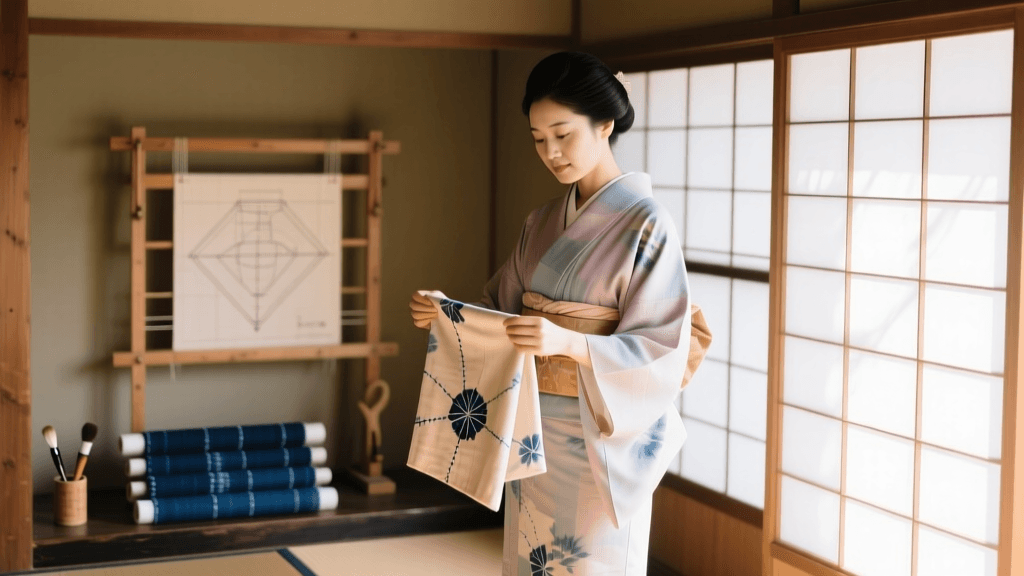
The Renaissance of Traditional Japanese Garment Education in 2026
The global fascination with traditional Japanese garments has reached a remarkable zenith in 2026. From the intricate flat-pattern cutting of the kimono to the mesmerizing resist-dyeing techniques of shibori and yuzen, artisans and fashion designers worldwide are seeking authentic education in these time-honored crafts. Historically, mastering these techniques required years of apprenticeship under a single master in Japan. However, the educational landscape has dramatically evolved. Today, prestigious Japanese fashion schools and traditional craft universities offer hybrid learning models, combining high-fidelity online theory with intensive, in-person campus workshops. This guide explores the premier institutions and programs available in 2026 for those looking to immerse themselves in the art of traditional Japanese garment creation.
Premier Campus Workshops: Immersive Traditional Tailoring
For students who can travel to Japan, in-person workshops remain the gold standard for tactile learning. Handling delicate silks, mastering the tension of a hand-stitched seam, and understanding the drape of a tanmono (bolt fabric) require physical presence and direct mentorship.
Bunka Fashion College: The Kimono Pattern Drafting Intensive
Bunka Fashion College in Tokyo remains the vanguard of Japanese fashion education. While globally renowned for its avant-garde contemporary design programs, Bunka has significantly expanded its traditional garment curriculum for the 2026 academic year. Their specialized four-week summer intensive, titled 'Kimono Construction and Flat-Pattern Drafting,' is designed for international designers who already possess foundational sewing skills. The 2026 curriculum now integrates digital body-scanning technology alongside traditional kujirajaku (whale-ruler) measurements, allowing students to adapt historical kimono proportions for modern, diverse body types. Tuition for this intensive is approximately 380,000 JPY, which includes access to Bunka's extensive textile archive and specialized pressing equipment. Students spend their mornings drafting patterns using the traditional straight-line cutting method and their afternoons executing hand-sewn seams, such as the hon-gusetsu (true gusset) and the intricate collar attachment techniques unique to the kimono.
Kyoto Seika University: Natural Dyeing and Yuzen Masterclasses
Located in the cultural heart of Japan, Kyoto Seika University offers unparalleled access to the masters of Kyoto's textile districts. In 2026, the university's Faculty of Craft Arts hosts a series of weekend masterclasses focused specifically on Yuzen dyeing and natural indigo fermentation. Unlike the fast-paced Tokyo fashion scene, Kyoto Seika emphasizes the slow, meditative process of traditional textile coloring. The 'Kyoto Yuzen Intensive' spans three consecutive weekends, guiding students through the application of itome-nori (resist paste) using specialized brass cones, followed by the meticulous hand-painting of botanical motifs. The 2026 cohort also features a newly introduced module on sustainable natural dyes, addressing the global fashion industry's demand for eco-friendly colorants. The cost is 120,000 JPY, and the university provides all raw silk yardage and artisanal pigments sourced directly from local Kyoto suppliers.
The Rise of High-Fidelity Online Learning for Global Artisans
Not every aspiring artisan can secure a visa or take a month off to relocate to Japan. Recognizing this, top-tier institutions have developed robust online learning ecosystems that maintain the rigor of traditional apprenticeships through advanced digital delivery.
Kyoto University of the Arts: Digital Craftsmanship Extensions
The Kyoto University of the Arts has pioneered the 'Digital Craftsmanship Extension' program, fully updated for 2026. This online platform offers comprehensive courses in shibori (tie-dye), sashiko (decorative reinforcement stitching), and basic kitsuke (garment dressing). What sets this program apart in 2026 is its use of synchronous, multi-angle macro-video streaming. Instructors wear head-mounted cameras to demonstrate the exact finger pressure required for complex shibori binding techniques, such as kanoko (fawn spot) and miura (looped binding). Students receive a physical 'materials box' shipped internationally, containing pre-marked cotton yardage, specialized binding threads, and traditional indigo vats. The asynchronous modules include 3D interactive models of historical garments from the university's museum collection, allowing remote students to deconstruct the layers of a junihitoe (twelve-layer robe) or a formal uchikake (wedding kimono) virtually. The full 12-week online certification costs 180,000 JPY, making it a highly accessible entry point for global designers.
2026 Workshop Comparison: Campus vs. Online vs. Hybrid
Choosing the right learning format depends on your budget, schedule, and specific craft goals. Below is a comparison of the primary educational pathways available in 2026.
| Feature | In-Person Campus (e.g., Bunka) | Online Extension (e.g., Kyoto Arts) | Hybrid Masterclass |
|---|---|---|---|
| Duration | 2 to 6 Weeks | 8 to 16 Weeks | 4 Weeks (2 Online, 2 Campus) |
| Avg. Cost (2026) | 300,000 - 450,000 JPY | 150,000 - 200,000 JPY | 350,000 - 500,000 JPY |
| Primary Focus | Tailoring, Draping, Heavy Machinery | Surface Design, Stitching, Theory | Dyeing, Finishing, Portfolio Dev. |
| Materials Provided | Full access to campus looms and archives | Shipped physical materials box | Partial (Digital + On-site supplies) |
| Visa Requirement | Short-term Stay or Student Visa | None (Remote) | Short-term Stay Visa |
Essential Toolkit: What You Need Before Enrolling
Whether you are attending an in-person workshop in Tokyo or setting up your home studio for an online course, possessing the correct traditional tools is non-negotiable. Western sewing tools often damage delicate Japanese textiles or fail to achieve the precise geometry required for traditional garments. In 2026, most elite workshops expect students to bring the following foundational items:
- Shozaburo Tailoring Shears: Hand-forged in Tokyo, these heavy shears are essential for cutting delicate silk without fraying the edges. In 2026, a standard 240mm pair costs around 38,000 JPY. They are sharpened with a specific bevel that glides through habutai silk effortlessly.
- Takejaku (Bamboo Ruler): Used for measuring and marking fabric. Unlike flexible Western measuring tapes, the rigid bamboo ruler ensures perfectly straight, unwavering lines on bolt fabrics, which is critical for the geometric alignment of kimono panels.
- Hera (Marking Spatula): A small, pointed tool traditionally made of deer horn or polished bamboo. The hera is used to crease fabric to mark seam lines instead of using chalk or washable pens, which can stain or damage antique and high-grade silks.
- Kote (Traditional Iron): While modern steam irons are common in Western tailoring, specialized temperature-controlled kote are used for pressing seams on chirimen (crepe) silks without causing water spots or flattening the textured weave.
- Kujirajaku (Whale Ruler): A measuring stick unique to kimono tailoring. The kujirajaku uses a different scale than the standard metric or shaku systems, and understanding its increments is vital for reading and drafting traditional pattern instructions.
Navigating Visa and Accommodation for 2026 In-Person Retreats
For international students planning to attend the in-person intensives at Bunka or Kyoto Seika, understanding Japan's 2026 immigration policies is crucial. If your chosen workshop is less than 90 days, you can typically enter under a Standard Short-Term Stay Visa (visa waiver for many Western and Asian passports). However, the Japanese government strictly prohibits 'remunerative activities' on this visa, meaning you cannot sell the garments you produce during the course while physically in Japan. For programs exceeding 90 days, such as Bunka's semester-long traditional textile electives, you must apply for a Student Visa, which requires a Certificate of Eligibility (COE) sponsored by the institution. Regarding accommodation, both Bunka and Kyoto Seika have partnered with specialized monthly-mansion providers in 2026, offering fully furnished, short-term leases near campus that include high-speed fiber internet—a necessity for hybrid students who need to upload high-resolution portfolio images to their online cohorts.
Final Thoughts on Mastering the Craft
The integration of traditional Japanese garment techniques into modern fashion education is one of the most exciting developments in the global textile industry. Whether you are manipulating silk in a sunlit Kyoto studio or binding shibori patterns in your home workspace via a live-streamed masterclass, the opportunities to learn from authentic masters have never been more accessible. By carefully selecting the right 2026 workshop, investing in proper traditional tools, and respecting the historical context of these garments, aspiring designers can help preserve and evolve these magnificent Asian traditions for future generations.