Sashiko and Boro in 2026 Global Couture Collaborations
The Renaissance of Japanese Mending in 2026 High Fashion
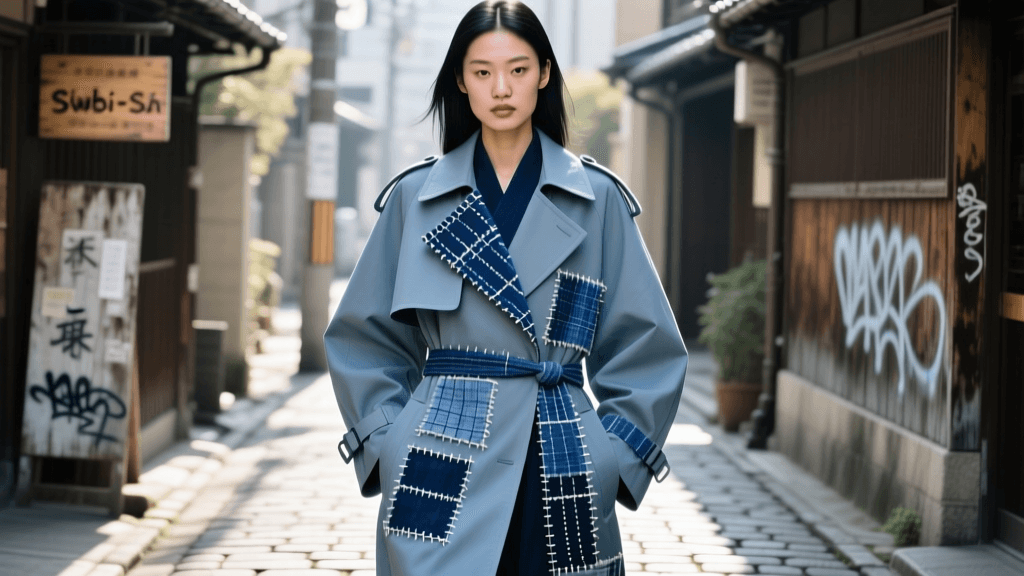
In the ever-evolving landscape of global fashion, the year 2026 marks a definitive turning point where traditional Japanese mending techniques have transcended niche streetwear to become the cornerstone of international haute couture. Once born out of sheer necessity in the rural, snow-heavy regions of Tohoku during the Edo period, Boro (meaning 'rags' or 'tattered cloth') and Sashiko (decorative reinforcement stitching) are now the most sought-after collaborative elements in Western luxury houses. This shift is not merely aesthetic; it represents a profound philosophical alignment with the global sustainability mandates of 2026, where the European Union's new textile waste directives have forced luxury conglomerates to embrace circularity and upcycling.
At The Garment Atlas, we have observed a distinct pivot from superficial cultural appropriation to deep, artisan-led partnerships. Western designers are no longer simply printing Sashiko patterns onto cotton; they are flying master artisans from Kyoto and Aomori to Paris and Milan to co-create garments that marry centuries-old wabi-sabi aesthetics with cutting-edge 2026 textile engineering. This comprehensive guide explores the most impactful Japanese fashion collaborations of 2026, the technical evolution of the stitches, and how collectors can authenticate and care for these investment pieces.
Key 2026 International Collaborations Blending East and West
Kapital x The North Face Summit Series: Technical Boro
The ongoing partnership between Japanese denim purists Kapital and The North Face reached its zenith in the Spring 2026 Summit Series. Moving beyond traditional indigo-dyed cotton, this collaboration introduced 'Technical Boro'—the application of hand-stitched Sashiko over multi-layer Gore-Tex and Dyneema composite fabrics. The artisans utilized ultra-high-molecular-weight polyethylene (UHMWPE) threads instead of traditional cotton, creating a luminous, nearly indestructible running stitch that reinforces the seams of high-altitude mountaineering gear. Retailing at $1,850 USD for the flagship alpine parka, this collection sold out within minutes, proving that functional outdoor gear can simultaneously serve as a canvas for traditional Japanese folk art.
Dior Men x Kyoto Nishijin Weavers: Sashiko Tailoring
For the Dior Men's Autumn/Winter 2026 collection, Creative Director Kim Jones partnered directly with the Nishijin-ori weavers of Kyoto and master Sashiko embroiderers from Okura. The collaboration focused on integrating Moyouzashi (pattern-based Sashiko) into silk organza and fine merino wool evening wear. Instead of the traditional geometric grids used in workwear, the artisans stitched intricate seasonal motifs—such as autumn maple leaves and flowing water—using metallic silver and matte black silk threads. This juxtaposition of rustic mending techniques with the pinnacle of French tailoring resulted in dinner jackets priced upwards of $6,500 USD, redefining modern black-tie attire.
Junya Watanabe x Levi's Vintage Clothing: Archival Denim Mending
Junya Watanabe's 2026 capsule with Levi's Vintage Clothing (LVC) pays homage to the mid-century American workwear that originally inspired Japanese denim revivalists. Watanabe sourced deadstock 1940s and 1950s Levi's 501 jeans that were heavily distressed or torn. Rather than discarding them, he employed a team of Borokaki (Boro artisans) to patch the garments with over 50 different shades of naturally fermented indigo textiles, sourced from vintage Japanese futon covers and farm garments. The resulting 'Frankenstein' denim pieces are entirely one-of-one, with each pair accompanied by a digital passport detailing the exact origin and age of every patch applied.
The Anatomy of the Stitch: Traditional vs. 2026 Applications
Understanding the 2026 collaborations requires a foundational knowledge of Sashiko stitch variations. Western designers are now specifically requesting distinct stitch types to achieve varying structural and visual effects on modern garments.
- Hitomezashi (Single Running Stitch): Characterized by straight, parallel lines that intersect to form geometric patterns like the Kaki-no-hana (persimmon flower). In 2026, this is heavily used in streetwear collaborations for its bold, graphic, and almost pixelated visual impact.
- Moyouzashi (Pattern Stitch): A free-form stitch used to trace curved lines and intricate pictorial motifs. This is the preferred stitch for haute couture collaborations, allowing artisans to render fluid, organic shapes on luxury silks and cashmeres.
- Kugurizashi (Weaving Stitch): A complex technique where the thread is woven through the base fabric and the running stitch simultaneously, creating a raised, textured surface. Often used in 2026 footwear collaborations to add grip and tactile depth to leather uppers.
Material Breakdown: Traditional vs. Modern Textiles
The fusion of heritage craft and modern material science is best understood through a comparative analysis of the textiles utilized in these international partnerships.
| Material Type | Base Fabric | Thread Used | Primary 2026 Application | Retail Price Range |
|---|---|---|---|---|
| Heritage Boro | Hand-loomed Indigo Cotton | Spun Cotton (Z-twist) | Archival Denim, Folk Art Jackets | $800 - $2,500 |
| Technical Boro | Gore-Tex, Dyneema, Cordura | UHMWPE, Kevlar Blends | Alpine Outerwear, Techwear | $1,200 - $3,000 |
| Couture Sashiko | Silk Organza, Cashmere, Merino | Silk Floss, Metallic Yarns | Evening Wear, Haute Couture Tailoring | $4,500 - $8,000+ |
| Footwear Sashiko | Full-Grain Calfskin, Suede | Waxed Linen, Synthetic Sinew | Luxury Sneakers, Bespoke Boots | $900 - $1,800 |
How to Authenticate and Care for Collaborative Boro Pieces
As the demand for Sashiko and Boro collaborations has surged in 2026, so too has the market for machine-embroidered counterfeits. Mass-market manufacturers often use multi-head embroidery machines to mimic the look of Sashiko, but these lack the soul and structural integrity of hand-stitched garments. To authenticate a true collaborative piece, examine the reverse side of the fabric. Hand-stitched Sashiko will show slight, natural irregularities in thread tension and stitch length—a concept known as hizashi. Machine stitching will appear perfectly uniform, and the bobbin thread on the reverse side will look distinctly different from the top thread, whereas true Sashiko uses a single continuous thread.
Caring for these investment pieces requires strict adherence to traditional textile preservation methods, adapted for modern hybrid fabrics:
- Washing: Never use enzymatic detergents or standard alkaline laundry soaps, as they will strip the natural indigo and degrade the silk threads. Use a pH-neutral, lanolin-based wash like Eucalan. Cold soak the garment for no more than 15 minutes.
- Drying: Never wring or twist Boro garments, as the overlapping patches can warp and pull the base fabric. Roll the garment in a clean, dry cotton towel to press out excess water, then lay it flat on a mesh drying rack away from direct sunlight to prevent UV fading.
- Storage: Store heavy Boro jackets on wide, padded wooden hangers to support the weight of the layered patches. For delicate Sashiko silk pieces, fold them with acid-free tissue paper in a breathable cotton garment bag to prevent moisture trapping and mold growth.
The Sustainability Impact of Wabi-Sabi in Global Fashion
The integration of Boro into Western luxury is not just a stylistic choice; it is a direct response to the global fashion industry's reckoning with waste. The philosophy of wabi-sabi—finding beauty in imperfection, impermanence, and the scars of use—stands in stark contrast to the fast-fashion model of planned obsolescence. According to the Metropolitan Museum of Art's Heilbrunn Timeline of Art History, Japanese textiles have long been valued for their ability to be continuously repurposed, passed down through generations as the fabric softens and the indigo fades to a rich, complex patina.
In 2026, this historical precedent is being codified into modern luxury business models. Brands are now offering 'Lifetime Mending Services' for their collaborative Boro pieces, encouraging consumers to return damaged garments to be repaired with new, contrasting patches, thereby adding to the garment's narrative and value over time. The Victoria and Albert Museum's landmark exhibitions on Japanese fashion have heavily influenced contemporary curators and designers alike, highlighting how the kimono's zero-waste, straight-line cutting pattern and its subsequent life as Boro workwear represent the ultimate blueprint for circular fashion.
Furthermore, institutions like the Kyoto Costume Institute continue to provide digital archives that allow modern designers to study the exact patchwork configurations of 19th-century Tohoku farming garments, ensuring that the structural logic of Boro is respected in modern pattern-making. By elevating the 'rag' to the status of high art, the 2026 collaborations challenge the consumer to rethink their relationship with clothing, viewing tears and frays not as signs of ruin, but as opportunities for artistic rebirth.
Conclusion: The Future of Heritage Craft
The 2026 landscape of Japanese fashion in international design collaborations proves that heritage crafts like Sashiko and Boro are not static museum relics, but living, breathing textile languages capable of evolving alongside modern technology. Whether reinforcing a Gore-Tex alpine shell or adorning a Parisian silk dinner jacket, the running stitch remains a powerful symbol of resilience, sustainability, and cross-cultural dialogue. For collectors, historians, and fashion enthusiasts, these collaborative pieces represent the pinnacle of 21st-century garment making—where every stitch tells a story of survival, and every patch is a testament to the enduring beauty of the imperfect.