Master Traditional Japanese Garments: 2026 School Guide
The Renaissance of Traditional Japanese Garment Education in 2026
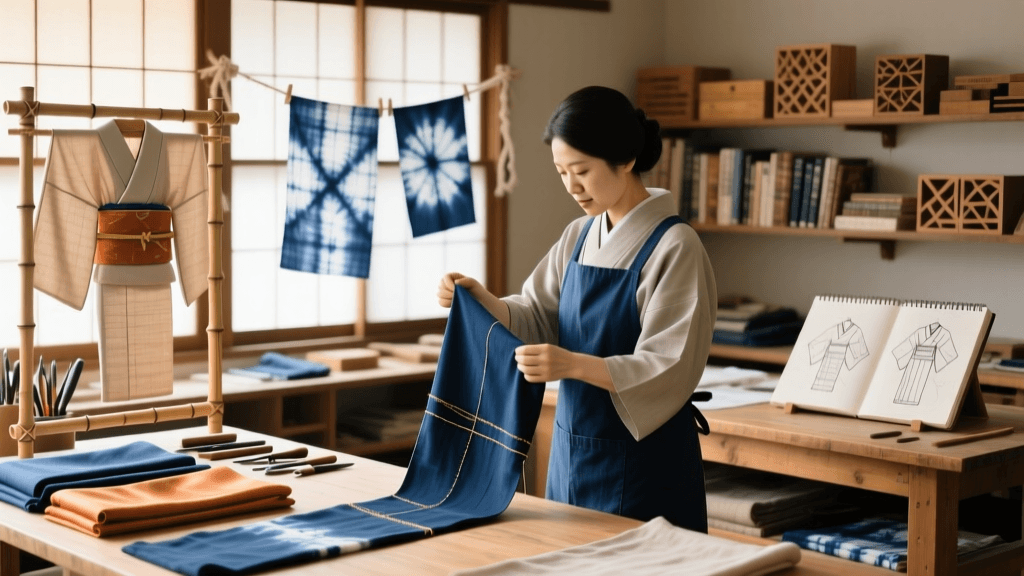
The global fashion landscape in 2026 is experiencing a profound shift toward sustainability, zero-waste design, and slow fashion. At the epicenter of this movement is the renewed interest in traditional Japanese garment construction and textile manipulation. From the geometric precision of kimono pattern drafting to the organic, tactile beauty of shibori dyeing and sashiko stitching, Japanese heritage crafts offer modern designers and enthusiasts a masterclass in mindful creation. For those looking to study these time-honored techniques, Japanese fashion schools and specialized online workshops have adapted their 2026 curricula to accommodate both local students and a global cohort of digital learners.
Why Study Traditional Japanese Fashion Techniques?
At the core of Japanese garment construction is the philosophy of mottainai (a sense of regret concerning waste). Unlike Western tailoring, which relies heavily on curved seams and discards significant fabric scraps, traditional Japanese clothing like the kimono, yukata, and jinbei utilizes chokusen-dachi (straight-line cutting). This method ensures that the entire width of the standard 14-inch tanmono bolt is used, leaving zero waste and allowing the garment to be entirely unstitched, washed, and re-sewn.
Studying these techniques in 2026 is not merely an exercise in historical preservation; it is an investment in the future of sustainable fashion design. Designers who master the shaku (traditional measuring system) and the art of modular garment construction are finding innovative ways to apply these principles to contemporary ready-to-wear collections, reducing textile waste and creating modular, adaptable clothing.
Premier In-Person Workshops at Japanese Fashion Schools
For those seeking immersive, tactile education, Japan's premier fashion institutions offer unparalleled access to master artisans and state-of-the-art traditional looms. In the 2026 academic year, several top-tier schools have expanded their short-term workshop offerings specifically tailored to international students and visiting designers.
Bunka Fashion College: The Epicenter of Technical Mastery
Widely regarded as the most prestigious fashion school in Asia, Bunka Fashion College in Tokyo continues to lead the charge in blending heritage techniques with modern innovation. In 2026, Bunka's Summer Intensive Program features highly sought-after modules such as 'Advanced Kimono Construction' and 'Modern Shibori Applications.' Students in these workshops spend weeks learning the meticulous art of shibori (resist dyeing), exploring sub-techniques like kanoko (fawn-spot binding) and arashi (pole-wrapping). The college's workshops provide access to rare natural indigo vats and traditional yuzen paste-resist materials, guided by instructors who are often designated Living National Treasures or their direct apprentices.
ESMOD Tokyo: Avant-Garde Heritage Integration
While Bunka focuses heavily on technical precision, ESMOD Tokyo approaches traditional Japanese garments through the lens of avant-garde deconstruction and global runway trends. Their 2026 'Heritage & Future' workshop series challenges students to take traditional textiles like boro (mended patchwork) and kasuri (ikat weaving) and integrate them into contemporary silhouettes. ESMOD's workshops are ideal for fashion students who want to understand the drape, weight, and structural integrity of traditional Japanese fabrics when applied to Western-style pattern drafting.
The Rise of Online Learning for Heritage Crafts
If traveling to Tokyo or Kyoto is not feasible in 2026, the digital realm offers remarkably robust alternatives. The pandemic accelerated the digitization of craft education, and by 2026, online platforms have perfected the art of teaching highly tactile skills through macro-photography, 4K video, and synchronized physical kit deliveries.
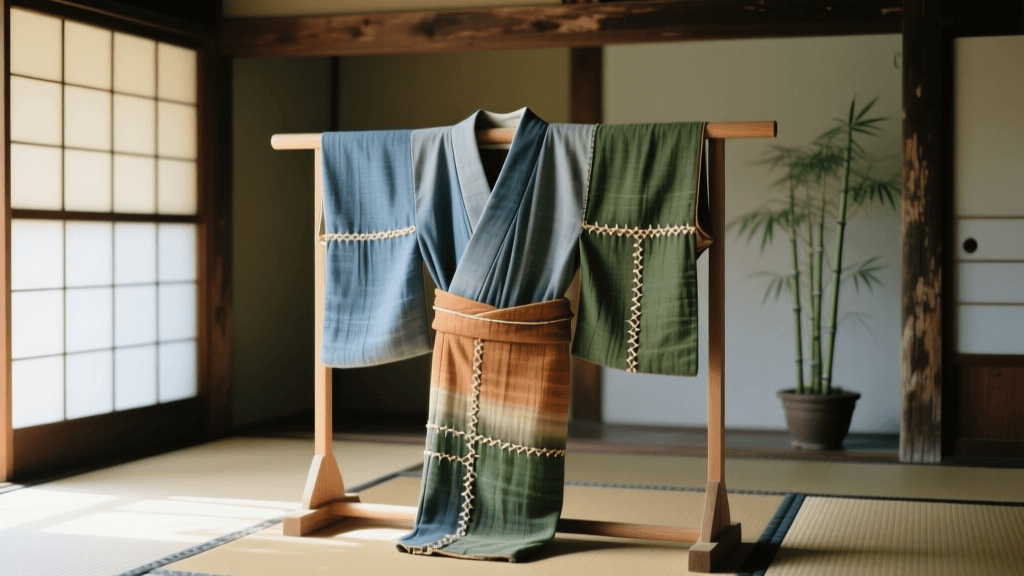
Organizations like the Association for the Promotion of Traditional Craft Industries have partnered with global e-learning platforms to offer certified online courses in regional specialties. For instance, students can now enroll in a six-week virtual masterclass on sashiko (decorative reinforcement stitching) originating from the Tohoku region. These courses ship a physical '2026 Heritage Kit' directly to the student's door, containing pre-marked indigo cotton, authentic sashiko thread, and a traditional yunuki (thimble). Live-streamed sessions allow instructors to critique the student's stitch tension and hitome (stitch length) in real-time.
2026 Course Comparison: In-Person vs. Online Traditional Garment Courses
Choosing between an immersive in-person workshop and a flexible online course depends on your learning style, budget, and design goals. Below is a comparison of the primary options available in 2026.
| Feature | Bunka Fashion College (In-Person) | ESMOD Tokyo (In-Person) | Traditional Crafts Online Masterclass |
|---|---|---|---|
| Primary Focus | Technical kimono construction, pattern drafting, yuzen dyeing | Avant-garde design, boro integration, contemporary draping | Regional textile arts (sashiko, shibori, kasuri weaving) |
| Duration | 4 to 8 weeks (Summer Intensive) | 3 to 6 weeks (Semester Elective/Workshop) | 4 to 12 weeks (Self-paced with live Q&A) |
| Estimated Cost (2026) | ¥350,000 - ¥600,000 (excluding housing) | ¥280,000 - ¥450,000 | ¥80,000 - ¥120,000 (includes materials kit) |
| Best For | Aspiring patternmakers, technical designers, purists | Fashion design students, runway-focused creatives | Global hobbyists, slow-fashion advocates, textile artists |
Essential Tools for Your 2026 Traditional Sewing Kit
Whether you are attending a workshop in Harajuku or learning via an online portal from your home studio, mastering Japanese garment creation requires specialized tools. Western sewing kits are insufficient for the precise demands of traditional Japanese tailoring. Here are the essential tools you must acquire in 2026:
- Shaku (Traditional Ruler): Unlike the metric system, traditional Japanese patterns rely on the shaku (approximately 37.8 cm). A bamboo shaku ruler is essential for authentic pattern drafting and understanding the proportional geometry of the kimono.
- Hera (Marking Spatula): Instead of chalk or fabric pens, Japanese artisans use a hera—a smooth, flat spatula made of bamboo, bone, or agate—to crease the fabric, leaving a temporary, precise mark that disappears after steaming.
- Mekugi and Kuguri-hera: Traditional garments rarely use Western pins. Instead, mekugi (small bamboo pegs) or specialized clipping techniques are used to hold layers of silk or cotton together without damaging the delicate fibers.
- Kote (Traditional Iron): While modern steam irons are common, learning to use a traditional kote or a specialized wooden pressing block (ate-bori) is crucial for manipulating seams on heavy indigo-dyed cottons or delicate silks without causing shine or water spots.
- Chigiri (Handmade Paper): Used in conjunction with rice paste for temporary basting and structural support in collar (eri) construction, replacing modern fusible interfacings.
Application Process and Visa Considerations for 2026
For international students planning to attend in-person workshops at institutions like Bunka or ESMOD, navigating the Japanese immigration system requires foresight. In 2026, the Japanese government continues to streamline the 'Cultural Activities' visa, which is specifically designed for individuals studying traditional arts, including garment construction and textile dyeing, that are unique to Japan.
To apply, students must secure a Certificate of Eligibility (COE) sponsored by the educational institution. It is highly recommended to begin the application process at least six months prior to the workshop start date. Furthermore, many schools now offer dedicated international liaison offices that assist with securing affordable dormitory housing in Tokyo, ensuring that students are fully immersed in the local culture and can easily access the Nippori Fabric Town—a vital resource for sourcing authentic tanmono bolts and vintage textiles.
Conclusion
The study of traditional Japanese garments in 2026 is a vibrant, evolving discipline that bridges the gap between ancestral wisdom and the urgent modern need for sustainable fashion. Whether you choose the rigorous, hands-on environment of a Tokyo fashion school or the accessible, community-driven format of an online masterclass, the skills you acquire will fundamentally alter your relationship with textiles. By mastering the straight-line cut, the indigo vat, and the sashiko stitch, you are not just learning to sew; you are participating in the preservation and evolution of one of the world's most profound sartorial traditions.