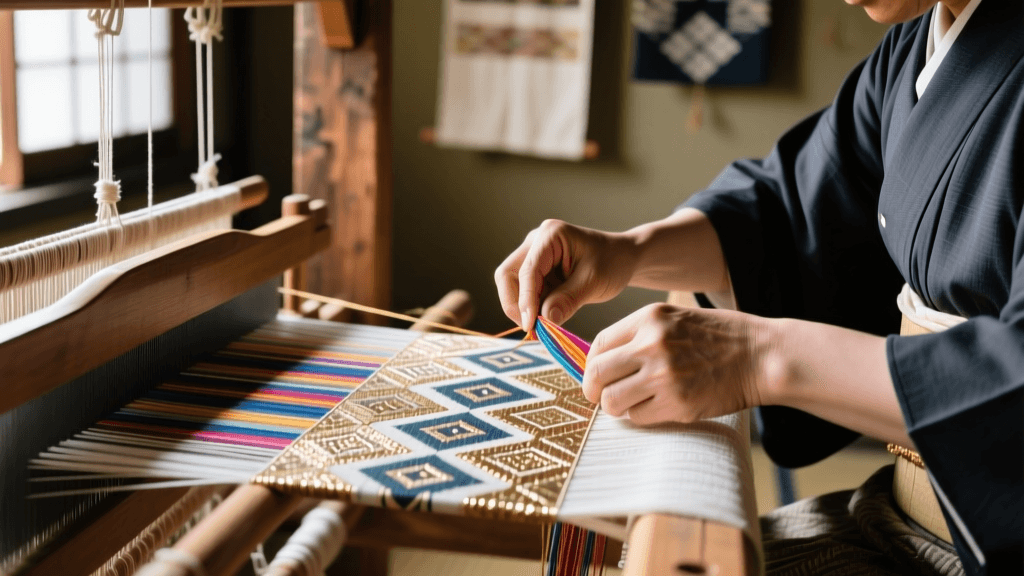
Top Japanese Fashion School Workshops & Online Classes 2026
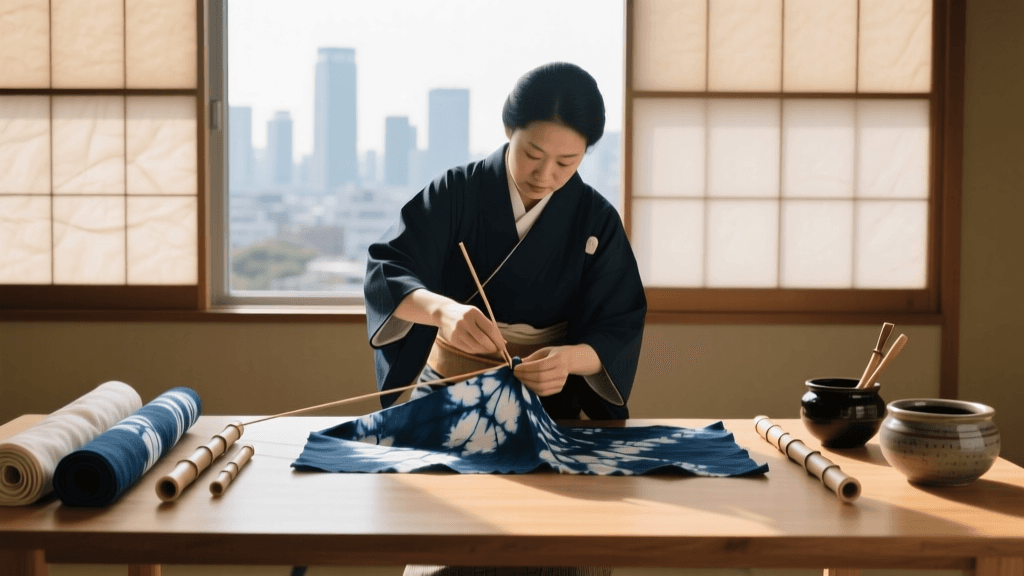
The Renaissance of Traditional Japanese Textiles in 2026
The intersection of ancient Japanese textile arts and modern fashion education has reached a new zenith in 2026. As the global fashion industry pivots aggressively toward sustainable, slow fashion, and circular design, traditional Japanese techniques like shibori (tie-dye), sashiko (functional embroidery), and yuzen (resist dyeing) are no longer just historical artifacts. They are highly sought-after skills in contemporary garment construction. For designers, hobbyists, and cultural preservationists, Japanese fashion schools and specialized online platforms now offer unprecedented access to these centuries-old methods, blending heritage craftsmanship with 2026's digital learning tools.
Whether you are looking to immerse yourself in a Tokyo atelier or master natural indigo vat chemistry from your home studio, the educational landscape this year is robust. According to the Japan National Tourism Organization, international enrollment in traditional craft workshops has surged, driven by a global desire to understand the provenance and sustainable lifecycle of garments. This guide explores the premier in-person and online programs available in 2026, helping you choose the right path for your textile journey.
Premier In-Person Workshops at Prestigious Japanese Fashion Schools
Studying in Japan offers an immersive experience that cannot be replicated through a screen. The tactile nature of handling silk, the precise temperature control of traditional dye vats, and the mentorship of multi-generational artisans make in-person workshops invaluable.
Bunka Fashion College: Intensive Yuzen and Modern Integration
Bunka Fashion College in Tokyo remains the undisputed titan of Japanese fashion education. For the 2026 academic year, Bunka has introduced the 'Heritage Futures' summer intensive, a three-week program focusing on Kyo-yuzen and Edo-yuzen resist dyeing. Students learn the meticulous process of applying rice-paste resist (itome-nori) using specialized metal cones, followed by hand-painting with natural pigments.
- Duration: 3 weeks (Monday to Friday, 9:00 AM - 4:00 PM)
- Tuition: 380,000 JPY (approx. $2,550 USD in 2026), including all silk yardage and natural dyes.
- Best For: Intermediate to advanced fashion students looking to integrate traditional surface design into contemporary runway collections.
Kyoto Seika University: Natural Dyes and Shibori Lab
Located in the cultural heart of Japan, Kyoto Seika University offers a specialized short-term workshop in Arimatsu-Narumi shibori and botanical dyeing. The 2026 curriculum heavily emphasizes eco-friendly mordanting techniques, utilizing locally sourced persimmon tannins and iron-rich Kyoto mud to fix colors without synthetic chemicals. Students work directly with master artisans to learn complex binding techniques like miura shibori (looped binding) and kanoko shibori (fawn-dot binding).
- Duration: 10 days (Intensive weekend and weekday modules)
- Tuition: 250,000 JPY (approx. $1,680 USD), plus a 30,000 JPY materials fee.
- Best For: Textile designers and sustainability advocates focusing on zero-waste and organic dye chemistry.
Best Online Learning Platforms for Japanese Garment Arts
For those unable to travel to Japan, the 2026 digital education landscape offers highly structured, high-definition online courses that bring the atelier to your living room. These platforms have evolved past simple video tutorials, now incorporating AI-driven pattern correction and virtual community critiques.
Domestika: Shibori and Sashiko Masterclasses
Domestika continues to lead the creative online learning space with its meticulously produced courses on Japanese textiles. Their flagship 2026 course, 'Shibori: Create Patterns with Tie-Dye,' taught by contemporary textile artists, breaks down complex folding and clamping techniques (itajime) using accessible, modern tools. Another standout is their 'Sashiko: Traditional Japanese Embroidery' course, which teaches the mathematical precision of running stitches used to reinforce and beautify indigo-dyed cotton.
These courses typically cost between $15 and $25 USD during promotional periods and offer lifetime access, making them the most cost-effective entry point for beginners.
The Kyoto Costume Institute Digital Archives & Webinars
While primarily a research institution, the Kyoto Costume Institute has expanded its digital outreach in 2026. They now host quarterly live webinars and digital symposiums focusing on the historical context of Japanese garments, from the Heian period junihitoe to the evolution of the modern kimono. While not a hands-on crafting course, their digital lectures are essential for fashion historians and designers seeking authentic structural inspiration and accurate historical referencing for their collections.
Comparison Chart: In-Person vs. Online Textile Workshops
| Feature | In-Person (Tokyo/Kyoto) | Online (Global Platforms) |
|---|---|---|
| Average Cost | $1,500 - $3,000+ USD (plus travel) | $15 - $150 USD |
| Instructor Feedback | Immediate, hands-on physical correction | Asynchronous video submissions, AI pattern analysis |
| Material Access | Authentic Japanese silk, traditional indigo vats | Locally sourced alternatives, synthetic indigo kits |
| Time Commitment | 1 to 4 weeks (Full-time immersion) | Self-paced (Typically 5 to 15 hours total) |
| Best Suited For | Professional designers, serious artisans | Hobbyists, beginners, global fashion students |
Essential Tools for Your 2026 Home Studio
If you opt for online learning, setting up a proper home studio is crucial for mastering Japanese textile arts. The tools required are highly specific, and using the correct implements drastically affects the outcome of your work. Here is a curated list of essentials for 2026:
- Tulip Brand Sashiko Needles (Hiroshima): Sashiko requires long, exceptionally sharp needles to pierce multiple layers of heavy cotton simultaneously. A set of four varying lengths costs approximately $12 USD. Do not substitute these with standard Western embroidery needles, which are too short and thick.
- Aizome Natural Indigo Powder (Tokushima): For authentic shibori, natural indigo is paramount. In 2026, a 100g tin of premium, pre-reduced Tokushima indigo costs around $45 USD from specialized online exporters. This is enough to dye up to 10 meters of cotton.
- Standard Tanmono Fabric: Traditional Japanese garments are cut from bolts of fabric called tanmono, which are exactly 38cm (15 inches) wide. When practicing pattern drafting or dyeing, purchasing pre-cut 38cm wide cotton or silk ensures your practice pieces can be accurately translated into traditional garment patterns like the yukata or jinbei.
- Rice Paste Resist (Mochinori): For yuzen dyeing at home, synthetic alternatives are available, but authentic fermented rice paste yields the sharpest lines. It must be stored in a cool environment and used within days of mixing.
- Acrylic Clamping Boards (Itajime): While traditional wood blocks are beautiful, laser-cut acrylic geometric shapes have become the 2026 standard for beginners practicing clamp-resist shibori, offering perfect transparency to monitor dye penetration.
Career Applications and the Future of Japanese Textiles
Mastering these techniques in 2026 offers more than just personal enrichment; it provides a distinct competitive edge in the fashion industry. Luxury houses and sustainable indie brands are actively seeking designers who understand the zero-waste geometry of traditional Japanese pattern cutting and the chemical-free preservation methods of natural dyeing. By combining the historical knowledge gained from institutions like the Kyoto Costume Institute with the practical, hands-on skills from Bunka or online masterclasses, today's students are tomorrow's leaders in sustainable, culturally rich fashion design.
Whether you are binding fabric with thread in a Kyoto workshop or stitching sashiko patterns in your home studio, the dedication to preserving and evolving these Asian traditions ensures they will continue to influence global runways for generations to come.