Japanese Fashion Schools & Online Kimono Workshops 2026
The 2026 Renaissance of Traditional Japanese Garment Education
The landscape of traditional Japanese garment education has undergone a remarkable transformation by 2026. As global runways increasingly incorporate elements of wafuku (traditional Japanese clothing) and sustainable fashion movements champion the longevity of kimono, yukata, and jinbei, the demand for authentic, high-quality instruction has skyrocketed. Whether you are an aspiring couturier looking to study in Tokyo or a hobbyist seeking to master wasai (traditional kimono tailoring) from your living room, Japanese fashion schools and online workshops offer unprecedented access to centuries-old techniques. In 2026, institutions are seamlessly blending heritage craftsmanship with modern digital tools, creating a golden era for textile education that honors the past while designing for the future.
Premier In-Person Japanese Fashion Schools
Bunka Fashion College (Tokyo)
Bunka Fashion College remains the undisputed vanguard of Japanese fashion education. In 2026, their curriculum has expanded to include specialized electives in traditional garment construction, responding to the global appetite for heritage craftsmanship. Students enrolled in the Fashion Crafts Department now have access to hybrid modules that teach the meticulous art of wasai alongside 3D digital draping software. According to the Bunka Fashion College official portal, the 2026 academic year introduces a dedicated 'Wafuku Innovation Lab,' where students deconstruct vintage Meiji and Taisho-era garments to understand historical seam allowances and the straight-line cutting method that defines Japanese tailoring. Tuition for the advanced diploma program hovers around ¥1,250,000 per year, a worthwhile investment for those aiming to launch heritage-inspired luxury labels or work in theatrical costume design.
Kyoto University of Art and Design
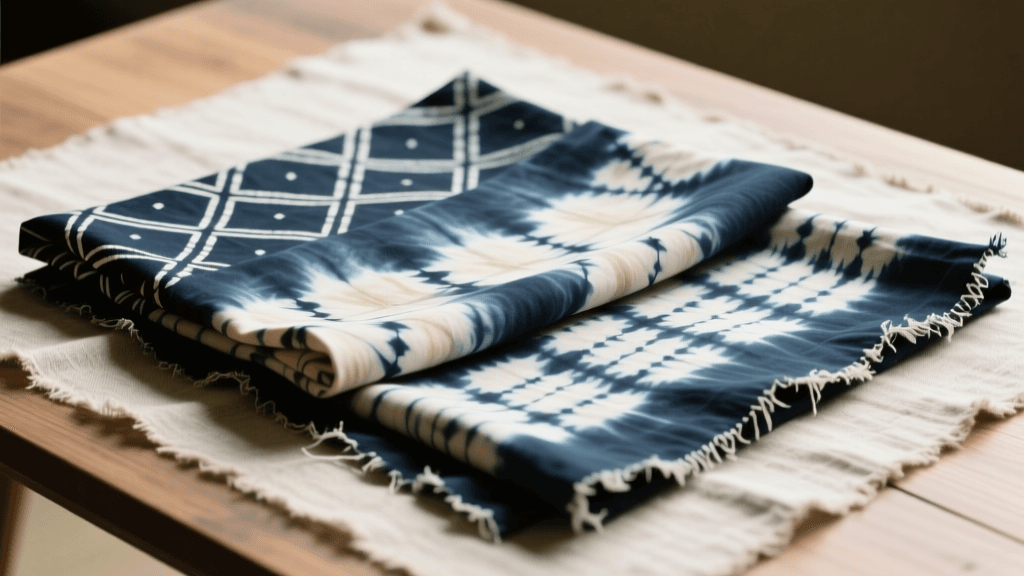
Located in the cultural heart of Japan, this institution offers unparalleled access to the Nishijin weaving district. Their 2026 textile arts program focuses heavily on the intersection of traditional loom weaving and natural dyeing techniques like aizome (indigo) and shibori. Students spend their semesters working directly with master artisans, learning how to manipulate silk and hemp fibers before they even reach the cutting table. The university's emphasis on materiality ensures that graduates understand the drape, weight, and seasonal appropriateness of traditional textiles—a crucial skill when designing modern interpretations of the kimono or summer casual wear like the jinbei.
Top Online Workshops for Global Learners
Japan Foundation Virtual Craft Series
For international students unable to relocate to Japan, the Japan Foundation has revolutionized remote learning with its 2026 Virtual Craft Series. These live-streamed, interactive workshops connect global learners with certified kitsuke (kimono dressing) instructors and master tailors. Utilizing advanced multi-camera setups and real-time AI translation, the foundation eliminates the language barrier that historically hindered international students. The 2026 spring cohort features a highly sought-after six-week intensive on Yuzen resist dyeing, where students receive a curated physical kit of dyes, stencils, and silk swatches shipped globally before the first virtual session.
Bunka Gakuen Digital Extension Courses
Bunka Gakuen University has also expanded its digital footprint. Their asynchronous online modules are perfect for working professionals. The 'Fundamentals of Japanese Pattern Making' course breaks down the geometric brilliance of the kimono, teaching students how to draft patterns using the traditional shaku measurement system and convert them to modern metric standards. The 2026 syllabus includes downloadable AR (Augmented Reality) markers, allowing students to visualize the drape of their digital patterns on virtual mannequins before cutting expensive silk.
Core Techniques Taught in 2026 Curriculums
- Wasai (Traditional Tailoring): Unlike Western tailoring which relies on curved seams to fit the body's contours, wasai uses straight lines and rectangular panels. Students learn the hika (ease) system and how to fold excess fabric into the hem and side seams, allowing the garment to be entirely disassembled, cleaned, and re-sewn.
- Sashiko and Boro: Once a necessity for rural farmers to mend workwear, these running-stitch embroidery techniques are now celebrated in high fashion. 2026 workshops emphasize the mathematical precision of geometric Sashiko patterns and the ethical, sustainable philosophy of Boro mending.
- Kumihimo Braiding: The art of Japanese silk braiding, essential for creating obijime (the cords used to secure an obi). Students learn to use the traditional marudai (braiding stool) to create complex, multi-strand tubular cords.
- Katazome (Stencil Dyeing): Using hand-cut washi paper stencils and rice paste resist, students learn to create repeating patterns on yardage, a technique vital for producing authentic yukata fabrics.
Comparison Chart: In-Person vs. Online Programs
| Program Type | Institution / Platform | Duration | 2026 Est. Cost | Best For |
|---|---|---|---|---|
| In-Person Diploma | Bunka Fashion College | 2 Years | ¥2,500,000 | Aspiring Couturiers & Designers |
| In-Person Textile Arts | Kyoto Univ. of Art | 4 Years | ¥4,200,000 | Material Specialists & Weavers |
| Virtual Live Workshop | Japan Foundation | 6 Weeks | $250 USD | Global Hobbyists & Dye Artists |
| Asynchronous Online | Bunka Gakuen Digital | 12 Weeks | $400 USD | Working Professionals & Patternmakers |
Essential Toolkit for Online Kimono Tailoring Students
To succeed in a 2026 virtual wasai workshop, you must assemble a proper toolkit. Western sewing supplies often fall short when working with delicate Japanese silks like chirimen (crepe) or tsumugi (pongee). Here is what you need to acquire before your first class:
- Shaku (Traditional Ruler): While modern courses teach metric conversions, understanding the traditional shaku (approx. 37.9 cm) is vital for reading historical pattern drafts and antique kimono.
- Hera (Spatula): A bamboo or bone spatula used for creasing fabric and marking seams without leaving ink or chalk residue on delicate silk.
- Kote (Traditional Iron): Unlike heavy steam irons, the kote is a small, specialized tool used for pressing narrow seams and opening the kise (the folded edge that hides the stitching).
- Shitsuke-ito (Basting Thread): A weak, easily breakable cotton thread used for temporary basting. It is designed to snap rather than tear the silk fabric if pulled too tightly.
- Yubinuki (Thimble): A traditional Japanese thimble worn like a ring on the middle finger, used to push the needle through thick layers of silk and batting with the side of the hand rather than the fingertip.
How to Apply and Prepare for 2026 Intakes
Securing a spot in a prestigious Tokyo or Kyoto fashion program requires strategic planning. For in-person study, international applicants must navigate the Japanese student visa process, which in 2026 requires proof of financial stability and a clear statement of purpose detailing your commitment to preserving traditional arts. Portfolios should not only showcase modern design skills but also demonstrate an appreciation for textile history. The Kyoto Costume Institute digital archives are an excellent resource for applicants to study historical garment construction and reference in their portfolio essays.
For online workshops, ensure your home studio is equipped with a large, flat cutting surface—at least 1.5 meters by 2 meters—as kimono panels require significant workspace to lay out and mark accurately. Furthermore, investing in a high-quality overhead camera mount is highly recommended for 2026 virtual classes, as instructors frequently need to see your stitching tension and hand placement from a top-down perspective to provide accurate feedback. By embracing both the ancient wisdom of Japanese artisans and the cutting-edge educational technology of 2026, students worldwide can master the art of traditional Asian garments and carry these vital cultural traditions into the future of global fashion.