Kimono Travel Essentials 2026: What to Pack & Where to Wear
The Shift to Personal Garments in 2026
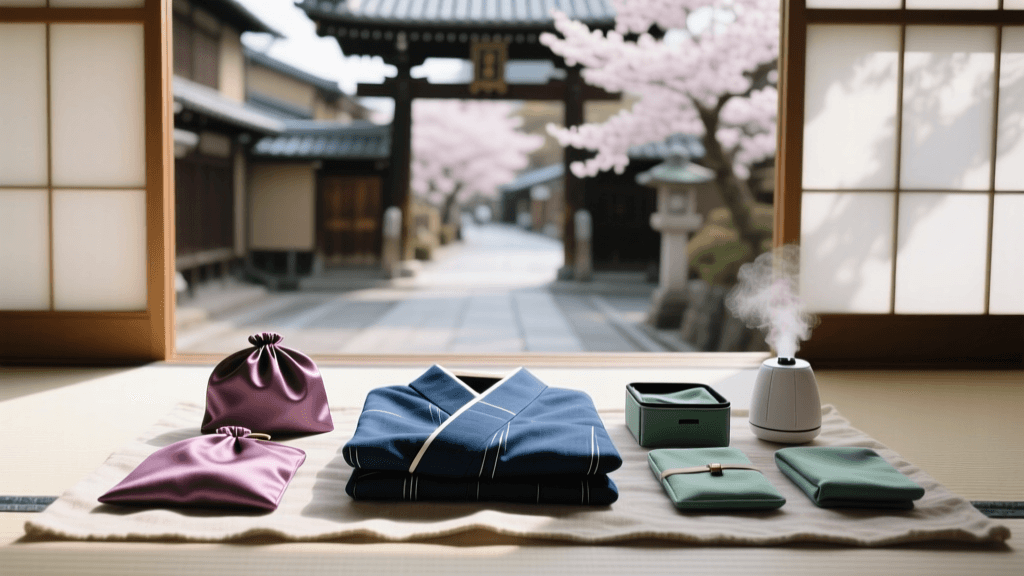
As global travel continues to evolve in 2026, the way visitors experience Japan’s traditional culture has shifted dramatically. While kimono rental shops remain popular in major tourist hubs, a growing movement of culturally conscious travelers is opting to bring their own garments. This 'slow travel' approach allows for deeper engagement with the art of kitsuke (the art of dressing in a kimono), ensures a perfect personalized fit, and avoids the crowded, rushed environments of rental boutiques.
Bringing your own kimono, yukata, or hakama requires strategic packing. Traditional kitsuke involves numerous small accessories that can easily consume half a suitcase if not chosen carefully. Fortunately, the market for travel-friendly, modern kimono accessories has expanded significantly by 2026, offering lightweight, space-saving alternatives to bulky traditional tools. Whether you are packing a lightweight cotton yukata for the humid summer festivals or a vintage silk komon for autumn temple visits, this comprehensive guide will help you curate the ultimate kimono travel kit and identify the most breathtaking locations to wear them.
Why Bring Your Own Kimono?
The economics and aesthetics of bringing your own garment heavily favor the prepared traveler. In 2026, a standard daily kimono rental in Kyoto or Tokyo averages between 7,000 and 12,000 JPY, with premium silk or intricate hair styling pushing the cost much higher. If you plan to wear traditional attire more than twice during a two-week trip, the cost of purchasing a high-quality vintage kimono from a Tokyo thrift store (often under 5,000 JPY) or investing in a custom washable cotton yukata pays for itself immediately.
Furthermore, owning your garment means you control the narrative. You can select patterns that hold personal meaning, ensure the sleeve lengths (sode) are perfectly matched to your height, and avoid the synthetic, mass-produced polyester fabrics that dominate the lower-tier rental market. You also gain the freedom to dress at your own pace in your hotel room, stepping out into the morning light before the major tourist crowds arrive.
The Ultimate 2026 Kimono Travel Packing List
To successfully dress yourself on the road, you must pack both the primary garments and the underlying structural accessories. Below is a comparison of traditional items versus their modern, travel-optimized counterparts available in 2026.
| Item Category | Traditional Version | 2026 Travel Upgrade | Space Saved |
|---|---|---|---|
| Waist Ties (Koshihimo) | Long cotton or silk strips | Elastic silicone bands with hooks | 70% less bulk |
| Under-Belt (Datejime) | Thick cotton padded belts | Breathable mesh velcro belts | Rolls flat |
| Obi Pillow (Obi-makura) | Solid cotton bolster | Inflatable silicone cushion | Deflates to pocket size |
| Obi Board (Obi-ita) | Rigid plastic or cardboard | Flexible foldable mesh | Folds in half |
| Collar (Han-eri) | Silk attached to undergarment | Detachable snap-on cotton | Eliminates extra garment |
| Footwear (Zori) | Straw or wood with silk straps | EVA foam with waterproof soles | Lighter, rain-proof |
Space-Saving Upgrades for the Modern Traveler
The Inflatable Obi-Makura
The obi-makura is essential for creating the structured volume required for a taiko musubi (drum knot) on a nagoya or fukuro obi. Traditionally, this is a firm, elongated cotton pillow that stubbornly refuses to compress, taking up valuable real estate in your luggage. In 2026, the inflatable silicone obi-makura is a staple for traveling kimono enthusiasts. When deflated, it folds down to the size of a passport, yet when inflated via a small, integrated valve, it provides the exact firmness needed to support heavy silk brocade obis without sagging throughout the day.
Silicone and Elastic Koshihimo
Tying a kimono securely requires multiple koshihimo (waist ties). Traditional cotton ties require practice to knot tightly without slipping, and they add significant weight to your bag. Modern elastic koshihimo, equipped with adjustable hooks or high-friction silicone grips, eliminate the need for complex knotting. They stretch to accommodate your exact measurements, hold the heavy silk firmly in place, and can be rolled into tight, tiny cylinders that fit into a shoe or a toiletry bag.
Dual-Voltage Portable Garment Steamers
Silk wrinkles inevitably during transit. While hanging a kimono in a steamy bathroom is a classic travel hack, it is inefficient and risks water spotting delicate dyes. Packing a compact, dual-voltage travel steamer—such as the latest 2026 models from Tefal or Panasonic designed for 100V-240V global use—is non-negotiable. These devices heat up in under 30 seconds and allow you to gently press out creases from the sleeves and hem while the garment hangs on a portable travel rod.
Mastering the Art of Packing Silk and Cotton
Packing a kimono requires respect for the fabric. Never stuff a silk kimono into a standard compression packing cube; the intense pressure will set deep, permanent creases into the fibers and can crack delicate metallic embroidery.
The Modified Sode-Datami Fold
Use the traditional sode-datami (sleeve-folding) method to align the seams perfectly. Once folded into its long, rectangular shape, do not fold it in half again. Instead, place the folded kimono inside a traditional tatoushi (a breathable paper or non-woven fabric wrapper). If you cannot source a tatoushi, wrap the garment in unbleached, acid-free tissue paper. This prevents the dye from transferring and protects the silk from friction.
The Rolling Technique for Yukata
Cotton yukata are much more forgiving. After folding the yukata along its seams, loosely roll it from the bottom hem upward. This rolling method prevents hard creases from forming across the back panel and allows the cotton to breathe. Place the rolled yukata at the top of your suitcase or in a dedicated garment compartment to ensure it remains uncompressed by heavier items like shoes or electronics.
Where to Wear Your Kimono in 2026: Top Destinations
Choosing where to wear your kimono is just as important as how you pack it. In 2026, managing overtourism is a priority for Japanese municipalities, meaning some traditional hotspots have implemented strict new regulations, while others offer serene, uncrowded alternatives.
Kyoto: Navigating the New Preservation Zones
Kyoto remains the undisputed heart of kimono culture. However, travelers must be aware of the strict etiquette rules enforced in the Gion and Higashiyama districts. Following the comprehensive bans on photography in private alleyways implemented in late 2024 and expanded through 2026, the focus has shifted from performative street photography to mindful cultural appreciation. For a peaceful, photograph-friendly experience while wearing your own kimono, visit the Kyoto City Official Travel Guide recommended areas like the Shugakuin Imperial Villa gardens or the moss temples of Saiho-ji, where the environment perfectly complements the elegance of traditional silk without the crushing crowds of Kiyomizu-dera.
Kanazawa: The Refined Alternative
Often referred to as 'Little Kyoto,' Kanazawa offers a spectacular backdrop for traditional garments with a fraction of the tourist density. The city's samurai and geisha districts (Nagamachi and Higashi Chaya) are impeccably preserved. Strolling through the Kenrokuen Garden in a vibrant autumn komon or a subdued winter wool kimono provides an unforgettable aesthetic experience. The Japan National Tourism Organization highly promotes Kanazawa's artisan heritage, making it the perfect city to pair your kimono with locally crafted Kaga-yuzen accessories or Kanazawa gold-leaf hairpins.
Tokyo: Yanaka Ginza and Nezu Shrine
If your travels are centered in the metropolis, you do not need to take a bullet train to find a traditional atmosphere. The Yanaka district in Tokyo retains a distinct 'Shitamachi' (old downtown) charm. Wearing a casual cotton yukata or a simple wool kimono while browsing the antique shops and traditional sweet makers of Yanaka Ginza feels incredibly authentic and draws admiring, respectful glances from locals rather than the tourist-centric gaze found in Asakusa.
On-the-Go Care and Etiquette
Wearing a kimono on the road requires a few practical adjustments. Always pack a small 'kitsuke emergency kit' in your handbag. This should include a spare silk clip (kohaze) in case your tabi sock fastener snaps, a small piece of double-sided fashion tape to keep your han-eri (collar) perfectly flat against your neck, and a portable lint roller for wool garments.
When dining, always utilize the provided napkin or a specialized kimono napkin (obidome-napkin) tucked into your obi to protect the delicate front panel from soy sauce or matcha splashes. If you are wearing a long-sleeved furisode or visiting a formal tea ceremony, remember to use a sleeve tie (tasuki) or carefully drape your sleeves over your forearm to keep them out of the food and water.
Finally, embrace the pace that the garment demands. A kimono physically restricts your stride, forcing you to walk slower, sit straighter, and move with deliberate grace. In the fast-paced travel environment of 2026, slipping into your own carefully packed kimono is not just a sartorial choice; it is a profound way to hit pause, respect the host culture, and experience Japan through the elegant, measured lens of its most iconic tradition.