Norwegian Bunad and Bavarian Tracht: 2026 Sourcing Guide
The 2026 Renaissance of European Regional Folk Dress
As we navigate through 2026, the global appreciation for traditional European folk dress has shifted dramatically. Consumers and cultural enthusiasts are moving away from mass-produced, synthetic festival costumes and are instead investing in authentic, historically accurate heritage garments. This renaissance is driven by a renewed focus on sustainable textiles, artisanal craftsmanship, and the preservation of regional identity. Two of the most iconic and highly regulated traditional garment traditions in Europe are the Norwegian Bunad and the Bavarian Tracht. While both serve as powerful symbols of national and regional pride, their construction, sourcing, and cultural rules differ vastly. Whether you are preparing for a traditional Norwegian Constitution Day (Syttende Mai) celebration or attending an authentic Alpine folk festival in Bavaria, understanding the nuances of these garments is essential. This comprehensive guide explores the textile heritage, 2026 market pricing, and actionable sourcing advice for both traditions.
The Norwegian Bunad: A Masterclass in Heritage Handcraft
The Norwegian Bunad is not merely a folk costume; it is a meticulously reconstructed national garment rooted in the rural clothing of the 18th and 19th centuries. Unlike generic folk dress, the Bunad is heavily regulated by the Norsk institutt for bunad og folkedrakt (Norwegian Institute for Bunad and Folk Costume), which ensures that every stitch, fabric choice, and silver accessory adheres to strict historical guidelines. According to the Norwegian Museum of Cultural History, there are over 450 distinct regional Bunad variations in Norway today, with the Hardanger, Telemark, and Setesdal designs being among the most revered.
Textiles and Embroidery Techniques
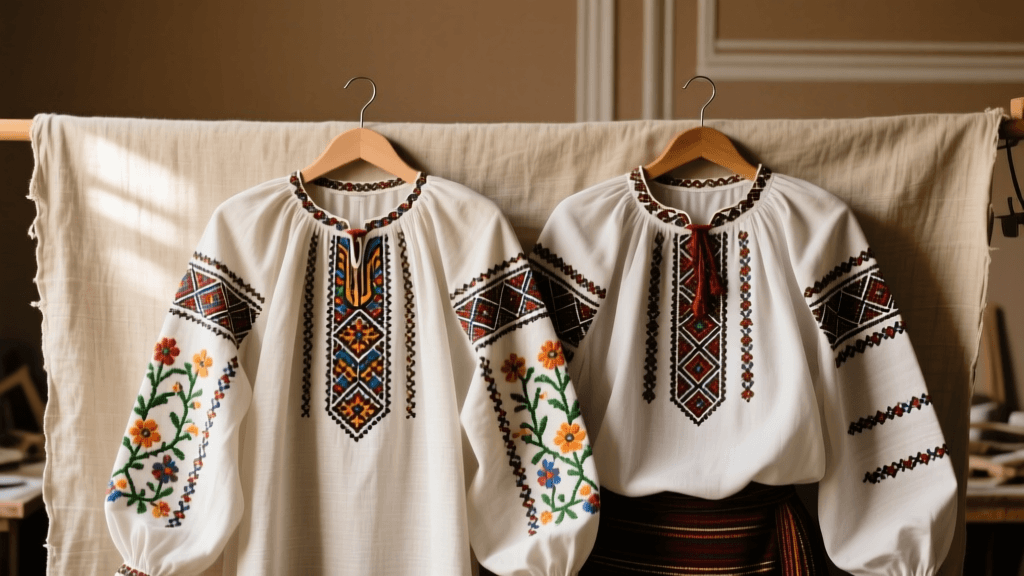
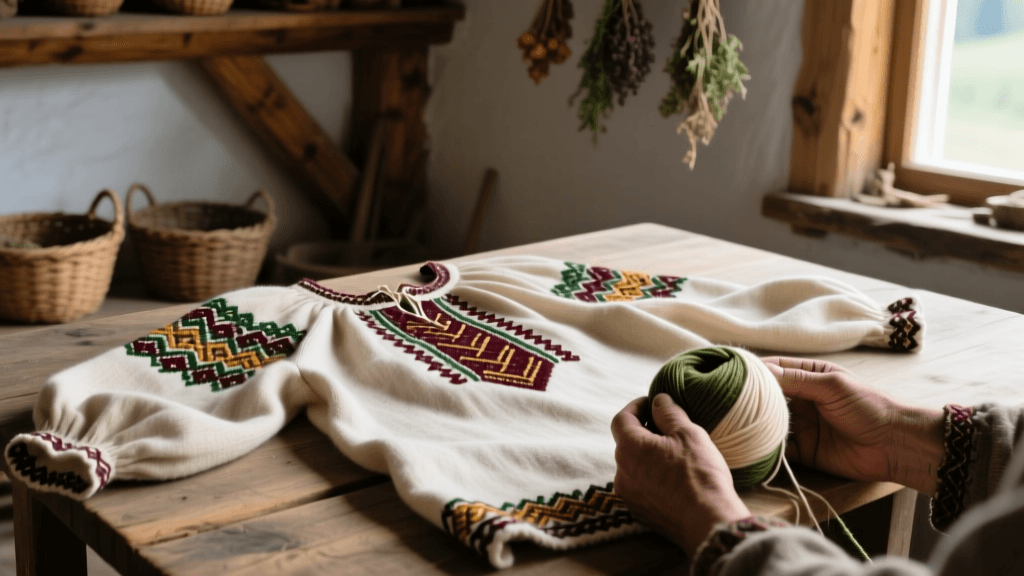
Authentic Bunads are crafted from high-grade, naturally dyed wool and hand-woven linen. The true value of a Bunad lies in its embroidery. Techniques such as Hardangersøm (a complex form of whitework and drawn-thread embroidery) and Svartsøm (intricate blackwork embroidery on dark wool) require hundreds of hours of skilled hand-stitching. In 2026, the shortage of master embroiderers has led to significant wait times for custom-commissioned pieces, often stretching between eight to fourteen months.
The Importance of Bunad Silver (Sølje)
No Bunad is complete without its traditional silver jewelry, known as sølje. These hand-forged pieces include elaborate filigree brooches, crown-like headpieces, and belt buckles. In 2026, artisanal silver prices have surged due to raw material costs, with a full suite of authentic, hand-crafted Bunad silver ranging from $1,200 to over $3,500 USD. It is considered a cultural faux pas to wear mass-produced, plated jewelry with a genuine Bunad.
The Bavarian Tracht: Beyond the Oktoberfest Stereotype
When discussing traditional dress from the Alpine regions of Germany and Austria, it is crucial to distinguish between Tracht (authentic, historically grounded traditional dress) and Trachtenmode (commercialized fashion). The Bavarian National Museum houses extensive collections demonstrating that true Tracht is a living tradition, governed by regional associations that dictate the correct cut, fabric, and color palettes for specific valleys and towns, such as the Miesbacher or Werdenfelser Tracht.
Anatomy of the Authentic Dirndl
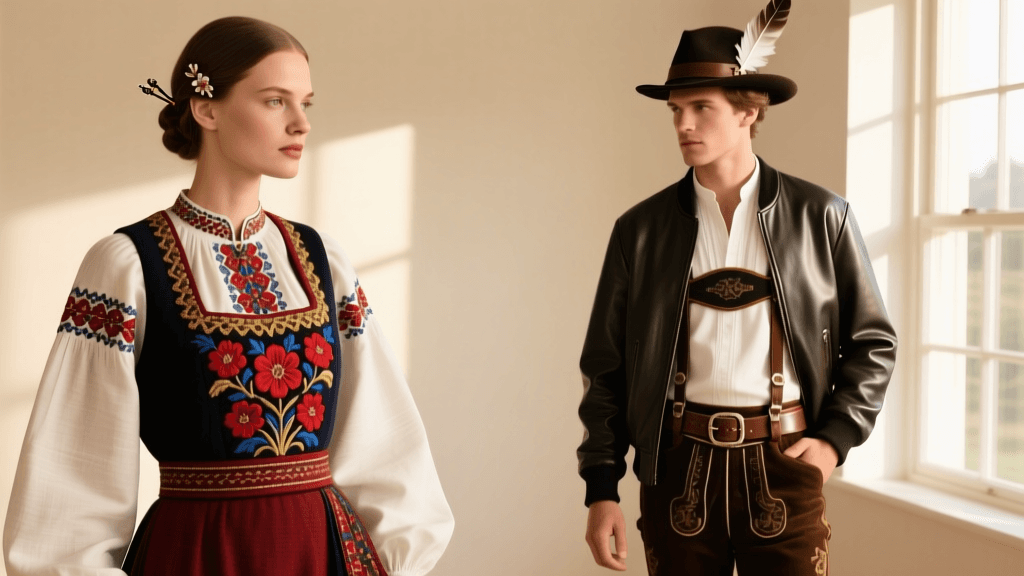
A genuine Dirndl consists of four distinct components: a structured bodice (Mieder), a full skirt (Rock), a tailored blouse (Bluse), and a silk or linen apron (Schürze). In 2026, the hallmark of a high-quality Dirndl is hand-smocking (Froschgoscherl) on the bodice and the use of natural fibers like alpine linen, raw silk, and fine merino wool. Mass-market Dirndls often utilize polyester blends and machine-printed patterns, which are immediately recognizable and discouraged at traditional folk gatherings.
Lederhosen and the Art of Sämischgerbung
Authentic Bavarian Lederhosen are crafted from deer leather (Hirschleder) or chamois, tanned using the traditional Sämischgerbung method. This ancient brain-and-oil tanning process yields a leather that is incredibly soft, breathable, and durable, developing a beautiful patina over decades of wear. A pair of hand-embroidered, authentically tanned Lederhosen in 2026 is an investment piece, with master saddlers and leatherworkers charging a premium for their specialized craftsmanship.
Comparative Sourcing and Styling Matrix
To help you navigate the investment required for these heritage garments, below is a comparative analysis of the Norwegian Bunad and the Bavarian Tracht based on 2026 market conditions and cultural expectations.
| Feature | Norwegian Bunad | Bavarian Tracht (Dirndl/Lederhosen) |
|---|---|---|
| Primary Materials | Virgin wool, hand-woven linen, silk | Alpine linen, raw silk, deer leather, loden wool |
| 2026 Avg. Cost (USD) | $3,500 - $6,500+ | $800 - $2,800 |
| Customization Time | 8 - 14 months | 2 - 5 months |
| Cultural Regulation | Extremely strict; tied to family ancestry | Moderate; tied to regional valley associations |
| Fast-Fashion Acceptability | Strictly forbidden; highly stigmatized | Discouraged at traditional events; common at tourist festivals |
| Key Accessories | Hand-forged silver (Sølje), woven belts | Silk aprons, Charivari (silver chain), felt hats |
Essential Etiquette and Styling Rules for 2026 Festivals
Wearing traditional European folk dress requires an understanding of the unspoken rules and historical etiquette that govern these garments. Ignoring these nuances can mark you as an outsider or, worse, show disrespect to the culture.
Bunad Rules: The Ancestry Requirement
The most critical rule of the Bunad is that you should wear the design from the region where your family originates, or where you were born. It is considered inappropriate to simply choose a Bunad because you prefer its color palette. Furthermore, a Bunad must always be worn with the correct regional headpiece (such as the skaut for married women in certain regions) and appropriate leather footwear. Wearing modern sneakers or contemporary makeup with a Bunad is heavily frowned upon.
Dirndl Etiquette: The Apron Knot Code
In Bavarian culture, the way you tie your Dirndl apron bow communicates your relationship status to the world. This tradition remains strictly observed in 2026 at traditional folk festivals (Trachtenfeste):
- Bow on the Left: You are single and open to meeting people.
- Bow on the Right: You are married, engaged, or in a committed relationship.
- Bow in the Center: Traditionally signifies virginity, though today it is often worn by young girls or those who prefer not to disclose their status.
- Bow on the Back: Signifies that you are widowed, or in the case of a working waitress, that she is simply tying it out of the way for practicality.
Footwear and Outerwear
For both traditions, footwear must be historically congruent. For the Bunad, this means traditional black leather buckle shoes or specific regional boots. For the Dirndl, closed-toe leather pumps, traditional Haferl shoes, or elegant ankle boots are appropriate. Avoid open-toed sandals or modern stilettos. In terms of outerwear, a hand-knitted wool cardigan or a traditional Loden wool cape is essential for Alpine evenings, ensuring you stay warm without breaking the historical silhouette.
Final Thoughts on Preserving Textile Heritage
Investing in a Norwegian Bunad or a Bavarian Tracht in 2026 is more than a fashion choice; it is an act of cultural preservation. By supporting master weavers, silversmiths, and traditional tanners, you are helping to keep centuries-old European textile techniques alive for future generations. Whether you are sourcing a bespoke Telemark Bunad or commissioning hand-smocked Miesbacher Dirndl, always prioritize authentic artisans over commercial manufacturers. The result is a garment of unparalleled quality, rich history, and deep cultural resonance that will serve as a cherished family heirloom for decades to come.