Guide to Authentic Carpathian Wool & Vyshyvanka 2026
The 2026 Renaissance of Eastern European Heritage Textiles
In 2026, the global appreciation for Eastern European folk dress has evolved from fleeting fashion trends into a deep, sustained commitment to cultural preservation and sustainable craftsmanship. Across the Carpathian Mountain regions of Ukraine, Romania, and Poland, heritage textiles like the vyshyvanka (embroidered blouse) and heavy wool keptar (sheepskin vests) are experiencing a renaissance. However, as global demand surges, the market has been flooded with mass-produced, machine-made imitations. For collectors, cultural enthusiasts, and sustainable fashion advocates, knowing how to source, identify, and care for authentic Slavic and Balkan garments is more critical than ever.
This comprehensive guide will walk you through the nuances of Carpathian textile construction, provide actionable sourcing advice for the 2026 market, and outline the best preservation techniques to ensure these masterpieces endure for generations. For a broader understanding of how these garments fit into global heritage, we recommend exploring UNESCO's Intangible Cultural Heritage initiatives, which actively work to protect traditional craftsmanship worldwide.
Identifying Authentic Hand-Loomed Linen vs. Commercial Cotton
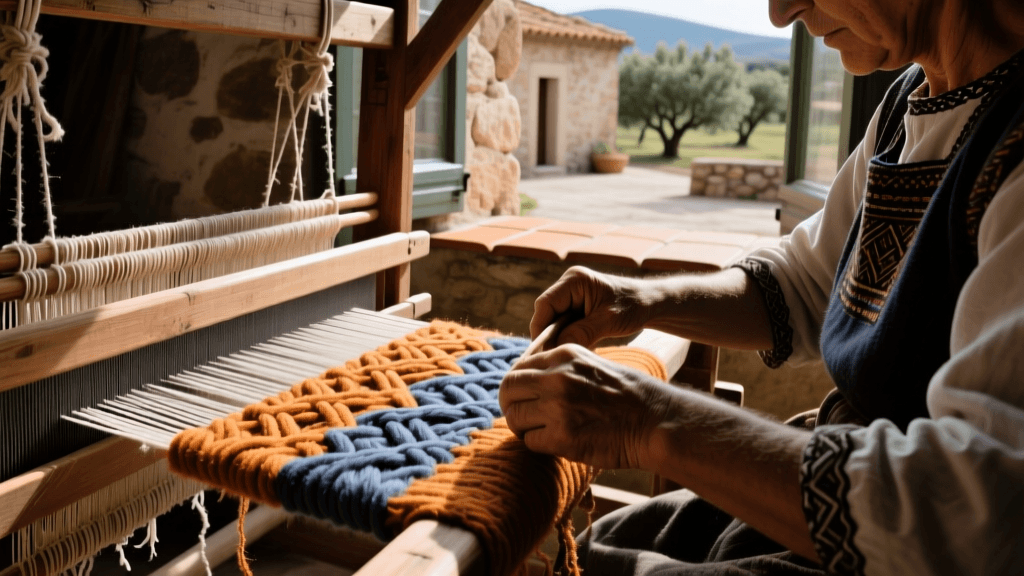
The foundation of any authentic Slavic embroidered blouse is the fabric base. Historically, these garments were crafted from hand-loomed flax linen. In 2026, true artisan cooperatives still cultivate and process flax using traditional retting and scutching methods, resulting in a fabric with a distinct, slightly uneven texture known as "slub."
The Burn Test and Visual Inspection
When evaluating a potential purchase, inspect the weave under a magnifying glass. Authentic hand-loomed linen will show slight irregularities in the warp and weft threads. Commercial cotton or linen-blend fabrics will appear uniformly perfect. Furthermore, authentic linen possesses a natural luster and feels cool to the touch, whereas commercial cotton feels warmer and more matte. If you are sourcing raw fabric for your own embroidery projects, look for a weight between 180 and 220 GSM (grams per square meter), which is the historical standard for durable, breathable folk blouses.
Distinguishing Hand Embroidery from Machine Stitching
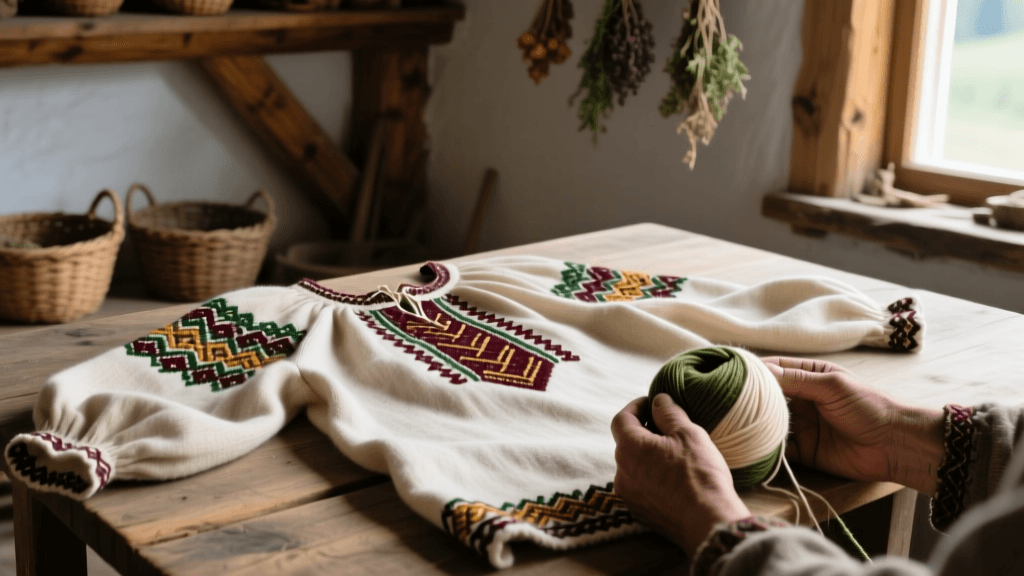
The most significant indicator of a garment's authenticity—and its corresponding price tag—is the embroidery technique. The traditional vyshyvanka and Romanian ie rely heavily on counted-thread techniques like cross-stitch, satin stitch, and intricate cutwork (merezhka).
- The Reverse Side Test: Turn the garment inside out. Traditional hand embroidery, particularly the double-running stitch and cross-stitch, is executed so that the reverse side is nearly identical to the front, with no messy bobbin threads or long "jump" threads connecting distant motifs.
- Tension and Texture: Hand-stitched threads will have microscopic variations in tension, giving the motif a three-dimensional, organic feel. Machine embroidery sits flat and rigid on the fabric.
- Thread Composition: Authentic 2026 heritage pieces utilize hand-spun wool, silk, or high-mercerization cotton threads dyed with natural botanicals. Mass-market replicas rely on synthetic polyester threads that shine unnaturally under UV light.
Regional Embroidery Styles & 2026 Market Pricing
The Carpathian region is not a monolith; its valleys and highlands harbor distinct aesthetic dialects. Understanding these regional differences is vital for accurate sourcing and fair pricing. The table below outlines the signature styles and current 2026 market valuations for authentic, artisan-crafted pieces.
| Region | Signature Motif & Colors | Base Material | 2026 Avg. Price (USD) | Artisan Lead Time |
|---|---|---|---|---|
| Hutsul (Ukraine) | Geometric stars, rhombuses; vibrant orange, black, green | 190 GSM Hand-loomed Linen | $350 - $550 | 4 - 8 Weeks |
| Maramureș (Romania) | Floral vines, "saddle" shoulder motifs; black, burgundy, metallic | 210 GSM Hemp-Linen Blend | $400 - $650 | 6 - 10 Weeks |
| Podhale (Poland) | Thistle (oset) and edelweiss; deep red, green, yellow | Heavyweight Bleached Linen | $300 - $480 | 3 - 6 Weeks |
| Bukovina (Ukraine/Romania) | Cross-stitch wheat sheaves, stylized birds; red, black, white | 180 GSM Unbleached Linen | $280 - $450 | 4 - 7 Weeks |
Note: Prices reflect direct-from-cooperative sourcing in 2026. Purchasing through international boutique curators may add a 40-60% markup.
Sourcing Authentic Carpathian Wool Garments
Beyond the embroidered blouses, the outerwear of the Carpathian highlands is legendary for its durability and warmth. The Romanian keptar and the Hutsul serdak are sleeveless vests crafted from sheepskin, heavily adorned with wool appliqué, leather braiding, and metal studs.
In 2026, ethical sourcing and traceability are paramount. Reputable artisans now provide digital certificates of authenticity detailing the specific flock and tannery used. When sourcing a keptar, ensure the sheepskin is traditionally tanned using vegetable-based methods (often utilizing willow or oak bark) rather than modern chrome tanning, which compromises the historical integrity and breathability of the hide. Expect to invest between $600 and $1,200 for a bespoke, fully lined sheepskin vest crafted by a master cojocar (furrier and leatherworker).
Natural Dyes and Thread Sourcing for DIY Enthusiasts
For textile artists looking to recreate Slavic and Balkan folk dress at home, sourcing historically accurate threads is a rewarding challenge. The 2026 market has seen a massive resurgence in botanical dyeing. To achieve the deep, colorfast reds characteristic of Balkan embroidery, look for threads dyed with madder root (Rubia tinctorum). For the vibrant yellows found in Polish and Ukrainian motifs, weld (Reseda luteola) or onion skin extracts are the historical standards.
"The soul of Eastern European folk dress lies not just in the pattern, but in the earth from which its colors are drawn. A true vyshyvanka reflects the local soil, the regional flora, and the hands that cultivated both." — Dr. Elena Varga, Textile Historian
We highly recommend consulting Europeana's traditional costume archives to study high-resolution macro photographs of historical garments before beginning your own dyeing and stitching projects. This ensures your color palette remains regionally accurate.
Care, Storage, and Preservation of Heritage Textiles
Owning an authentic piece of Eastern European folk dress is an investment in cultural history. Proper care is essential to prevent the degradation of natural fibers and botanical dyes.
Washing Hand-Loomed Linen
Never machine-wash or dry-clean a hand-embroidered vyshyvanka or ie. The agitation of a washing machine can distort the counted-thread embroidery, while the harsh chemicals in dry cleaning can strip natural dyes. Instead, hand-wash the garment in cold water (below 20°C / 68°F) using a pH-neutral textile detergent. Gently press the water out—never wring or twist the linen. Roll the garment in a clean, dry cotton towel to absorb excess moisture, then lay it flat to dry away from direct sunlight, which can fade madder and weld dyes.
Storing Heavy Wool and Sheepskin
Carpathian wool vests and sheepskin coats require specialized storage to prevent moth damage and leather desiccation.
- Avoid Plastic: Never store sheepskin or heavy wool in plastic garment bags. Plastic traps moisture and off-gasses chemicals that can cause the leather backing to rot or crack. Use breathable, unbleached cotton canvas bags.
- Moth Prevention: Skip chemical mothballs, which leave a toxic residue and odor. Instead, use blocks of untreated Eastern Red Cedar and dried lavender sachets, refreshing the cedar oil every six months.
- Climate Control: Store garments in a climate-controlled environment with a relative humidity of 45-55%. Fluctuations in humidity can cause the leather of a keptar to expand and contract, leading to permanent creasing and thread snapping.
For advanced conservation techniques and long-term archival storage methods, the Victoria and Albert Museum's textile conservation guidelines remain the gold standard for both private collectors and museum curators.
Conclusion: Investing in Cultural Continuity
As we navigate the fashion landscape of 2026, choosing to source and wear authentic Slavic and Balkan folk dress is a powerful statement against fast fashion. By investing in hand-loomed linens, naturally dyed threads, and ethically sourced Carpathian wool, you are directly supporting rural artisan cooperatives and ensuring that centuries-old techniques survive into the next generation. Whether you are adding a Hutsul vyshyvanka to your wardrobe or carefully preserving a vintage Romanian ie, you become an active participant in the living history of Eastern European textile arts.