Best Hanfu Styles for Qigong & Meditation in 2026
The Intersection of Hanfu and Mindful Movement in 2026
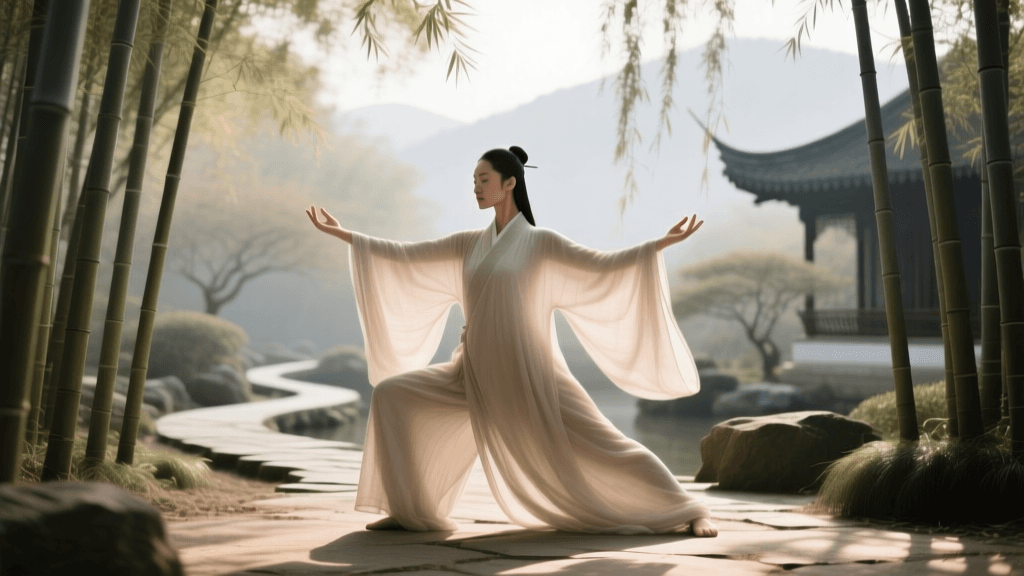
As the global wellness landscape continues to evolve in 2026, practitioners of traditional Chinese medicine, Qigong, and mindfulness meditation are increasingly looking beyond modern synthetic athleisure. Instead, they are returning to the roots of their practices by incorporating authentic Hanfu (traditional Han Chinese clothing) into their daily routines. This is not merely an aesthetic choice; it is a functional and spiritual one. The philosophy of Qigong revolves around the cultivation and unblocked flow of Qi (vital energy) through the body's meridians. Restrictive clothing, tight waistbands, and non-breathable synthetic fabrics can physically and energetically impede this flow. By contrast, the structural design of traditional Hanfu promotes physical ease, thermal regulation, and a grounded psychological state, making it the ultimate garment for deep meditative practices.
According to the National Center for Complementary and Integrative Health (NCCIH), Qigong and Tai Chi combine posture, breathing, and focused intention to improve mental and physical health. To fully engage in these postures—such as the deep stances of the Ba Duan Jin (Eight Brocades) or the expansive movements of the Wu Qin Xi (Five Animals)—your clothing must move seamlessly with your biomechanics. In 2026, the market for wellness-oriented Hanfu has expanded significantly, offering eco-friendly dyes, enzyme-washed natural fibers, and historically accurate cuts tailored specifically for modern meditation retreats and daily home practice.
Why Fabric Choice Matters in Qigong and Meditation
When selecting a Hanfu for wellness practices, the textile is just as important as the silhouette. In 2026, the leading Hanfu artisans have pivoted heavily toward sustainable, plant-based, and natural protein fibers that interact harmoniously with the skin's microclimate during extended periods of stillness or gentle movement.
- Ramie (Xia Bu): Often referred to as "Chinese linen," ramie is highly prized for summer Qigong. It possesses natural antibacterial properties and exceptional moisture-wicking capabilities. Modern 2026 enzyme-washing techniques have eliminated the historical stiffness of ramie, resulting in a fabric that is incredibly soft, drapes beautifully, and keeps the practitioner cool during vigorous morning forms.
- Mulberry Silk (Raw and Dupioni): While glossy silks are reserved for ceremonies, raw silk and silk noil are matte, textured, and breathable. Silk is a natural temperature regulator, making it ideal for indoor seated meditation (Zazen or Chan) where the body's core temperature can fluctuate as the metabolic rate slows down.
- Organic Linen and Hemp Blends: For practitioners in humid climates, heavyweight organic linen provides a grounding, weighted sensation that can enhance proprioception during standing meditation (Zhan Zhuang). The slight weight of the fabric helps the practitioner feel rooted to the earth, a core tenet of Qigong grounding techniques.
Furthermore, the 2026 wellness market emphasizes non-toxic, natural dyeing methods. Garments dyed with indigo, tea, pomegranate rind, and mud-silk (a traditional technique using river mud and yam juice) are highly sought after, as they eliminate the risk of contact dermatitis during prolonged skin contact in deep meditative states.
Top Hanfu Silhouettes for Unrestricted Qi Flow
Not all Hanfu styles are suitable for physical movement. Highly structured garments like the heavily embroidered Ming Dynasty Mamianqun (horse-face skirt) or stiff formal court wear are too restrictive. Instead, wellness practitioners favor flowing, unrestrictive silhouettes that allow for deep diaphragmatic breathing and wide ranges of motion.
1. The Ming Dynasty Daopao (Taoist Robe)
The Daopao is arguably the most iconic and functional garment for Qigong and Tai Chi. Characterized by its cross-collar, right lapel, wide sleeves, and side slits that run up to the waist, the Daopao allows for complete freedom of the legs during deep horse stances (Ma Bu). The wide sleeves, typically measuring 40 to 50 centimeters across, promote air circulation and allow the practitioner to observe the flow of air and energy through their arm movements. In 2026, lightweight cotton-linen blend Daopao robes are the top sellers for outdoor morning Qigong in public parks.
2. The Song Dynasty Beizi (Long Open Jacket)
For seated meditation or slower, restorative Qigong forms, the Beizi is an excellent choice. It features a parallel collar and an open front, usually worn over a simple inner garment and loose trousers. The straight, vertical lines of the Beizi encourage proper spinal alignment, which is crucial for maintaining the Baihui (crown) to Yongquan (sole) energy line during seated Chan (Zen) meditation. Its open front also makes it easy to layer and adjust as the body warms up during breathwork (Tu Na).
3. Wei Jin Dynasty Wide-Sleeved Shenyi
The Wei Jin period was known for its philosophical focus on nature, Daoism, and spiritual freedom. The Shenyi (deep robe) from this era features dramatically wide sleeves and a relaxed, flowing fit that does not cling to the body. This style is highly favored by practitioners of the Wu Qin Xi (Five Animals Qigong), as the expansive fabric mimics the natural, sweeping movements of the tiger, deer, bear, monkey, and bird.
2026 Buyer’s Guide: Sourcing Authentic Wellness Hanfu
When investing in a wellness-specific Hanfu, it is vital to prioritize cut, fabric weight, and historical accuracy over cheap, costume-like synthetic alternatives. Below is a comparison chart to help you select the right garment for your specific practice in 2026.
| Garment Style | Best 2026 Fabric | Ideal Practice | Best Climate / Season | Est. Price Range (USD) |
|---|---|---|---|---|
| Ming Daopao | Enzyme-Washed Ramie | Zhan Zhuang, Ba Duan Jin | Warm / Summer | $85 - $160 |
| Song Beizi | Raw Mulberry Silk | Seated Meditation, Breathwork | Cool / Autumn | $120 - $240 |
| Wei Jin Shenyi | Organic Linen Blend | Wu Qin Xi, Flowing Tai Chi | Mild / Spring | $95 - $180 |
| Jiaoling Ruqun | Hemp-Cotton Weave | Yin Yoga, Grounding Stretches | Year-Round Indoor | $70 - $130 |
When shopping, look for artisans who provide detailed measurements for sleeve width and hem circumference. A proper Daopao should have a hem circumference of at least 200 centimeters to ensure the fabric does not pull across the knees when squatting.
Integrating Hanfu into Your Daily Meditation Routine
The physical act of dressing can be a powerful psychological trigger, signaling to the brain that it is time to transition from the chaos of daily life into a state of mindfulness. The Mayo Clinic highlights that establishing a consistent routine and environment is key to reaping the stress-reduction benefits of meditation. Incorporating a "robing ritual" into your morning can profoundly deepen your practice.
Step-by-Step Mindful Robing Ritual
- Cleanse and Prepare: Begin by washing your face and hands with cool water. This physically wakes the nervous system and symbolically washes away worldly distractions.
- The Inner Layer (Zhongyi): Put on your soft, moisture-wicking inner garment. As you tie the inner strings, focus on your breath, taking three deep diaphragmatic inhales to center your mind.
- The Outer Robe (Daopao or Beizi): Drape the outer robe over your shoulders. Feel the weight of the natural fibers against your skin. Allow the wide sleeves to fall naturally, shaking out your arms to release tension in the shoulders and neck.
- Securing the Sash: Tie the waist sash at your Dantian (the energy center located roughly two inches below the navel). Do not tie it tightly; it should rest gently, providing a physical point of focus for your abdominal breathing.
- Final Alignment: Stand in a neutral posture, feet shoulder-width apart. Imagine a string pulling the crown of your head toward the sky while your feet root deeply into the floor. Your Hanfu should drape perfectly in this aligned state, creating a bell-like silhouette that houses your circulating Qi.
Conclusion: Embracing Tradition for Modern Wellness
The integration of Hanfu into Qigong and meditation is a beautiful synthesis of form and function. By choosing historically informed, naturally dyed, and properly tailored garments, practitioners in 2026 are not just preserving a rich cultural heritage; they are actively enhancing their physical and spiritual well-being. Whether you are performing the sweeping movements of the Five Animals in a sunlit park or sitting in silent meditation in your living room, the right Hanfu serves as a breathable, grounding vessel for your vital energy, allowing your practice to reach new depths of tranquility and focus.