Best Hanfu Styles For Tai Chi And Qigong Practice In 2026
The Intersection of Hanfu and Internal Martial Arts
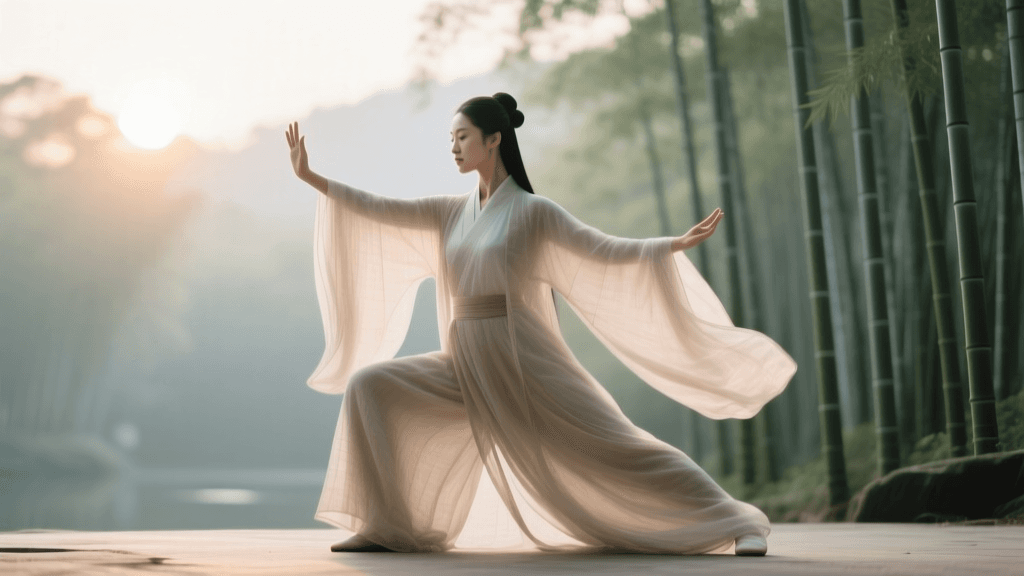
The intersection of traditional Chinese garments and internal martial arts represents a profound synthesis of culture, movement, and holistic health. For centuries, practitioners of Tai Chi and Qigong have understood that the clothing worn during practice is not merely decorative; it is an extension of the body's energy system. As we navigate the wellness landscape of 2026, the 'Xin Zhongshi' (new Chinese style) movement has catalyzed a renaissance in functional traditional wear. Today's practitioners are increasingly seeking out authentic Hanfu designs that honor historical silhouettes while accommodating the biomechanical demands of modern Qigong and Tai Chi routines.
According to Harvard Health Publishing, Tai Chi is often described as 'meditation in motion,' offering profound benefits for balance, flexibility, and cardiovascular health. To fully realize these benefits, the practitioner's clothing must allow for unrestricted diaphragmatic breathing and seamless joint rotation. Restrictive modern activewear can inadvertently compress the meridians and restrict the natural flow of Qi (vital energy). Hanfu, with its inherently generous cuts and emphasis on natural drape, provides an ideal solution for the 2026 wellness enthusiast.
The Biomechanics of Qi and Garment Drape
Internal martial arts rely heavily on the concept of 'Chan Si Jin' (silk reeling energy), which involves continuous, spiraling movements originating from the core and extending to the extremities. When practicing forms like the Yang-style 24 or the intricate movements of Ba Duan Jin (Eight Brocades), the shoulders, hips, and spine must remain entirely relaxed. The structural design of traditional Hanfu—particularly the absence of rigid shoulder seams and the use of flat, cross-collar closures—naturally supports this anatomical requirement.
The National Qigong Association emphasizes that proper posture and relaxed breathing are foundational to Qigong practice. A tightly fitted garment can create sensory feedback that causes the practitioner to unconsciously tense their muscles, thereby disrupting the mind-body connection. The flowing sleeves and relaxed bodice of a well-tailored Hanfu act as a physical cue for the practitioner to 'sink the shoulders and drop the elbows,' a fundamental Tai Chi principle. Furthermore, the generous volume of fabric around the midsection ensures that the lower Dantian (the body's energetic center, located just below the navel) is never compressed during deep abdominal breathing.
Top Fabric Innovations for 2026 Wellness Wear
The year 2026 has seen remarkable advancements in the processing of natural fibers, bridging the gap between historical authenticity and modern comfort. When selecting a Hanfu for Tai Chi and Qigong, the fabric's breathability, moisture-wicking properties, and tactile sensation against the skin are paramount.
- Enzyme-Washed Ramie: Historically prized for its cooling properties, raw ramie can sometimes feel stiff. In 2026, bio-enzyme washing techniques have yielded ramie fabrics that retain their exceptional breathability and structural drape but feel as soft as worn cotton. This makes it the premier choice for vigorous summer Tai Chi practice.
- Cupro-Linen Blends: Cupro, a regenerated cellulose fiber derived from cotton linter, has been blended with traditional linen to create a fabric that drapes beautifully, mimicking the flow of heavy silk without the prohibitive cost or delicate care requirements. It regulates body temperature exceptionally well during standing Qigong meditation.
- Matte Raw Silk (Sheng Si): For cooler climates or indoor studio practice, raw silk provides a subtle insulation that keeps the joints warm—a critical factor in preventing injury during slow, controlled movements. The matte finish of unbleached Sheng Si aligns perfectly with the understated elegance preferred in modern wellness circles.
- Bamboo-Cotton Jersey Weaves: While traditional Hanfu relies on woven fabrics, the 2026 Xin Zhongshi wellness market has introduced bamboo-cotton blends woven in a subtle jersey knit. These are often used for the inner layers (Zhongyi) of the Hanfu ensemble, providing a soft, moisture-wicking barrier against the skin.
Recommended Hanfu Silhouettes for Movement
Not all Hanfu styles are created equal when it comes to physical exertion. While the grand, sweeping robes of the Ming Dynasty are visually stunning, they are impractical for low stances and sweeping legwork. Below is a guide to the most functional silhouettes for internal martial arts.
| Hanfu Silhouette | Best Practice Type | Fabric Recommendation | Mobility Rating |
|---|---|---|---|
| Duanda (Short jacket and trousers) | Chen-style Tai Chi, vigorous Qigong, weapon forms | Enzyme-washed Ramie or Bamboo-Cotton | Excellent (Unrestricted) |
| Yese (Cross-collar robe with side slits) | Standing meditation, Ba Duan Jin, Yang-style Tai Chi | Cupro-Linen blend | Very Good (Ankle mobility) |
| Banbi (Half-sleeve vest over inner robe) | Summer outdoor Qigong, breathwork focus | Lightweight Raw Silk or Linen | Good (Arm circulation) |
| Daopao (Taoist-style wide robe) | Advanced static meditation, ceremonial Qigong | Heavy Matte Silk | Fair (Restricts deep stances) |
The Duanda is arguably the most practical choice for the modern martial artist. Originating as the everyday wear of laborers and soldiers, its fitted trousers and shorter tunic allow for deep horse stances (Ma Bu) and sweeping kicks without the risk of tripping over hemlines. Conversely, the Yese offers a more traditional, scholarly aesthetic. The side slits (Kaicha) on the Yese are crucial; they allow the legs to move freely while maintaining the unbroken vertical line of the robe, which visually reinforces the concept of 'rooting' or grounding oneself to the earth.
Color Theory and Traditional Chinese Medicine (TCM)
In 2026, the integration of Traditional Chinese Medicine (TCM) principles into daily wellness routines has influenced how practitioners choose the colors of their Tai Chi Hanfu. According to the Five Elements theory (Wu Xing), specific colors correspond to different internal organs and energetic states.
Practicing Qigong focused on liver health and emotional release often involves wearing green or teal garments, which correspond to the Wood element. For practices aimed at respiratory health and grief release, white or unbleached natural tones (Metal element) are preferred. Earth tones, such as ochre and warm browns, are highly recommended for grounding exercises and cultivating stability in the spleen and stomach meridians. By mindfully selecting the color of your Hanfu, you add a layer of psychological and energetic intentionality to your daily practice.
Footwear: Grounding Your Practice
A complete Hanfu ensemble for Tai Chi must include appropriate footwear. Modern rubber-soled running shoes elevate the heel and alter the body's natural center of gravity, which is detrimental to Tai Chi's emphasis on rooting. In 2026, the traditional Yunxie (cloud shoe) remains the gold standard. These shoes feature a flat, ultra-thin sole made from layered cotton or flexible natural rubber, allowing the practitioner to feel the ground beneath their feet. This sensory feedback is essential for shifting weight smoothly and maintaining balance. Pairing Yunxie with traditional white cotton cloth socks ensures that the ankles remain warm and protected from 'wind-cold' pathogens, a common concern in TCM when practicing outdoors in the early morning.
Garment Care for Longevity
Investing in high-quality, natural-fiber Hanfu requires a commitment to proper garment care. To maintain the structural integrity of enzyme-washed ramie and raw silk, avoid harsh chemical detergents and high-heat tumble drying. In 2026, eco-friendly, pH-neutral liquid soaps derived from botanical sources are widely available and are the best choice for washing natural wellness garments. Hand washing in cool water and laying the garment flat to dry in the shade will preserve the fabric's natural drape and prevent the fibers from becoming brittle. Over time, natural fibers will mold to the unique contours of your body, making your Hanfu a deeply personal tool in your ongoing journey of health, mindfulness, and traditional practice.