Borshchiv Black Vyshyvanka Embroidery & Sourcing Guide 2026
The Enigma of Borshchiv Black Embroidery
The landscape of Eastern European folk dress is vast, spanning from the intricate lace-making of the Carpathians to the heavy woolen textiles of the Balkans. Yet, few garments command the reverence and mystery of the Borshchiv black vyshyvanka. Originating from the Ternopil Oblast in western Ukraine, this striking garment stands as a testament to the resilience and artistry of Slavic textile traditions. As we navigate the cultural revivals of 2026, the demand for authentic, hand-stitched regional garments has surged globally. This makes it crucial for collectors, cultural enthusiasts, and heritage fashion lovers to distinguish between genuine artisan work and mass-produced imitations when expanding their traditional wardrobes.
Symbolism and Cultural Heritage in Eastern European Dress
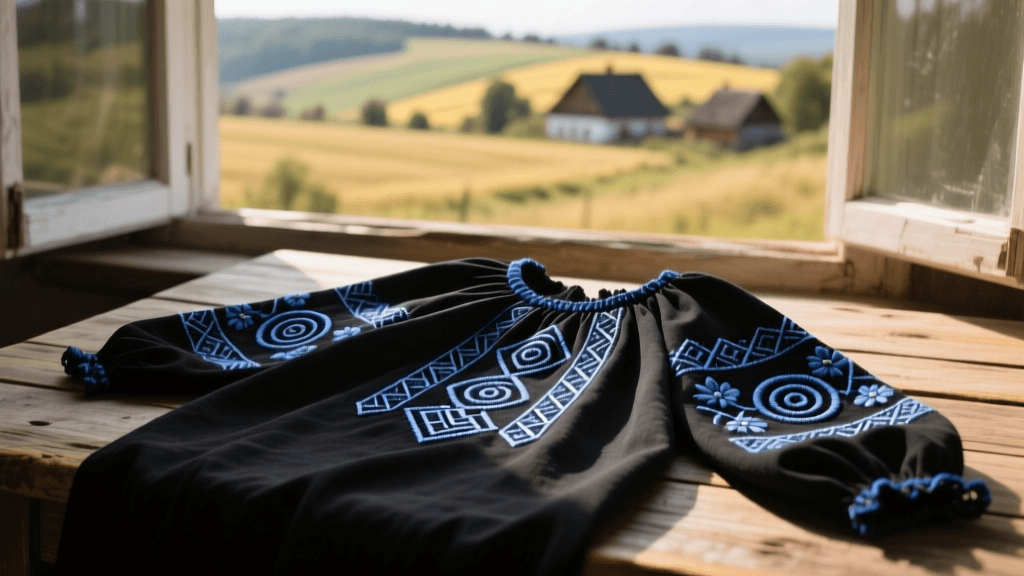
Unlike the vibrant red and white threads that dominate much of the Slavic and Balkan embroidery lexicon, the Borshchiv region is famous for its dense, geometric black-on-white or black-on-black embroidery. Historically, black thread was spun from sheep's wool and dyed using natural tannins derived from oak galls, alder bark, and bog iron. In the context of Eastern European folk dress, black was not solely a color of mourning. It represented the fertile earth, protection against malevolent spirits, and a deep connection to the ancestral realm.
According to the extensive textile archives at the Ivan Honchar National Centre of Folk Culture, the proliferation of black embroidery in the late 19th and early 20th centuries was also a practical response to the scarcity of expensive imported red dyes, elevating a localized material constraint into a profound regional aesthetic. Today, the preservation of these unique motifs is heavily supported by cultural heritage programs outlined by the Ministry of Culture and Information Policy of Ukraine, ensuring that the intricate geometric codes of the Borshchiv shirt survive and thrive in the modern era.
Anatomy of an Authentic Borshchiv Vyshyvanka
Creating an authentic Borshchiv vyshyvanka is a masterclass in patience and mathematical precision. The traditional canvas is unbleached or lightly bleached linen, woven on a handloom to create a slightly irregular, organic texture that modern synthetic blends simply cannot replicate. In 2026, master artisans have returned to cultivating heritage flax varieties, yielding a heavier, more durable linen that drapes beautifully and softens with age while maintaining structural integrity.
Traditional Stitches and Techniques
The embroidery relies heavily on the "nyzynka" (a type of darning stitch that creates a dense, almost woven surface on the reverse side) and "zavolikannia" (a running stitch used for geometric bands). The sleeves are typically covered in dense, rhythmic patterns that taper from the shoulder to the cuff, while the chest features a prominent central bib. The sheer density of the black thread in a genuine Borshchiv shirt adds significant weight to the garment, a tactile hallmark of authenticity that buyers should feel when sourcing pieces.
Measurement and Fit Guide for Custom Artisan Orders
When commissioning a custom Borshchiv vyshyvanka from an artisan in 2026, precise measurements are vital. Traditional Slavic folk dress is designed with a generous, boxy silhouette to allow for ease of movement and layering over chemises. Use the following guidelines to ensure an authentic fit:
- Chest/Bust: Measure around the fullest part. Add 4 to 6 inches (10-15 cm) for the traditional ease required for woven, non-stretch fabrics.
- Sleeve Length: Measure from the base of the neck (since traditional shirts often use a raglan or dropped-shoulder seam) down to the wrist bone.
- Gussets (Lastka): Ensure your artisan includes underarm gussets, typically 4x4 inches, which are crucial for mobility and structural integrity in rigid linen.
- Hem Drop: Traditional shirts are worn untucked over skirts or trousers, usually falling to the mid-thigh. Specify a 28 to 32-inch center back length depending on your height.
Identifying Mass-Produced Imitations in the 2026 Market
As global interest in Eastern European folk dress peaks in 2026, the market has been flooded with machine-embroidered replicas. To identify a genuine hand-stitched Borshchiv piece, always examine the reverse side of the fabric. Hand-executed nyzynka stitches will look nearly identical on both the front and back, with a slightly raised, textured feel. Machine embroidery, conversely, will show a chaotic web of bobbin threads on the reverse. Furthermore, authentic artisans use matte, naturally dyed or high-quality mercerized cotton threads, whereas commercial fakes often utilize shiny polyester threads that catch the light unnaturally and degrade quickly under UV exposure.
2026 Sourcing Guide: Where to Buy Authentic Pieces
Sourcing a genuine Borshchiv vyshyvanka requires connecting directly with heritage cooperatives or verified master artisans. The UNESCO Intangible Cultural Heritage frameworks have helped elevate the status of these artisans, allowing them to price their work sustainably. Below is a comparison of what to expect when sourcing different tiers of garments in the current 2026 market.
| Sourcing Tier | Estimated 2026 Price (USD) | Lead Time | Characteristics |
|---|---|---|---|
| Master Artisan (Bespoke) | $850 - $1,400 | 4 - 8 Months | Hand-loomed linen, natural dyes, fully hand-stitched nyzynka, custom measurements. |
| Heritage Cooperative | $450 - $750 | 6 - 12 Weeks | High-quality commercial linen, premium cotton threads, hand-stitched with some machine-sen seams. |
| Commercial Boutique | $120 - $250 | In Stock | Factory-made, machine embroidery, synthetic thread blends, standardized modern sizing. |
Care Instructions for Black-Dyed Linen
Proper maintenance is essential to preserve the deep black hues and structural integrity of your vyshyvanka. Never use enzymatic detergents or bleach, as these will strip the dark dyes and weaken the linen fibers. Hand wash the garment in cool water (below 30°C) using a pH-neutral soap specifically formulated for delicate textiles. Gently press out excess water without wringing, which can distort the dense embroidery. Dry the shirt flat in the shade; direct sunlight will cause the black threads to fade to a dull charcoal over time. When ironing, always press on the reverse side over a damp pressing cloth to protect the raised texture of the stitches and maintain the fabric's natural luster.
Styling Slavic Folk Dress in Contemporary Wardrobes
Integrating a heavy, traditional Borshchiv vyshyvanka into a 2026 wardrobe requires a balance of respect for the garment's volume and modern tailoring. Because the shirt is inherently boxy and heavily embroidered, pair it with streamlined, structured bottoms. High-waisted, wide-leg wool trousers or a tailored midi skirt in solid, muted tones (such as charcoal, olive, or deep navy) allow the intricate black geometry to remain the focal point. For cooler months, layer the vyshyvanka under a structured, collarless blazer or a traditional Balkan wool vest (kelek), ensuring the densely embroidered cuffs and chest bib remain visible. This approach honors the historical layering techniques of Eastern European folk dress while adapting seamlessly to contemporary sartorial standards.
Conclusion
The Borshchiv black vyshyvanka is far more than a piece of clothing; it is a woven manuscript of Slavic history, resilience, and artistic brilliance. By understanding the regional motifs, demanding authentic craftsmanship, and caring for these textiles properly, you actively participate in the preservation of Eastern European folk dress. Whether you are commissioning a bespoke piece from a master artisan or carefully styling a heritage cooperative shirt, the striking beauty of black-on-linen embroidery remains an unparalleled achievement in the world of traditional garments.