Buying Bespoke Silk Cheongsam Online: Top Tailors in 2026
The Renaissance of the Bespoke Cheongsam in 2026
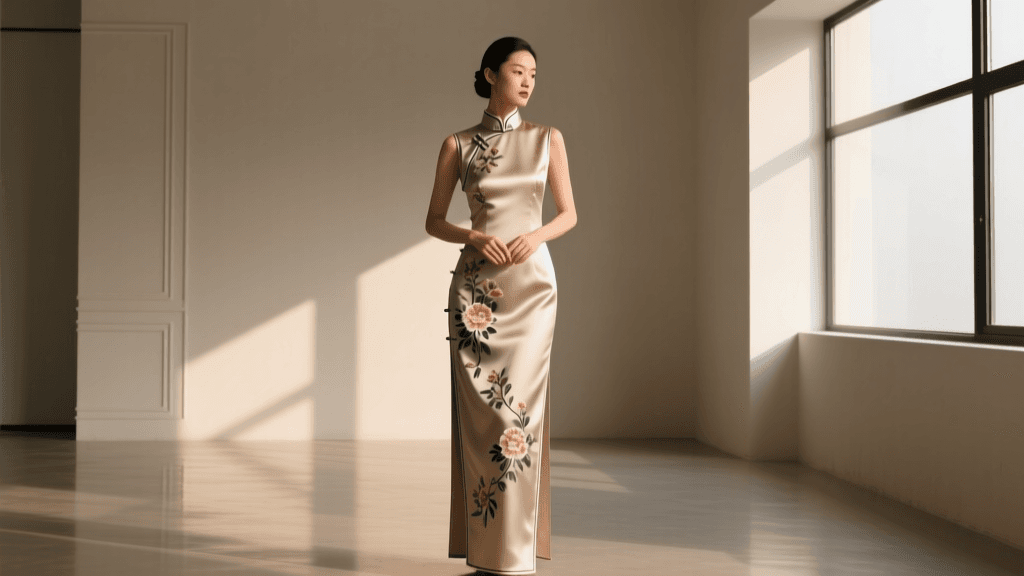
The cheongsam, also widely known as the qipao, has experienced a monumental resurgence in global fashion over the last decade. As we navigate the sartorial landscape of 2026, the demand for authentic, handcrafted Asian traditional garments has shifted dramatically away from mass-produced, polyester-blend replicas and toward heritage craftsmanship. Today’s discerning buyers are leveraging advanced online marketplaces to commission bespoke silk cheongsam directly from master tailors in Shanghai, Suzhou, and Hong Kong. This digital bridge between international consumers and traditional Asian artisans has revolutionized how we approach cultural fashion, making bespoke tailoring more accessible while preserving centuries-old techniques.
However, the proliferation of online vendors also means that navigating the digital marketplace requires a trained eye. Distinguishing between a genuine, hand-loomed mulberry silk qipao and a factory-made synthetic imitation is crucial for collectors, brides, and fashion enthusiasts alike. In this comprehensive guide, we explore the most trusted online marketplaces for purchasing authentic cheongsam in 2026, decode the complex world of silk grades, and provide a meticulous measurement protocol to ensure your bespoke garment fits flawlessly.
Top Online Marketplaces for Authentic Silk Qipao
The e-commerce ecosystem for traditional Asian garments has matured significantly. In 2026, buyers have three primary avenues for sourcing authentic cheongsam: domestic Chinese platforms with global shipping, curated artisan marketplaces, and direct-to-consumer heritage tailor portals.
1. Taobao Global and Tmall Heritage Flagships
For those willing to navigate a slightly steeper learning curve, Taobao Global remains the undisputed king of authentic Chinese textiles. In 2026, the platform’s integrated AI translation and cross-border logistics have made it highly accessible to international buyers. The secret to success here is bypassing the algorithmic fast-fashion feeds and searching directly for heritage flagship stores on Tmall. Brands like Longfeng and Zhenzhen offer made-to-measure services using traditional Jacquard brocades and heavy crepe de chine. Look for sellers displaying the 'Intangible Cultural Heritage' badge, a verification introduced to protect traditional artisan techniques from being diluted by mass manufacturing.
2. Curated Artisan Platforms (Etsy and 1stDibs)
If you prefer an English-native interface with robust buyer protection, Etsy and 1stDibs have emerged as surprising hubs for high-end Asian traditional garments. On Etsy, a new wave of verified Suzhou-based artisans now operate storefronts specializing in Xiangyunsha (gambiered silk) and hand-embroidered qipao. The key in 2026 is to filter for 'Star Sellers' who provide video proof of their hand-embroidery process and offer virtual consultations via integrated platform messaging. 1stDibs, meanwhile, caters to the luxury vintage and high-end bespoke market, featuring established Hong Kong tailors who craft structural, heavily boned cheongsam for red-carpet and bridal events.
3. Direct Bespoke Tailor Portals
Many legendary Shanghai tailors have launched bespoke Shopify-powered portals in recent years, complete with LiDAR smartphone scanning apps. By downloading the tailor’s proprietary app, buyers in 2026 can scan their body morphology in 3D, generating a sub-millimeter accurate avatar. The tailor then uses this data to draft a custom paper pattern, ensuring the notoriously unforgiving silhouette of the qipao fits perfectly without restricting movement.
Understanding Silk Grades and Weaves
The soul of a cheongsam lies in its fabric. According to the Metropolitan Museum of Art’s Heilbrunn Timeline of Art History, Chinese silk production is an ancient art form that requires immense precision, and modern online shoppers must understand the metrics used to grade these textiles. When browsing online marketplaces, you will encounter two primary metrics: silk type and momme weight.
Momme Weight Explained
Momme (mm) is the traditional Japanese unit used globally to measure the weight and density of silk. For a bespoke cheongsam in 2026, you should never accept anything below 19mm. 19mm silk is lightweight and drapes beautifully, ideal for summer garments and flowing silhouettes. 22mm silk is the gold standard for everyday bespoke qipao, offering a luxurious drape with enough structural integrity to hold the iconic high collar and side slits. 30mm heavy crepe is reserved for premium, structured garments that mimic the weight and opacity of wool or heavy cotton, providing a deeply opulent finish.
Heritage Weaves: Brocade and Gambiered Silk
Beyond standard mulberry silk, discerning buyers should seek out specialized weaves. Song brocade and Yun brocade feature raised, intricate patterns woven with metallic threads, perfect for ceremonial wear and weddings. Another highly sought-after textile is Xiangyunsha, a sustainable, mud-dyed silk recognized by the UNESCO Intangible Cultural Heritage registry. This fabric is dyed using the juice of the dioscorea cirrhosa plant and coated with iron-rich river mud, resulting in a dark, crackled patina that is water-resistant, incredibly durable, and uniquely textured. Authentic Xiangyunsha is expensive and requires a certificate of origin when purchased online.
The 2026 Bespoke Measurement Protocol
The cheongsam is designed to follow the natural contours of the body. Unlike Western tailoring, which often relies on darts and heavy padding to create shape, the qipao relies on precise grain-line placement and strategic seaming. When ordering from an online tailor, you must provide the following specific measurements, ideally taken by a professional while wearing the undergarments you intend to wear with the dress.
- Bust: Measure around the fullest part of the chest, keeping the tape measure level across the back.
- Waist: Measure the narrowest part of the natural waist, usually about an inch above the navel.
- Upper Hips: Measure around the hip bones, which is critical for the placement of the side slits.
- Lower Hips: Measure the fullest part of the buttocks to ensure the skirt does not pull horizontally.
- Hollow to Hem: Measure from the hollow at the base of the neck (the collarbone center) down to the desired hemline. Ankle-length is traditional, but mid-calf is popular for modern daily wear.
- Shoulder Width: Measure from the edge of one shoulder bone to the other across the back.
- Armhole Depth: Crucial for the tight-fitting sleeves; measure from the shoulder edge down into the armpit.
Pricing Tiers: What to Expect in 2026
Understanding the pricing structure of online cheongsam marketplaces will protect you from scams. If a vendor is offering a 'handmade silk' qipao for under $150, it is almost certainly a polyester blend manufactured in a high-volume factory. Below is the standard pricing matrix for authentic garments in 2026.
| Tier | Construction | Fabric | Estimated 2026 Price (USD) |
|---|---|---|---|
| Mass-Market | Factory overlocked seams, printed patterns | Polyester blends, synthetic satin | $40 - $120 |
| Made-to-Measure | Machine sewn, hand-finished collar and hem | 19mm - 22mm Mulberry Silk, basic brocade | $250 - $600 |
| Bespoke Heritage | Fully hand-stitched seams, custom paper pattern, traditional frog buttons | 30mm Heavy Crepe, Xiangyunsha, Yun Brocade | $800 - $2,500+ |
Red Flags When Shopping Online
As the popularity of Asian traditional garments grows, so do deceptive marketing practices. The most common red flag in 2026 is the 'digital print masquerading as brocade.' True brocade features a Jacquard weave where the pattern is structurally integrated into the fabric, meaning the reverse side will show a negative of the pattern or loose, tied threads. Digital prints, conversely, will show a flat, white, or solid-colored reverse side. Always ask the online seller for a high-resolution macro photograph of the fabric's reverse side before commissioning a bespoke piece.
Another red flag is the use of invisible zippers running the entire length of the back or side. While modern, ready-to-wear qipao often use zippers for convenience, a true bespoke heritage cheongsam utilizes a system of hidden snaps and traditional hand-knotted pankou (frog closures) along the side seam, allowing the garment to open fully while maintaining a seamless visual flow over the hips.
Care and Maintenance for Delicate Silks
Once your bespoke silk cheongsam arrives, proper care is essential to preserve the textile's integrity. Mulberry silk is a protein fiber, much like human hair, and is highly sensitive to alkaline substances and high heat. Never wash a bespoke qipao in a standard washing machine, and avoid standard dry-cleaning chemicals like perc, which can strip the silk of its natural sericin coating and dull the vibrant dyes.
In 2026, the industry standard for cleaning high-end Asian garments is liquid carbon dioxide (CO2) cleaning, an eco-friendly process that is gentle on delicate embroidery and metallic threads. When storing your cheongsam, never use wire hangers, as they will distort the shoulder seams. Instead, use wide, padded velvet hangers, and store the garment in a breathable, unbleached cotton garment bag. Include natural cedar blocks to deter moths, avoiding chemical mothballs which will permanently taint the silk with a harsh odor.
Final Thoughts on Digital Tailoring
The intersection of heritage craftsmanship and modern e-commerce has created a golden era for collectors and lovers of Asian traditional garments. By utilizing trusted marketplaces, understanding the nuances of silk grades, and adhering to strict measurement protocols, you can commission a bespoke cheongsam that is not merely a piece of clothing, but a wearable artifact of cultural history. As global appreciation for the qipao continues to evolve, supporting verified artisans online ensures that these magnificent tailoring traditions will thrive for generations to come.