Bespoke Silk Cheongsam Online: 2026 Marketplace Guide
The Evolution of Sourcing Asian Traditional Wear Online
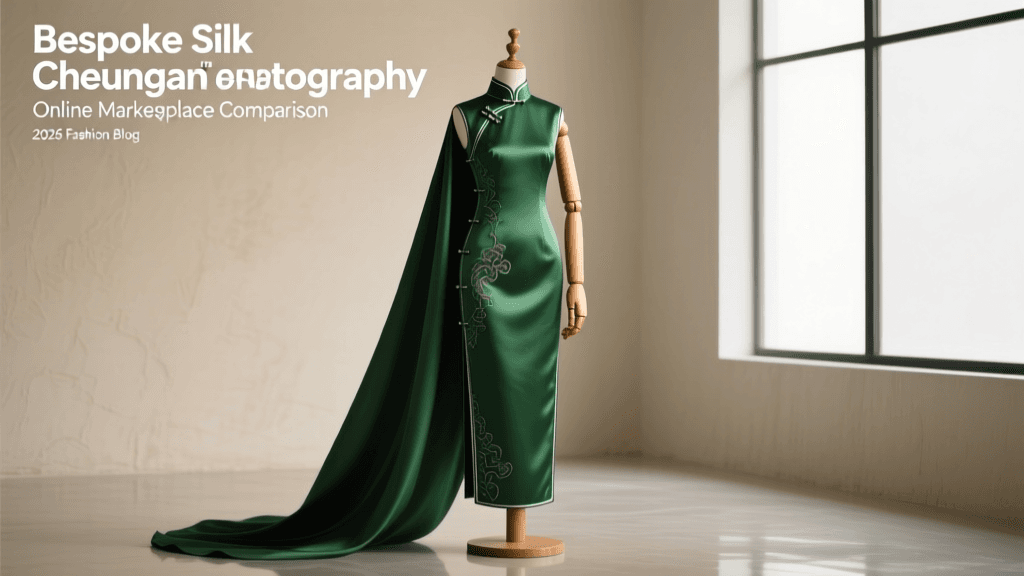
The cheongsam, historically rooted in the dynamic fashion shifts of 1920s Shanghai, has evolved into a global symbol of refined elegance and cultural heritage. According to Britannica's historical overview of the cheongsam, the garment's transition from a loose-fitting, modest robe to a form-fitting silhouette represents one of the most significant evolutions in modern Asian fashion history. Today, as we navigate the retail landscape of 2026, the demand for authentic, bespoke silk cheongsam (also known as the qipao) has surged among global consumers seeking meaningful, culturally rich wardrobes.
However, the proliferation of fast-fashion dropshippers, synthetic imitations, and AI-generated product imagery makes sourcing genuine, handcrafted pieces online a complex endeavor. A true bespoke cheongsam is not merely a dress; it is an architectural feat of textile engineering, requiring precise pattern drafting, hand-finished seams, and authentic natural fibers. This comprehensive 2026 guide will walk you through the best online marketplaces, how to verify silk authenticity, and the precise measurement techniques required for a flawless custom fit.
The 2026 Landscape of Online Cheongsam Marketplaces
Sourcing a custom silk cheongsam online requires navigating a fragmented digital marketplace. In 2026, buyers generally choose between three primary routes: massive Asian e-commerce platforms, global artisan marketplaces, and direct-to-consumer independent ateliers. Each route offers distinct advantages regarding price, communication, and tailoring authenticity.
Taobao and Tmall Global (The Direct Artisan Route)
For buyers willing to navigate a language barrier or utilize advanced browser translation extensions, Taobao remains the undisputed king of direct-from-artisan sourcing. In 2026, many heritage tailors based in Suzhou and Shanghai operate flagship stores on Tmall or specialized Taobao storefronts. Here, you can source heavy crepe de chine and intricate Xiangyunsha (gambiered gauze) directly from the weavers. The primary challenge is communication; precise custom tailoring requires nuanced discussions about fit, which can occasionally be lost in automated translation. Utilizing a sourcing agent or a bilingual concierge service is highly recommended for first-time buyers.
Etsy and Global Artisan Platforms
Etsy has matured significantly by 2026, implementing stricter verification processes to weed out mass-produced dropshippers. Searching for bespoke silk qipao on Etsy now yields a curated list of diaspora tailors based in North America, Europe, and Australia. While the base price is higher than sourcing directly from China, the advantage lies in seamless communication, localized consumer protection, and the ability to schedule virtual or in-person fittings. These tailors often blend traditional construction techniques with modern, Western-friendly sizing adjustments.
Direct Ateliers via Instagram and WeChat
A growing trend in 2026 is the rise of micro-ateliers operating exclusively through Instagram portfolios and WeChat mini-programs. These independent designers often specialize in modern, avant-garde interpretations of the cheongsam, utilizing sustainable silks and deadstock brocades. Sourcing from them requires a high degree of trust, as transactions often occur via direct invoice, but the resulting garments are unparalleled in contemporary design and exclusivity.
2026 Marketplace Comparison Chart
| Platform | Avg. Price (USD) | Lead Time | Best For | Authenticity Risk |
|---|---|---|---|---|
| Taobao / Tmall | $250 - $800 | 15 - 30 Days | Heritage fabrics, traditional cuts | Moderate (Requires vendor vetting) |
| Etsy Artisans | $600 - $1,500 | 4 - 8 Weeks | Modern fits, easy communication | Low (Platform guarantees) |
| Direct Ateliers (IG/WeChat) | $900 - $2,500+ | 6 - 12 Weeks | Avant-garde designs, exclusivity | High (Direct wire transfers) |
Demystifying Silk: Momme Weight and Weaves
When shopping for a silk cheongsam online, the term 'momme' (mm) is your most critical metric. Momme is the traditional unit used to measure the weight and density of silk fabric. According to guidelines aligned with Textile Exchange's fiber standards, understanding textile weight is crucial for assessing both the durability and the drape of natural fibers. A higher momme weight indicates a denser, more durable, and more opaque silk, which is essential for the structured nature of a qipao.
- 16 Momme: Lightweight and sheer. Generally unsuitable for a fully lined cheongsam as it lacks the structural integrity to hold the mandarin collar and frog buttons without excessive wrinkling.
- 19 Momme: The industry standard for luxury silk apparel. It offers a beautiful drape and decent durability, making it ideal for summer cheongsam or garments that will be worn for short, formal events.
- 22 Momme: Highly recommended for bespoke tailoring. This weight provides a rich, pearlescent luster, excellent opacity, and the durability required to withstand the tension of a form-fitting silhouette.
- 30+ Momme (Heavy Crepe or Brocade): Used for winter garments or highly structured, ceremonial pieces. It holds intricate embroidery exceptionally well but requires specialized, heavy-duty needles and expert tailoring.
In 2026, beware of listings that simply state '100% Silk' without specifying the momme weight or the specific weave (e.g., charmeuse, crepe de chine, or jacquard). Authentic heritage tailors will always provide the exact weave and weight, as these factors drastically alter the garment's behavior and cost.
The Crucial Art of Custom Measurements
Unlike Western bespoke suiting, which often relies on generous ease for mobility, a traditional cheongsam is designed to follow the body's natural lines with minimal, strategic ease. In 2026, top online tailors require a minimum of 14 distinct measurements to draft a pattern that accommodates the high collar and the iconic side slits without restricting movement or causing the silk to pull.
Key Measurements and Ease Allowances
| Measurement Area | Traditional Fit Ease | Modern/Comfort Fit Ease |
|---|---|---|
| Bust | + 1.5 inches | + 2.5 to 3.0 inches |
| Waist | + 1.0 inch | + 2.0 inches |
| Hips | + 1.5 inches | + 2.5 inches |
| Armhole Depth | Exact + 0.5 inches | Exact + 1.0 inch |
Furthermore, the 'hollow to hem' measurement is vital. The hem of a cheongsam traditionally falls at the mid-calf or just above the ankle. In 2026, many buyers opt for a contemporary tea-length or midi cut, but you must explicitly communicate your desired hemline relative to your hollow (the base of the neck) while wearing the exact heel height you intend to pair with the garment. The side slits (kaicha) must also be carefully measured; a slit that is too high compromises modesty when sitting, while a slit that is too low restricts the walking stride.
Navigating 2026 Shipping, Tariffs, and Care
International shipping logistics have stabilized in 2026, but cross-border e-commerce still incurs specific costs. When ordering a bespoke silk cheongsam from a Shanghai-based atelier, expect to pay an additional 10% to 15% for insured express courier services. It is also imperative to research your local import duties on luxury textiles, as customs agencies in North America and the EU have updated their de minimis thresholds for direct-to-consumer apparel imports this year.
Upon arrival, authentic silk requires meticulous care. Never machine wash a custom cheongsam. The structural integrity of the inner facings, the delicate hand-rolled hems, and the intricate frog buttons (pankou) will be destroyed by agitation. Always seek a dry cleaner who specializes in Asian traditional garments and explicitly point out the metallic threads or delicate embroidery to ensure they use the correct hydrocarbon solvents rather than harsh perc chemicals.
Conclusion
Investing in a bespoke silk cheongsam is an investment in wearable art and cultural preservation. By carefully selecting your marketplace, demanding transparency regarding silk momme weight, and taking rigorous, precise measurements, you can secure a garment that honors the rich legacy of Asian fashion while fitting your modern lifestyle perfectly. As the 2026 market continues to bridge the gap between heritage artisans and global consumers, the perfect custom qipao is more accessible than ever, provided you approach the process with an educated and discerning eye.