Geta & Zori Footwear Craft 2026: Artisan Buyer Guide
The Resurgence of Traditional Japanese Footwear in 2026
As global fashion continues to pivot toward mindful consumption, heritage preservation, and sustainable materials in 2026, traditional Japanese footwear has experienced a remarkable renaissance. No longer confined to summer festivals or ceremonial occasions, geta (wooden clogs) and zori (flat sandals) are being embraced by contemporary wardrobes worldwide. This revival is driven by a new generation of artisans who are blending centuries-old woodworking techniques with modern ergonomic science and eco-conscious materials. For collectors, cultural enthusiasts, and sustainable fashion advocates, understanding the craft behind these iconic garments is essential. This comprehensive guide explores the anatomy, artisan techniques, and modern buying considerations for traditional Japanese footwear in 2026.
The Anatomy of Geta and Zori
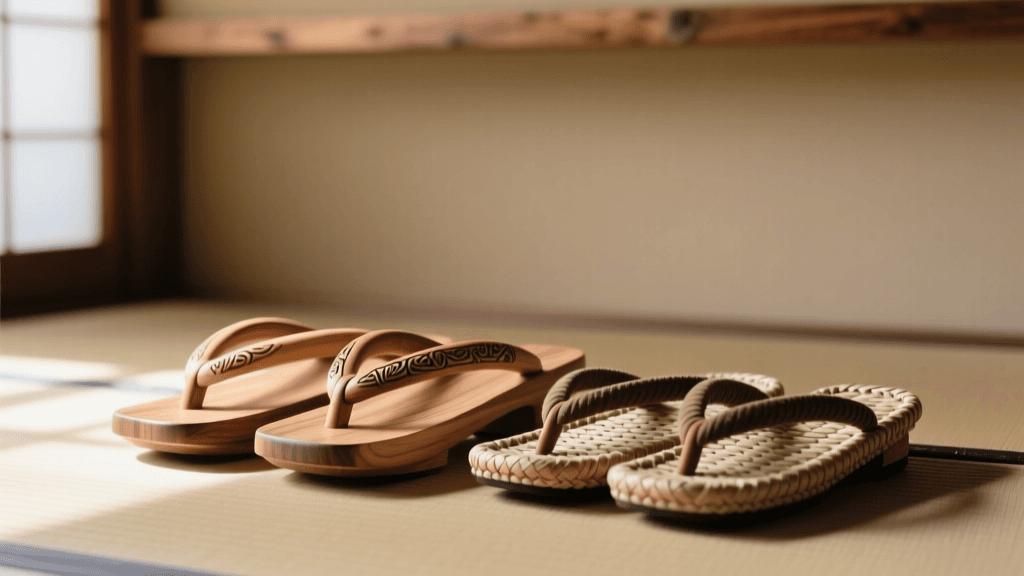
To appreciate the craftsmanship, one must first understand the structural components that define these garments. While they share the iconic V-shaped thong, their bases differ significantly.
Core Components
- Dai (Base): The main body of the footwear. In geta, this is a solid block of wood. In zori, it is a flat, often layered sole made from woven straw, leather, or modern synthetic cork.
- Ha (Teeth): Exclusive to geta, these are the wooden supports underneath the dai. Traditional styles feature two teeth, while modern artisan adaptations may feature a single central tooth or carved slanted teeth for better urban navigation.
- Hanao (Thong): The fabric strap that secures the foot. It passes through three holes in the dai and is knotted underneath. The hanao is the primary point of artistic expression, often featuring intricate weaving, silk brocade, or sustainable recycled textiles.
- Mae-tsubo (Front Knob): The point where the hanao emerges between the big and second toe, designed to sit flush against the skin without causing friction.
Sustainable Materials: The Paulownia Standard
The soul of a premium geta lies in its wood. In 2026, the gold standard remains Kiri (Paulownia) wood. Prized for its exceptional lightweight properties, natural rot resistance, and beautiful pale grain, Paulownia is sustainably harvested across Japan's managed forests. According to the Ministry of Economy, Trade and Industry, the designation of traditional craft products heavily emphasizes the sustainable sourcing of indigenous materials like Paulownia and bamboo.
Artisans in regions like Hida-Takayama and Niigata utilize a meticulous curing process. The wood is air-dried for up to three years to stabilize its moisture content, ensuring the dai will not warp or crack when exposed to the varying humidity of modern urban environments. In 2026, we are also seeing the rise of "reclaimed Kiri," where master carpenters repurpose wood from decommissioned traditional tansu (chests of drawers) to create limited-edition, zero-waste footwear bases.
The Art of the Hanao: Weaving and Ergonomics
The hanao is not merely a strap; it is a complex woven sleeve that protects a core cord. Historically, the core was made of twisted hemp or cotton, but 2026 innovations have introduced cores made from recycled marine plastics wrapped in organic cotton or vintage silk. This provides the tensile strength required for daily walking while maintaining the soft, breathable exterior necessary for barefoot comfort.
Master weavers adjust the tension of the hanao based on the wearer's foot arch. A bespoke fitting ensures that the thong grips the foot securely without requiring the toes to "claw" the base, a common issue with mass-produced, off-the-shelf sandals. The traditional color coding—red for unmarried women and black for married women—has largely given way to personalized, fashion-forward palettes, including indigo-dyed organic hemp and minimalist undyed linen.
Comparison Chart: Navigating Footwear Styles in 2026
Choosing the right style depends on your intended use, environment, and aesthetic preference. Below is a comparison of the primary traditional styles available from artisans today.
| Footwear Type | Base Material | Primary Use Case | 2026 Avg. Price (JPY) | Sound Profile |
|---|---|---|---|---|
| Koma-Geta (Standard 2-tooth) | Solid Paulownia | Festivals, casual summer wear, yukata pairing | 15,000 - 35,000 | Loud, iconic "clack-clack" |
| Senryou-Geta (Slanted single tooth) | Paulownia / Cedar | Urban walking, modern streetwear, daily use | 25,000 - 50,000 | Muted, rolling thud |
| Hon-Shitsu Zori (Formal) | Woven Igusa rush / Leather | Tea ceremonies, formal kimono, weddings | 30,000 - 80,000 | Silent, soft step |
| Setta (Leather-soled sandal) | Woven bamboo / Leather heel | Samurai-inspired fashion, martial arts, travel | 20,000 - 45,000 | Distinctive heel "snap" |
How to Measure and Order Bespoke Footwear
Ordering bespoke geta or zori from a Japanese artisan requires understanding traditional sizing, which differs fundamentally from Western shoe sizing. The most critical rule of traditional Japanese footwear is that the heel should slightly overhang the back of the base.
The Sizing Process
- Trace Your Foot (Kakidai): Stand on a piece of paper and trace the exact outline of your bare foot. Measure the distance from the tip of your longest toe to the back of your heel in centimeters.
- Subtract for Overhang: Artisans typically recommend a dai length that is 1 to 2 centimeters shorter than your actual foot length. This overhang prevents the heel from striking the back edge of the wood while walking, which can cause splintering and alters the center of gravity.
- Width Considerations: The width of the dai should closely match the widest part of your foot. A base that is too wide will catch on the opposite ankle during the walking stride.
- Hanao Placement: For bespoke orders, artisans will ask for the distance from the gap between your first and second toe to the center of your heel. This dictates exactly where the front hole is drilled, ensuring perfect biomechanical alignment.
Top Regions for Artisan Footwear
While you can find traditional footwear across Japan, specific regions hold historical monopolies on the highest quality craftsmanship. The Japan National Tourism Organization highlights several prefectures renowned for their enduring dedication to traditional apparel and woodworking.
- Hida-Takayama (Gifu Prefecture): Famous for its master woodworkers, this region produces some of the finest Paulownia geta bases in the country, utilizing techniques originally developed for shrine architecture.
- Kyoto: The epicenter of formal zori and luxury hanao weaving. Kyoto artisans specialize in pairing Nishijin-ori (brocade) textiles with formal zori bases for the tea ceremony and geisha communities.
- Shizuoka: Known for its high-quality igusa (rush grass) and bamboo weaving, producing exceptional lightweight summer zori and setta.
Care and Maintenance for Longevity
Properly maintained, a pair of artisan Paulownia geta can last for decades. The wood naturally darkens over time, developing a rich patina that is highly prized by collectors.
Essential Care Steps
- Moisture Management: If your geta get wet, wipe them immediately with a dry cloth and let them air dry in a shaded, well-ventilated area. Never place them near direct heat or in direct sunlight, as rapid drying will cause the Paulownia to split.
- Oil Treatment: Once a year, apply a thin coat of natural tung oil or specialized Paulownia wood wax. This nourishes the grain and provides a mild water-resistant barrier against urban puddles.
- Hanao Replacement: The fabric thong will naturally wear out before the wooden base. A hallmark of true traditional craftsmanship is that the hanao is designed to be replaceable. Most artisan shops offer a re-thonging service, allowing you to refresh the look of your footwear while retaining the perfectly molded wooden base.
- Teeth Protection: For those walking frequently on asphalt, artisans can apply a thin, discreet layer of vulcanized rubber to the bottom of the ha (teeth). This preserves the wood, provides slip resistance, and slightly dampens the sound for indoor or quiet neighborhood walking.
Conclusion: Stepping into the Future with Heritage
The landscape of traditional Japanese footwear in 2026 is a testament to the adaptability of heritage crafts. By marrying the sustainable, lightweight properties of Paulownia wood with modern ergonomic customization and eco-conscious textiles, today's artisans are ensuring that geta and zori remain relevant, functional, and beautiful. Whether you are seeking a formal pair of Kyoto-woven zori for a ceremonial event or a bespoke, single-tooth geta for everyday streetwear, investing in authentic craftsmanship connects you to a living history that continues to evolve with every step.