Kimono vs Hanbok vs Cheongsam: 2026 Formal Wear Comparison
The Resurgence of Traditional Asian Formal Wear in 2026
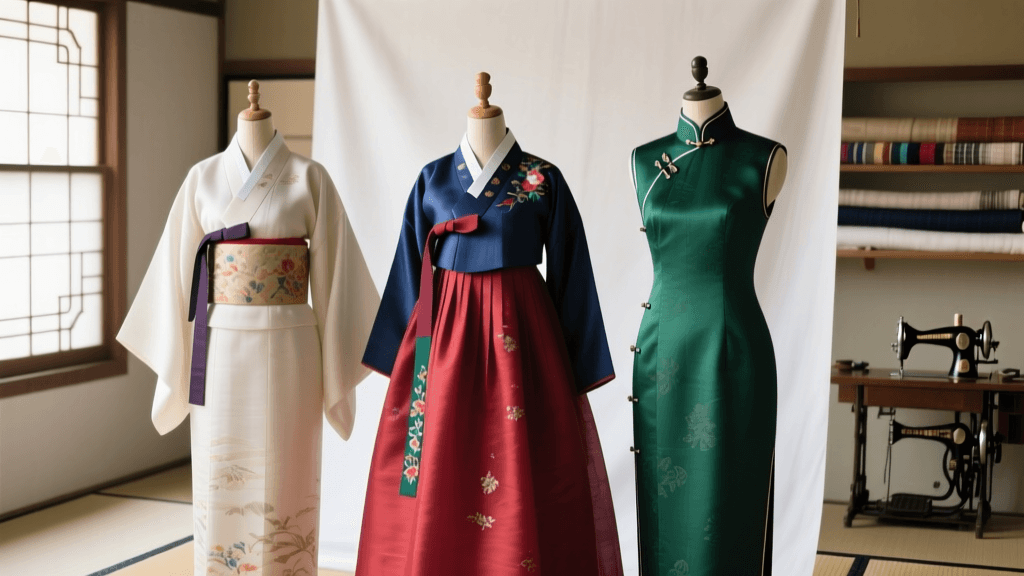
As global fashion continues to embrace heritage and artisanal craftsmanship in 2026, traditional Asian garments have transcended their historical boundaries to become highly sought-after formal wear for weddings, galas, and international red carpets. The kimono of Japan, the hanbok of Korea, and the cheongsam (qipao) of China each represent centuries of textile innovation, cultural philosophy, and structural mastery. However, for the modern consumer looking to commission or purchase authentic pieces, understanding the distinct construction methods, fabric requirements, and bespoke tailoring costs of these three garments is essential.
Navigating the luxury traditional wear market in 2026 requires a keen eye for authenticity. Fast-fashion imitations and synthetic blends have flooded the market, making it crucial to understand what constitutes genuine artisanal work. This comprehensive guide compares the kimono, hanbok, and cheongsam, breaking down their unique silhouettes, modern styling applications, and the real-world costs of commissioning bespoke pieces from master artisans this year.
The Kimono: T-Shaped Elegance and Artisanal Silk
Construction and Silhouette
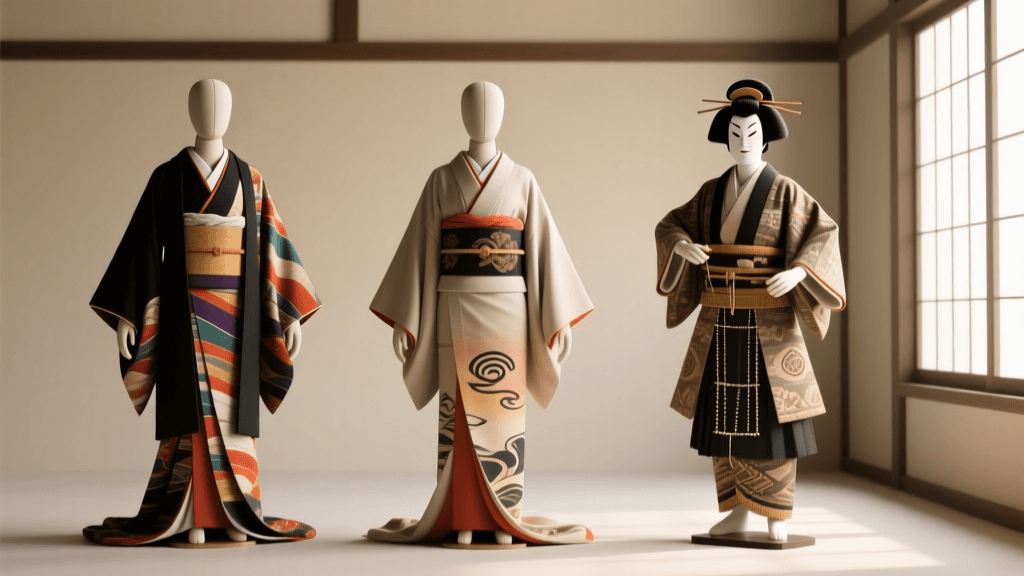
The Japanese kimono is defined by its T-shaped, straight-line construction. Unlike Western tailoring, which relies on darts and curved seams to contour the body, the kimono is constructed from rectangular panels of fabric, typically cut from a single bolt of silk known as a tanmono. This zero-waste approach to pattern making is a hallmark of traditional Japanese design. The garment is wrapped left over right and secured with an obi (sash), which is often as elaborate and expensive as the kimono itself.
In 2026, the most prized formal kimono is the kurotomesode (black crepe with hem patterns) for married women and the furisode (long-swinging sleeves) for unmarried women. The artistry lies not in the cut, but in the textile decoration. Techniques like Yuzen (resist dyeing) and Nishijin-ori (brocade weaving) take months to complete. For a deep dive into the historical foundations of these straight-cut garments, the Japan Guide's comprehensive overview of Kimono traditions remains an essential resource for understanding the strict rules of formality and seasonal motifs that still govern kimono wearing today.
2026 Bespoke Costs and Sourcing
Commissioning a bespoke, hand-painted silk kimono in 2026 is a significant investment. Due to the aging population of master dyers in Kyoto and Kanazawa, the cost of authentic Yuzen kimono has risen sharply.
- Bespoke Yuzen Furisode: $8,500 to $15,000+ (including hand-painted motifs and gold leaf application).
- Formal Obi (Nishijin Brocade): $3,000 to $7,000.
- Accessories & Dressing: Professional kitsuke (dressing) services for a formal event in 2026 average $150 to $250 per session.
- Lead Time: 4 to 8 months for custom weaving and dyeing.
Modern styling tip for 2026: Pair a vintage or bespoke silk kimono with a minimalist, contemporary obi-jime (cord) and subtle metallic zori sandals to bridge the gap between traditional formality and modern gala aesthetics.
The Hanbok: Volumetric Grace and Modern Adaptations
Construction and Silhouette
The Korean hanbok is celebrated for its vibrant colors, curved lines, and volumetric grace. The traditional women's hanbok consists of a jeogori (a short, cropped jacket) and a chima (a high-waisted, full bell-shaped skirt). The men's equivalent pairs the jeogori with baji (roomy, tie-waist trousers). The silhouette is designed to obscure the natural contours of the body, instead creating a flowing, architectural shape that moves beautifully with the wearer.
While traditional hanbok remains the standard for ancestral rites and major holidays like Chuseok, the gaeryang hanbok (modernized hanbok) has dominated the formal wear and wedding market in 2026. Modern tailors are utilizing structured organza, sustainable peace silks, and subtle metallic threads to create chima skirts that hold their bell shape without the need for heavy, traditional undergarments. The Metropolitan Museum of Art frequently highlights the structural brilliance of these garments; exploring the Metropolitan Museum of Art's Asian Silk Collection provides incredible insight into the historical evolution of Korean silk weaving and garment drapery.
2026 Bespoke Costs and Sourcing
Seoul's Bukchon and Insadong districts remain the epicenters for bespoke hanbok, though international shipping and virtual consultations have made commissioning from Korean artisans easier than ever in 2026.
- Bespoke Traditional Silk Hanbok (Myeongju Silk): $1,200 to $3,500 for a complete women's set (jeogori, chima, and under-layers).
- Modern Gaeryang Hanbok (Formal Evening Wear): $800 to $2,200, often incorporating European lace or contemporary embroidery.
- Men's Formal Hanbok (Durumagi overcoat included): $900 to $2,500.
- Lead Time: 3 to 6 weeks, significantly faster than Japanese kimono production due to different weaving and sewing methodologies.
The Cheongsam (Qipao): Sculpted Fit and Intricate Fastenings
Construction and Silhouette
Originating from the Manchu people and later popularized in 1920s Shanghai, the cheongsam (or qipao) is the antithesis of the kimono and hanbok in its approach to the human form. It is a highly tailored, form-fitting dress characterized by a mandarin collar, an asymmetrical front opening, side slits, and intricate pankou (knotted button) fastenings. The cheongsam requires master-level tailoring to ensure the garment skims the body perfectly without restricting movement.
In 2026, the most luxurious cheongsam are crafted from Xiangyunsha (gambiered silk), a rare, mud-coated silk from Guangdong province that is breathable, water-resistant, and develops a beautiful patina over time. The construction involves complex darting and bias cutting that Western tailoring only adopted decades after Shanghai's master tailors perfected it. For broader context on Asian textile preservation, the Victoria and Albert Museum's Asian textile archives offer a masterclass in the intricate embroidery and fastening techniques that define high-end Chinese garments.
2026 Bespoke Costs and Sourcing
While ready-to-wear cheongsam are widely available, a true bespoke qipao requires multiple fittings. In 2026, top-tier tailors in Shanghai, Hong Kong, and Singapore are booking months in advance for wedding and gala commissions.
- Bespoke Xiangyunsha Silk Cheongsam: $2,500 to $6,000 (fabric alone can cost $150 per yard due to its labor-intensive dyeing process).
- Standard Brocade or Heavy Silk Cheongsam: $1,200 to $3,000.
- Hand-knotted Pankou Buttons: Often priced à la carte, complex floral or zodiac knots can add $300 to $800 to the final bill.
- Lead Time: 4 to 8 weeks, requiring at least two to three in-person or highly detailed virtual fittings.
2026 Garment Comparison Chart
To help you decide which garment best suits your formal event, budget, and timeline, refer to the comparison matrix below.
| Feature | Kimono (Japan) | Hanbok (Korea) | Cheongsam / Qipao (China) |
|---|---|---|---|
| Silhouette | T-shaped, straight, wrapped | Volumetric, high-waisted, bell-shaped | Form-fitting, sculpted, side-slits |
| Primary Formal Fabric | Nishijin brocade, Yuzen dyed silk | Myeongju silk, structured organza | Xiangyunsha silk, heavy brocade |
| 2026 Bespoke Cost | $8,500 - $15,000+ | $1,200 - $3,500 | $1,800 - $6,000 |
| Tailoring Lead Time | 4 - 8 months | 3 - 6 weeks | 4 - 8 weeks |
| Mobility & Comfort | Restrictive; requires specific posture | Highly mobile; conceals body shape | Form-fitting; requires precise posture |
| Best For (2026) | Ultra-formal weddings, tea ceremonies | Cultural galas, modern weddings, parties | Red carpets, evening banquets, receptions |
Sourcing Authentic Textiles and Artisans in 2026
When investing thousands of dollars into traditional Asian formal wear, provenance is everything. In 2026, the market is saturated with machine-printed polyester masquerading as hand-woven silk. To ensure authenticity, always request a certificate of origin for the textile. For Japanese kimono, look for the official stamp of the Nishijin Weaving Association or the Kyoto Kanazawa Yuzen cooperative. For Korean hanbok, verify that the tailor sources from recognized domestic silk mills in Gyeongju or Andong.
Furthermore, the secondary and vintage market has become a vital avenue for collectors and formal wear enthusiasts. Auction houses in Tokyo, Seoul, and Hong Kong frequently release mid-century, unworn (deadstock) silk garments that possess a level of hand-embroidery that is economically impossible to replicate today. Whether you choose a sweeping Korean chima, a meticulously painted Japanese furisode, or a sculpted Shanghai qipao, understanding the structural and financial realities of these garments ensures your 2026 formal wardrobe is both culturally respectful and sartorially magnificent.