The Hanfu Revival: A Beginner's Guide to Building Your Wardrobe
The Roots of the Hanfu Yundong
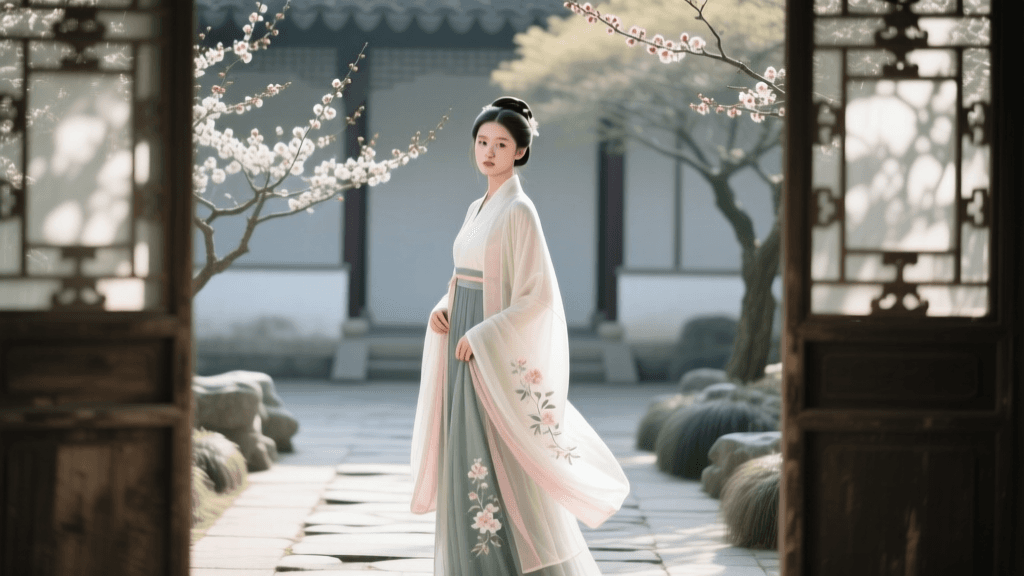
The Hanfu revival movement, known in Mandarin as Hanfu Yundong, is far more than a fleeting fashion trend or a cosplay subculture. It is a profound cultural renaissance driven by a desire to reconnect with pre-Qing dynasty Han Chinese heritage. The movement traces its modern origins back to 2003, when Wang Letian famously walked the streets of Zhengzhou in a traditional Hanfu, sparking a grassroots online community dedicated to historical garment reconstruction. Today, the movement has exploded into a multi-billion-dollar industry, heavily propelled by Gen Z consumers, social media platforms like Douyin and TikTok, and a growing sense of cultural confidence.
According to a BBC Culture report, the movement has evolved from a niche internet forum hobby into a mainstream lifestyle choice, with millions of young people wearing Hanfu for daily commutes, travel, and formal events. As noted by the South China Morning Post, the Hanfu market has seen exponential growth, with domestic brands meticulously studying archaeological textiles to produce historically accurate garments. For beginners looking to build their first authentic wardrobe, navigating the vast array of dynasties, silhouettes, and retailers can be overwhelming. This guide provides actionable advice to help you curate a historically informed, practical, and beautiful Hanfu wardrobe.
Choosing Your First Style: Song vs. Ming Dynasty
While the Tang dynasty is famous for its voluminous, opulent silhouettes and the Wei-Jin period for its flowing, ethereal robes, beginners are highly encouraged to start with either the Song (960–1279 AD) or Ming (1368–1644 AD) dynasty styles. These two eras offer the most practical, structured, and easily integrated garments for modern daily wear.
Song Dynasty: The Minimalist Summer Wardrobe
Song dynasty Hanfu is characterized by its slim, elegant, and understated silhouettes, reflecting the era's neo-Confucian emphasis on modesty and intellectual refinement. For modern wearers, Song style is the ultimate warm-weather wardrobe. The core ensemble typically consists of a Moxiong (a tube top or camisole), Songku (wide-legged, pleated trousers), and a Beizi (a long, open-front jacket with side slits). The Beizi is incredibly versatile; it functions similarly to a modern duster cardigan or lightweight trench coat. Because the garments are generally cut from breathable linen, ramie, or lightweight silk, they are perfect for summer commuting. A complete entry-level Song dynasty set can be worn with modern canvas sneakers or loafers without looking anachronistic.
Ming Dynasty: The Structured Winter Wardrobe
The Ming dynasty represents the zenith of traditional Han Chinese textile weaving and tailoring. Ming garments are heavily structured, regal, and feature intricate embroidery, making them ideal for autumn and winter, as well as formal occasions. The quintessential Ming piece is the Mamianqun (horse-face skirt), a wrap skirt featuring flat panels at the front and back with deeply pleated sides. It is typically paired with an Aoqun (a long-sleeved, lined jacket with a stand-up collar or crossed collar) or a Piling (a cloud-shouldered capelet). The Mamianqun has become a massive crossover hit in modern fashion; many young professionals pair a traditional Ming skirt with a crisp white button-down blouse or a modern turtleneck sweater for the office. A CNN Style feature highlighted how the Mamianqun has transcended the Hanfu community, appearing on international runways and in everyday street style across major Chinese cities.
Style Comparison: Song vs. Ming Dynasty Daily Wear
| Feature | Song Dynasty Hanfu | Ming Dynasty Hanfu |
|---|---|---|
| Primary Season | Spring / Summer | Autumn / Winter |
| Silhouette | Slim, columnar, flowing | A-line, structured, voluminous |
| Key Pieces | Beizi (jacket), Songku (pants) | Mamianqun (skirt), Ao (jacket) |
| Common Fabrics | Ramie, linen, light silk | Brocade, wool blends, heavy silk |
| Modern Versatility | High (pairs with modern tees) | High (skirts pair with sweaters) |
| Entry Cost (USD) | $35 - $70 | $60 - $150 |
Sizing and Measurements: Beyond Standard S/M/L
One of the most common mistakes beginners make when buying Hanfu is relying on standard Western sizing (S, M, L, XL). Traditional Chinese garments are cut using a flat-tailoring method, meaning they lack the darts, shoulder seams, and fitted armholes of Western clothing. Instead, they rely on fabric draping and ties. Therefore, purchasing Hanfu requires precise body measurements in centimeters.
Before browsing Taobao or dedicated Hanfu retailers, take the following measurements:
- Bust (胸围): Measure around the fullest part of your chest. For crossed-collar jackets, add 5-10 cm to your actual bust measurement to ensure the fabric crosses comfortably without pulling.
- Waist (腰围): Measure your natural waist. This is crucial for the Mamianqun, which sits at the natural waist or slightly above, not on the hips.
- Height (身高): Hanfu skirts and robes are categorized by height ranges (e.g., 155-160cm, 160-165cm). Buying a skirt meant for someone 10cm taller than you will result in tripping hazards, as traditional skirts are meant to graze the top of the foot.
- Arm Span / Sleeve Length: Ming dynasty jackets often feature Pipa sleeves (curved and wide). Ensure the sleeve length reaches past your wrist to maintain the elegant drape.
Budgeting, Brands, and Timing Your Purchase
The Hanfu market is segmented into distinct tiers based on historical accuracy, fabric quality, and brand prestige. Understanding where to allocate your budget is key to building a sustainable wardrobe.
Brand Tiers and Costs
- Budget / Entry-Level ($30 - $60): Brands like Shisanyu (十三余) and Lanshuiting offer beautiful, mass-produced sets. While they may take slight liberties with historical patterns (sometimes blending dynasty elements, known as 'Hanfu-inspired'), they are excellent for beginners testing the waters.
- Mid-Tier / Historical Accuracy ($80 - $150): Brands like Zhongzheng Hanfu (钟正汉服) and Yunshuige focus on strict adherence to historical textile patterns and flat-tailoring techniques. These are the best value for daily wearers who want authentic construction.
- High-End / Artisanal ($300 - $1,000+): Minghuatang (明华堂) is the gold standard for Ming dynasty reproduction. Using authentic silk brocades and meticulous hand-finishing, these garments are considered investment pieces and wearable art, often requiring months of pre-order wait times.
Timing and Sourcing
To maximize your budget, time your purchases around major Chinese e-commerce festivals. The 6.18 Shopping Festival (June) and Singles Day (November 11) offer the steepest discounts, often 20% to 30% off, along with free gifts like hair accessories or embroidered pouches. For international buyers, purchasing directly from Taobao via shopping agents like Superbuy or Sugargoo is the most cost-effective method, allowing you to consolidate shipping and access domestic-only brands.
Modern Styling and Essential Etiquette
Wearing Hanfu in the modern world requires a blend of historical respect and contemporary practicality. The most critical rule of Hanfu etiquette is Jiaoling Youren (交领右衽), which translates to 'crossed collar, right over left.' When wearing a crossed-collar jacket, the left side of the garment must always cross over the right side, forming a 'y' shape at the neckline. Wrapping it right-over-left is historically reserved for the deceased and is considered highly inauspicious.
For footwear, you do not need to wear traditional embroidered cloth shoes unless attending a formal photoshoot. For daily wear, Ming dynasty Mamianqun pair beautifully with modern leather Chelsea boots, Mary Janes, or minimalist white sneakers. Song dynasty trousers look excellent with modern loafers. When it comes to hair, elaborate historical updos can be time-consuming. Many modern Hanfu enthusiasts opt for simple half-up hairstyles secured with a single jade or wooden hair stick (簪子), striking a perfect balance between historical homage and modern convenience. By starting with versatile Song or Ming pieces, taking accurate measurements, and respecting the foundational rules of the garment, you can seamlessly integrate the beauty of the Hanfu revival into your everyday life.