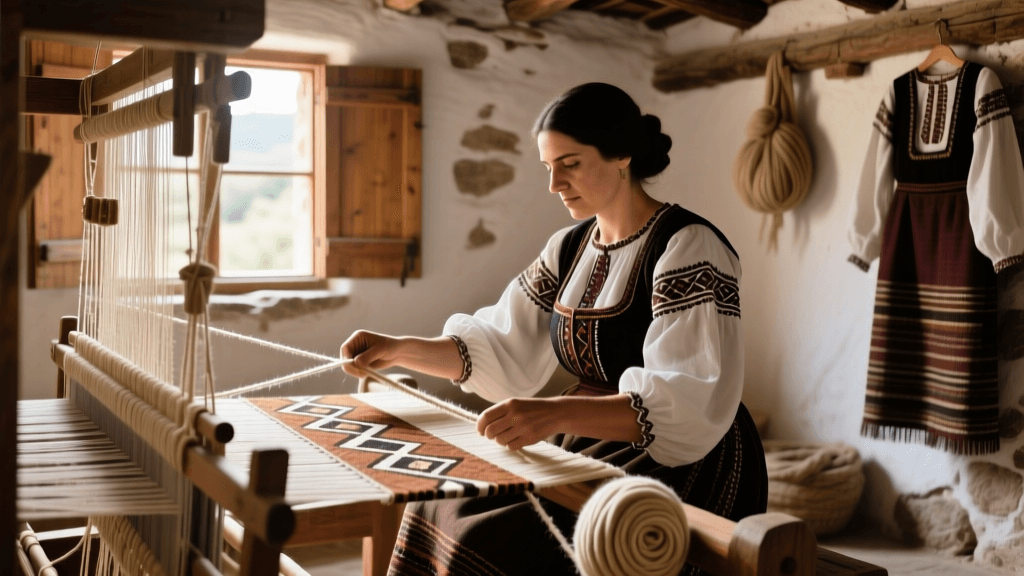
Bavarian Tracht and Norwegian Bunad Regional Guide 2026
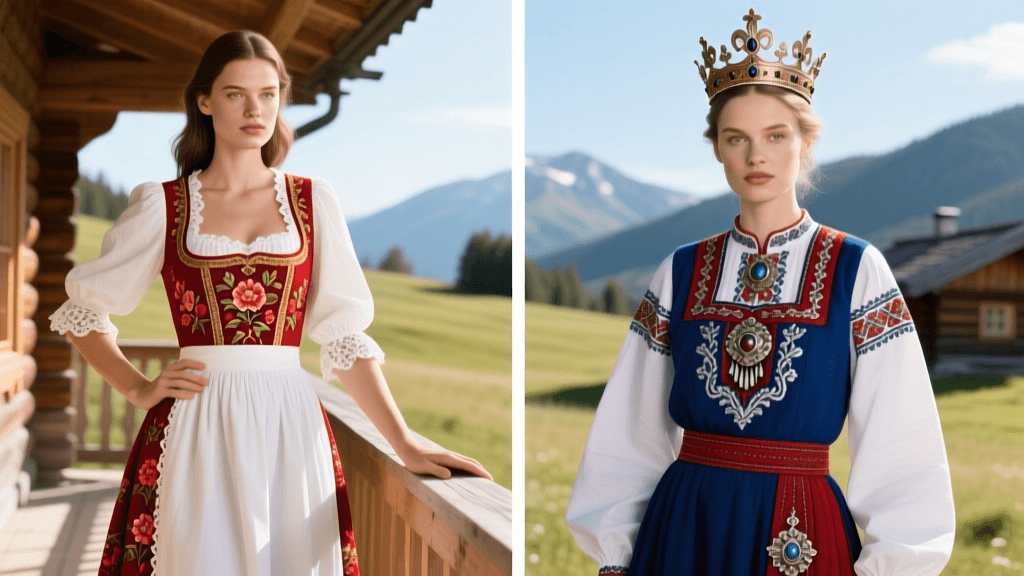
The 2026 Renaissance of European Regional Dress
As we navigate the global fashion landscape of 2026, the demand for authentic, culturally rooted garments has reached an all-time high. Moving far beyond mass-produced tourist souvenirs, traditional European folk dress is experiencing a profound renaissance driven by sustainable textile movements, artisanal preservation, and a deep yearning for regional identity. Among the most iconic and meticulously preserved of these traditions are the Bavarian Tracht of the Alpine regions and the Norwegian Bunad of Scandinavia. While both serve as powerful symbols of national and regional pride, their construction, historical evolution, and contemporary usage differ vastly. This comprehensive guide explores the intricate textiles, regional variations, and 2026 market realities of these two monumental pillars of European folk dress.
Bavarian Tracht: Authenticity Beyond the Festival Tent
When discussing traditional German and Austrian dress, the term Tracht encompasses a wide variety of regional garments. However, the global imagination is most captivated by the Alpine styles, specifically the Lederhosen for men and the Dirndl for women. In 2026, the Tracht movement has firmly rejected the cheap, synthetic costumes often associated with international beer festivals, favoring instead historically accurate, hand-crafted garments that reflect true Alpine heritage.
Regional Variations: Miesbacher vs. Werdenfelser
The Alpine Tracht is not a monolith; it is deeply tied to specific valleys and municipalities. The Miesbacher Tracht, originating from the Miesbach district in Upper Bavaria, is characterized by its elegant restraint. Men wear dark, intricately embroidered Lederhosen with a distinctive green velvet trim, while women don silk or fine wool Dirndls with elaborate Weißstickerei (whitework embroidery) on the bodice and apron. Conversely, the Werdenfelser Tracht from the Garmisch-Partenkirchen region is known for its vibrant colors and heavier, more robust textiles, designed to withstand the harsher mountain climates. In 2026, artisanal cooperatives in these regions have seen a 40% increase in apprenticeships, ensuring that traditional hand-stitching techniques like the Smocking (Faltenlegen) are passed down to a new generation of makers.
The 2026 Sustainability Shift in Alpine Textiles
A major defining feature of the Tracht in 2026 is the industry-wide pivot toward ecological sustainability. Traditional Lederhosen are crafted from deer or chamois leather. Historically, the tanning process was highly toxic, but modern Bavarian tanneries have almost exclusively adopted advanced vegetable-tanning methods using chestnut and oak bark extracts. This eco-tanned leather is not only biodegradable but also develops a richer, more personalized patina over time. For the Dirndl, organic linen and peace silk have become the standard for high-end makers, dyed using natural botanical pigments such as madder root and woad, aligning heritage dress with contemporary eco-conscious values.
The Norwegian Bunad: Woven History and Strict Traditions
While the Bavarian Tracht allows for a degree of personal interpretation and modern adaptation, the Norwegian Bunad is governed by a much stricter set of cultural rules. The Bunad is not merely a folk costume; it is a meticulously reconstructed garment based on specific historical rural clothing from the 18th and 19th centuries. The Norwegian Museum of Cultural History plays a vital role in preserving the original textile fragments that serve as the blueprints for today's Bunad makers.
Hardangerbunad and Setesdalsbunad: A Study in Contrast
The Hardangerbunad, often referred to as the "first Bunad," originates from the Hardanger fjord region. It is world-renowned for its exquisite Hvit søm (whitework embroidery) and intricate cutwork techniques. The base fabric is typically a deep black or navy blue wool, providing a striking contrast to the brilliant white linen aprons and cuffs. In contrast, the Setesdalsbunad from the isolated Setesdal valley features a completely different aesthetic. It relies heavily on dark, heavy wadmal (a coarse, dense wool) adorned with vibrant, multi-colored wool embroidery and elaborate silver filigree. In 2026, the waitlist for a fully hand-woven Setesdalsbunad skirt can exceed three years, as the specific heritage sheep breeds required for the yarn are carefully managed to maintain genetic and textile purity.
Comparative Analysis: Tracht vs. Bunad in 2026
To understand the practical differences between these two regional garments, it is helpful to compare their core components, material requirements, and current market costs. The following table outlines the primary distinctions for women's formal regional dress in 2026.
| Feature | Bavarian Dirndl (Miesbacher Style) | Norwegian Bunad (Hardanger Style) |
|---|---|---|
| Primary Materials | Silk, organic linen, cotton, eco-tanned leather accents | Heavy woven wool, fine linen, silk velvet ribbons |
| Embroidery Technique | Floral motifs (Edelweiss, Gentian), Smocking, Whitework | Geometric and floral cutwork, Hvit søm (whitework) |
| Jewelry & Accessories | Silver charm chains, silk neckerchiefs, horn buttons | Elaborate silver Søljer (brooches), filigree crowns, cufflinks |
| Fit & Tailoring | Highly tailored to the individual's current measurements | Constructed with deep seam allowances for multi-generational resizing |
| 2026 Avg. Base Cost | €1,200 - €2,500 (excluding custom jewelry) | €4,500 - €7,000 (including mandatory silver and weaving) |
Accessories, Silver, and Symbolism
No European folk dress is complete without its accompanying accessories, which often carry deep symbolic meaning. In Bavaria, the Dirndl apron knot is a famous, albeit sometimes misunderstood, indicator of the wearer's relationship status. Tied on the left, it traditionally signifies the wearer is single; on the right, married or engaged; in the center, virginity (though this is largely a modern myth); and at the back, widowhood or the status of a waitress. In 2026, while younger generations may play with these semantics, traditionalists at events like the Oktoberfest or local Schützenfeste (marksmen's festivals) still adhere strictly to the code.
In Norway, the silver jewelry, or Sølje, is arguably the most valuable component of the Bunad. Historically, rural farmers used silver as a portable form of wealth, melting down coins to create intricate brooches that warded off evil spirits and displayed family prosperity. Today, the silver shortage and the rising cost of precious metals have made authentic, hand-forged Norwegian silver a significant investment. According to cultural heritage experts at the Germanisches Nationalmuseum and their Nordic counterparts, the preservation of these silversmithing techniques is now heavily subsidized by cultural grants to prevent the craft from disappearing in the face of mass-produced, 3D-printed imitations flooding the online market.
Sourcing and Caring for Heritage Garments
Acquiring an authentic Tracht or Bunad in 2026 requires patience, research, and a willingness to invest in slow fashion. For the Norwegian Bunad, buyers must typically go through authorized local Bunadtilvirker (Bunad manufacturers) who are certified by the Bunad- og folkedraktrådet (The Norwegian Council for Folk Costumes). These councils ensure that every stitch, dye lot, and silver clasp meets rigorous historical standards. It is highly recommended to avoid online marketplaces claiming to sell "authentic Bunads" at a fraction of the cost, as these are almost invariably imported costumes made from synthetic blends that violate the cultural integrity of the garment.
For the Bavarian Tracht, the best sourcing is done directly in the Alpine regions. Cities like Munich, Garmisch-Partenkirchen, and Salzburg host heritage boutiques where master tailors take over a dozen measurements to ensure the Lederhosen and Dirndl fit flawlessly. Caring for these garments is equally specialized. Wool Bunads must never be dry-cleaned with modern chemical solvents, which strip the natural lanolin from the heritage wool; instead, they require specialized airing, gentle brushing, and spot-cleaning with natural ox-gall soap. Similarly, eco-tanned Lederhosen should be kept away from direct heat and treated annually with natural beeswax conditioners to maintain the leather's supple, breathable qualities.
Conclusion: Wearing History in the Modern Era
The European folk dress landscape of 2026 is a testament to the resilience of regional culture. Whether you are donning the meticulously embroidered wool of a Hardangerbunad for Norwegian Constitution Day, or fastening the horn buttons of a sustainably crafted Miesbacher Lederhosen for an Alpine festival, you are participating in a living history. By supporting local artisans, respecting regional variations, and prioritizing sustainable, authentic materials, we ensure that these magnificent textile traditions will continue to thrive for generations to come.