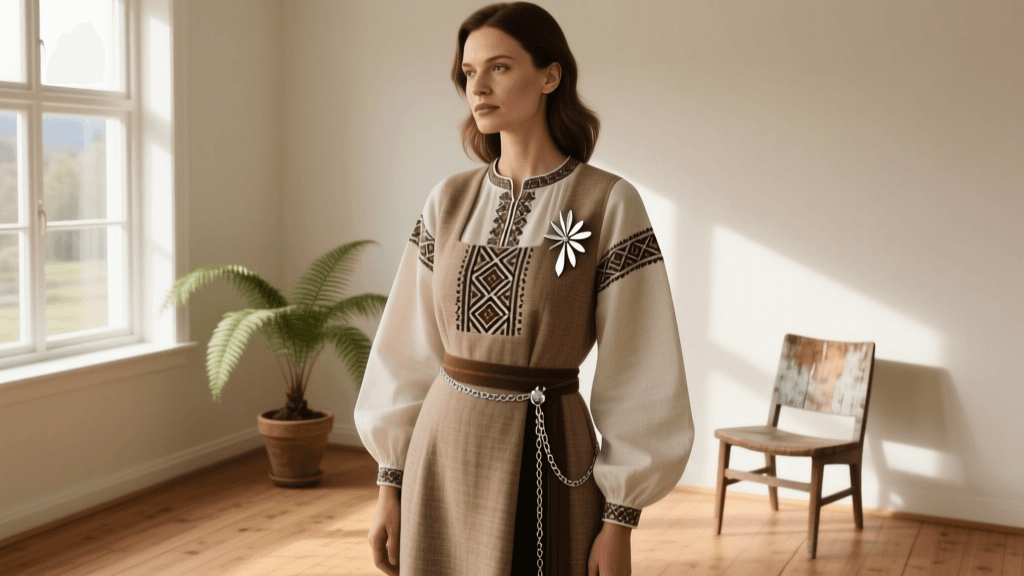
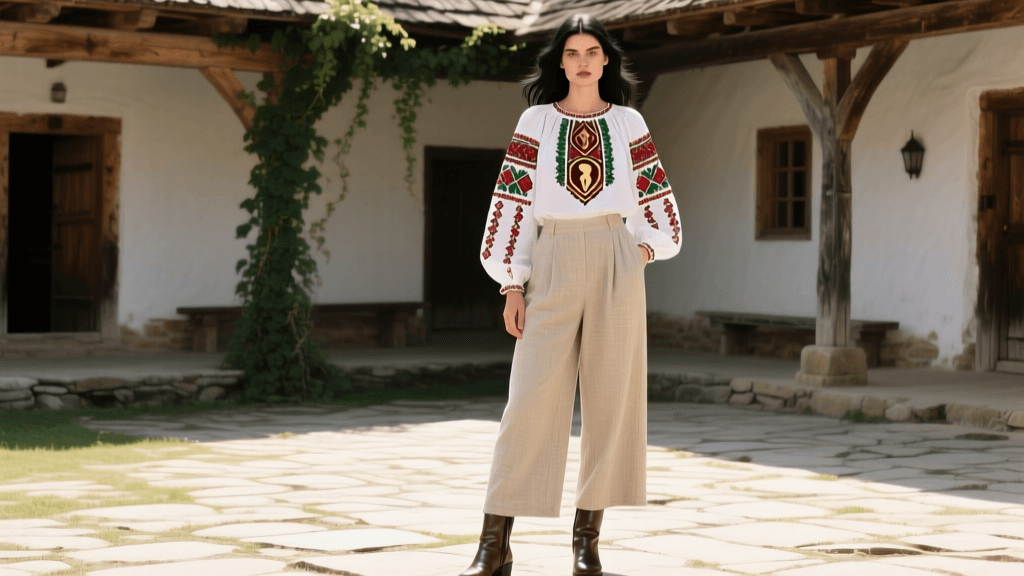
Authentic Bavarian Tracht And Norwegian Bunad 2026
The Resurgence of European Folk Dress in 2026
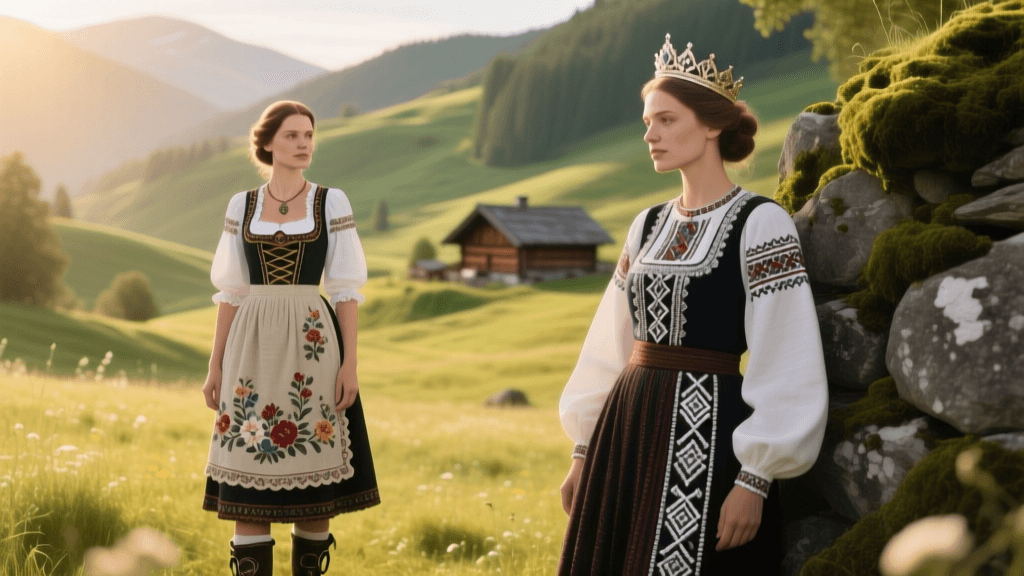
The year 2026 marks a pivotal moment in the preservation, study, and contemporary revival of European folk dress. As global fashion trends increasingly pivot toward sustainability, slow fashion, and cultural authenticity, traditional garments are experiencing a profound renaissance. When discussing traditional European folk costumes by country and region, two distinct traditions stand out for their rigorous adherence to historical accuracy, their deep regional specificity, and their vibrant contemporary presence: the Alpine Tracht of Bavaria and Austria, and the Norwegian Bunad. Far from being mere theatrical costumes or tourist souvenirs, these garments represent living textile traditions. According to the UNESCO Intangible Cultural Heritage frameworks, the safeguarding of traditional craftsmanship and community rituals is more critical than ever. In 2026, enthusiasts, historians, and artisans are collaborating to ensure that the intricate embroidery, specialized weaving, and regional tailoring techniques of these iconic garments are passed down to the next generation.
Bavarian and Austrian Tracht: Beyond the Beer Tents
The term 'Tracht' broadly refers to traditional, regional clothing in German-speaking countries, but it is most famously associated with the Alpine regions of Bavaria and Austria. While the global commercialization of Oktoberfest has led to a proliferation of cheap, mass-produced 'dirndls' and leather shorts, the authentic Tracht movement in 2026 is fiercely dedicated to historical accuracy and superior craftsmanship. Authentic Tracht is governed by regional 'Trachtenvereine' (traditional costume clubs) and strict historical societies that dictate the acceptable colors, fabrics, and silhouettes for specific valleys and towns.
Regional Variations: Miesbacher and Werdenfelser Tracht
To understand the depth of this tradition, one must look at specific regional variations. The Miesbacher Tracht, originating from the Miesbach district in Upper Bavaria, is considered one of the most elegant and recognizable. For women, the Miesbacher Dirndl features a bodice made of rich, dark silk or wool, paired with a heavily embroidered silk apron. The neckline is typically square, adorned with a delicate lace insert and a silver chain. Men wearing the Miesbacher Tracht don grey Loden wool jackets, crisp white linen shirts, and the iconic 'Lederhosen'—knee-breeches made from specially tanned deer or chamois leather, featuring intricate floral or hunt-motif embroidery on the front drop and suspenders.
Conversely, the Werdenfelser Tracht from the Garmisch-Partenkirchen region features distinct color palettes and heavier textiles, suited for the harsher alpine climate. In 2026, master tailors specializing in Werdenfelser garments report a surge in demand for bespoke, hand-stitched bodices and naturally dyed wool skirts, reflecting a broader consumer desire for traceable, eco-friendly luxury textiles.
The Norwegian Bunad: A Woven National Identity
If the Bavarian Tracht is a celebration of alpine rural life, the Norwegian Bunad is a profound expression of national and regional identity. The Bunad movement originated during the National Romantic period of the late 19th and early 20th centuries, spearheaded by cultural figures like Hulda Garborg, who sought to elevate rural folk clothing to the status of national dress. Today, the Norwegian Museum of Cultural History houses thousands of original garments that serve as the blueprints for modern reproductions. There are over 450 distinct, officially recognized Bunad variations in Norway, each tied to a specific geographic region, fjord, or valley.
Strict Regional Rules and the Sølje Silver
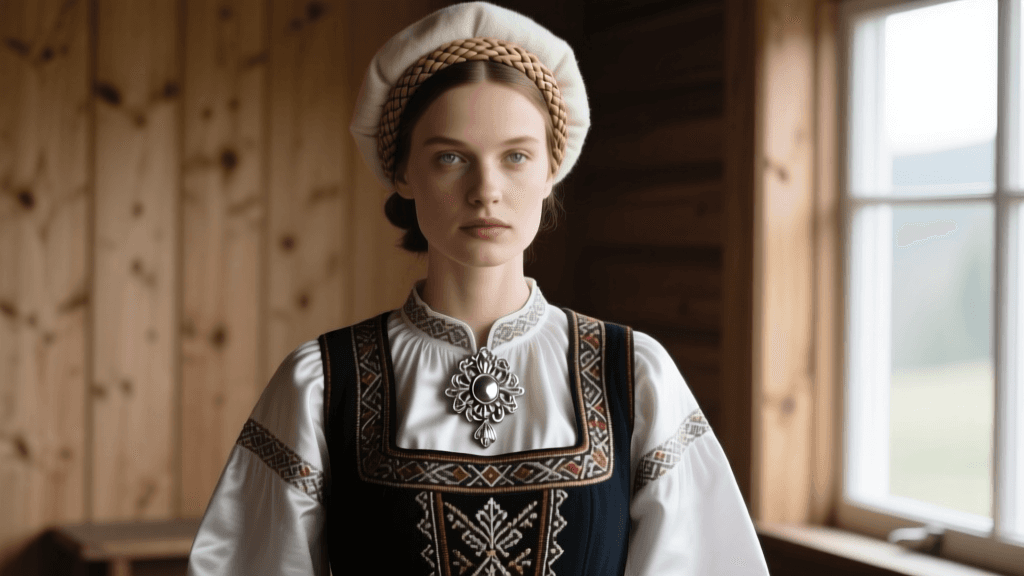
Unlike the Tracht, which allows for some personal expression in fabric choices and modern tailoring, the Bunad is governed by the 'Bunad- og folkedraktrådet' (National Council for Bunad and Folk Costume). This council ensures that every stitch, color, and silver fitting remains historically accurate to the specific region. For example, the Hardangerbunad, often called the 'national Bunad,' is characterized by its striking black, red, and white color scheme, intricate cross-stitch embroidery, and the distinctive 'skaut' (a structured white linen headdress worn by married women). The Setesdalsbunad, on the other hand, is heavily constructed from dark wool and features dramatic, oxidized silver clasps and bands.
A defining element of any Bunad is the 'sølje'—the traditional silver jewelry. In 2026, Norwegian silversmiths are seeing a revival in traditional forging techniques, creating elaborate neck rings, brooches, and belt buckles that feature oxidized silver, dangling charms, and sometimes semi-precious stones. The silver is not merely decorative; historically, it served as a portable form of family wealth and a talisman against evil spirits.
Comparative Analysis: Tracht vs. Bunad
While both traditions represent the pinnacle of European folk dress, their construction, governance, and cultural applications differ significantly. The following table outlines the core distinctions between the two traditions as of 2026.
| Feature | Bavarian / Austrian Tracht | Norwegian Bunad |
|---|---|---|
| Primary Governing Body | Regional Trachtenvereine (Clubs) | Bunad- og folkedraktrådet (National Council) |
| 2026 Average Custom Cost | €1,800 - €3,500 | 35,000 - 60,000 NOK ($3,500 - $6,000 USD) |
| Core Materials | Loden wool, deer leather, silk, linen | Heavy wool, linen, oxidized silver |
| Embroidery Style | Floral, hunt motifs, gold/silver thread | Geometric, cross-stitch, regional flora |
| Key Accessory | Gamsbart (chamois hair hat tuft) | Sølje (intricate silver jewelry sets) |
| Cultural Flexibility | High; allows for seasonal and personal variation | Low; strict adherence to historical regional patterns |
Sourcing Authentic Garments and Materials in 2026
For collectors, cultural practitioners, and heritage enthusiasts looking to acquire authentic pieces in 2026, navigating the market requires a discerning eye. The market is unfortunately saturated with fast-fashion 'costumes' that appropriate the silhouettes of folk dress without respecting the construction or materials. To acquire an authentic Bavarian Dirndl or a Norwegian Bunad, one must engage with certified master artisans and specialized ateliers.
- Loden Wool and Leather: For authentic Tracht, sourcing materials from heritage mills is essential. Austrian manufacturers like Steiner1888 continue to produce premium Loden wool using traditional fulling and felting techniques that make the fabric naturally water-resistant and windproof. For Lederhosen, only 'Sämisch' tanned leather (brain-tanned or oil-tanned using traditional methods) should be used, as it allows the leather to breathe and mold to the wearer's body over time.
- Bunad Textiles and Embroidery: Authentic Bunad wool is woven in specialized Norwegian mills, such as Hoels Veveri, which maintains the exact thread counts and dye lots required by the National Council. The embroidery is almost exclusively done by hand, requiring hundreds of hours of labor. In 2026, many buyers opt to take specialized embroidery courses to stitch their own Bunad skirts and bodices, a practice that deeply connects the wearer to the garment's heritage.
- Hardware and Silver: Mass-market pewter or plated metals are strictly avoided in authentic circles. Buyers must seek out registered silversmiths in regions like Oslo, Bergen, or Munich who cast and forge pieces using historical molds and traditional oxidation techniques.
Festivals and Cultural Revivals to Attend
The true beauty of European folk dress is experienced in motion, during the cultural festivals and seasonal rituals that give these garments their context. In 2026, several major events offer unparalleled opportunities to witness the Tracht and Bunad worn with pride and historical accuracy.
In Norway, the 17th of May (Syttende Mai or Constitution Day) is the most significant day of the year for the Bunad. Unlike the national days of many other countries, which feature military parades, the Norwegian celebration is centered around children's parades and community gatherings. Walking through the streets of Oslo or Bergen on this day, one is treated to a breathtaking, living mosaic of over 450 regional Bunads, showcasing the incredible diversity of Norwegian textile heritage.
In the Alpine regions, the 'Almabtrieb' (the ceremonial driving down of cattle from high alpine pastures) in late September is the premier event for Tracht. In towns across Tyrol, Salzburg, and Upper Bavaria, farmers and locals don their finest Miesbacher, Pinzgauer, or Zillertaler Tracht to celebrate the safe return of the herds. The visual spectacle of elaborately decorated cattle accompanied by locals in hand-embroidered silk aprons, feathered hats, and pristine Lederhosen is a testament to the enduring vitality of Alpine folk traditions. Furthermore, the Bavarian National Museum frequently hosts specialized exhibitions and symposiums throughout 2026, providing scholars and enthusiasts with access to rare archival textiles and expert lectures on the evolution of regional dress. By supporting these artisans, attending these festivals, and respecting the historical context of these garments, we ensure that the rich tapestry of European folk dress continues to thrive in the modern era.