Norwegian Bunad Revival 2026: Contemporary Styling Guide
The 2026 Bunad Revival: Tradition Meets Contemporary Fashion
European folk dress is experiencing a profound renaissance, and at the very forefront of this movement in 2026 is the Norwegian bunad. Far from being relegated to museum archives or occasional national holidays, traditional Scandinavian garments are being actively reclaimed by a new generation of wearers who value heritage, craftsmanship, and sustainability. The modern folk dress revival is not about wearing a costume; it is about integrating centuries-old textile traditions into contemporary wardrobes with intention and respect.
According to the Bunad- og Folkedraktrådet (The Norwegian Council for Folk Costumes), there has been a significant surge in demand for locally sourced, historically accurate materials over the past few years. In 2026, this translates to a massive shift away from mass-produced, imported synthetic blends toward hyper-local, sustainable supply chains. Wearers are now prioritizing organic wools, natural plant dyes, and artisan-forged silverwork, making the bunad a pinnacle of the slow fashion movement.
Hardangerbunad: Sustainable Textiles and Modern Sourcing
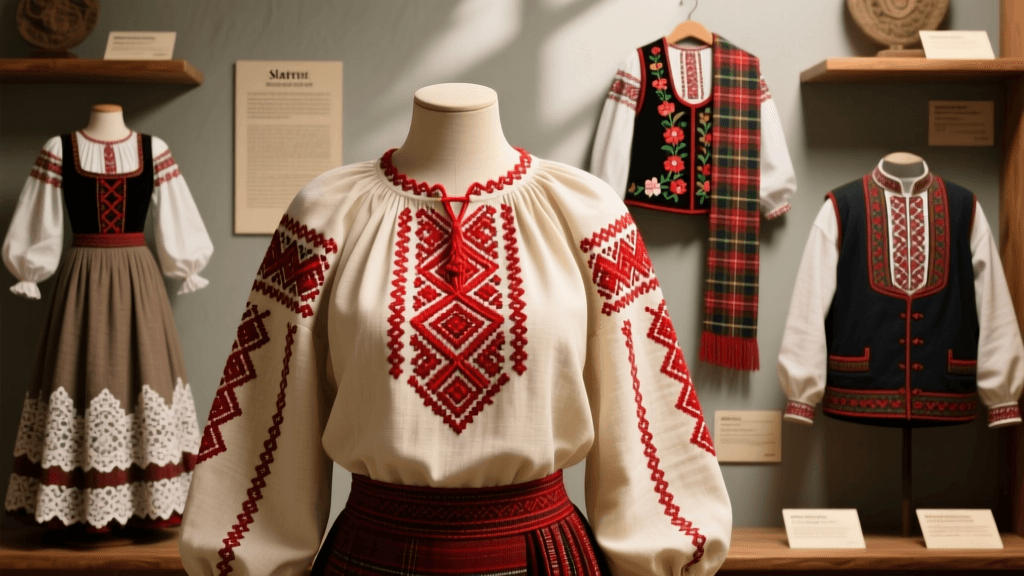
Often referred to as the 'first' bunad, the Hardangerbunad originated from the Hardanger region in western Norway. Its roots trace back to the national romanticism of the early 20th century, heavily influenced by Hulda Garborg, who championed the use of traditional rural clothing as a symbol of Norwegian identity. Today, the Hardangerbunad remains one of the most popular and recognizable folk dresses in the country, characterized by its striking black wool base, vibrant cross-stitch embroidery, and intricate smocking.
The 2026 Approach to Materials
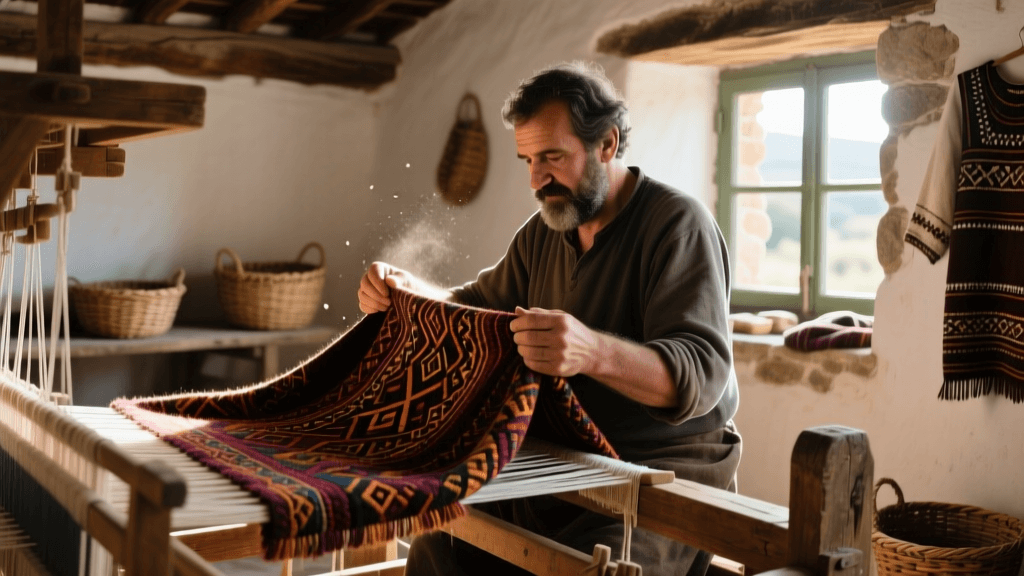
In 2026, the contemporary styling of the Hardangerbunad begins with the fabric itself. Modern makers and wearers are increasingly collaborating with local Norwegian sheep farmers to source wool from the Spælsau (Old Norwegian Short Tail Landrace) breed. This heritage breed produces a dual-layered fleece that is naturally water-resistant and incredibly durable. By choosing GOTS-certified organic wool dyed with traditional botanical sources like madder root for reds and woad for blues, today's wearers ensure their garments are environmentally sustainable while remaining historically grounded.
The smocking techniques, particularly the elaborate honeycomb patterns on the bodice and cuffs, are being revived through community workshops. The Norsk Folkemuseum (Norwegian Museum of Cultural History) has recently expanded its digital and physical archives, allowing contemporary embroiderers to study high-resolution scans of 18th-century aprons and bodices, ensuring that the geometric cross-stitch motifs are replicated with exacting precision.
Setesdalsbunad: Heavy Wool and Winter Styling
While the Hardangerbunad is a staple for spring and summer weddings, the Setesdalsbunad from the deep valleys of southern Norway is experiencing a massive revival for autumn and winter events in 2026. The Setesdal tradition is characterized by heavy, dark woolen fabrics, dramatic white embroidery, and striking vertical stripes on the skirts and trousers.
Contemporary styling for the Setesdalsbunad this year leans into its inherent coziness and architectural silhouette. For modern winter weddings and urban holiday festivals, wearers are pairing the heavy wool skirts with tailored, minimalist outerwear. Instead of traditional shawls, which can sometimes obscure the intricate silver brooches, 2026 styling trends favor structured, collarless wool coats in charcoal or deep navy that allow the elaborate sølje (silverwork) to take center stage.
Silverwork (Sølje): 2026 Market Trends and Sourcing
No European folk dress revival is complete without its accompanying metalwork. Norwegian silverwork, or sølje, is arguably the most vital accessory in the bunad ensemble. Historically, silver was a display of a family's wealth and was often used as a form of currency. In 2026, the market for bunad silver is distinctly divided between antique heirlooms and contemporary artisan pieces.
Below is a comparison of the silverwork sourcing options available to modern bunad enthusiasts this year:
| Silverwork Type | Characteristics & 2026 Trends | Average Cost (USD) | Best For |
|---|---|---|---|
| Antique Heirloom (Pre-1950) | Deep patina, historical imperfections, highly sought after by collectors. Requires specialized conservation. | $800 - $2,500+ | Purists and heritage collectors seeking authentic historical weight. |
| Modern Artisan Forged | Handcrafted by contemporary Norwegian silversmiths using traditional filigree and granulation techniques. | $600 - $1,500 | Wearers wanting new, bright silver with guaranteed ethical sourcing. |
| Cast Reproduction | Mass-produced molds based on historical designs. Often imported and lacking the crisp detail of hand-forged pieces. | $150 - $400 | Beginners on a strict budget (though frowned upon by traditionalists). |
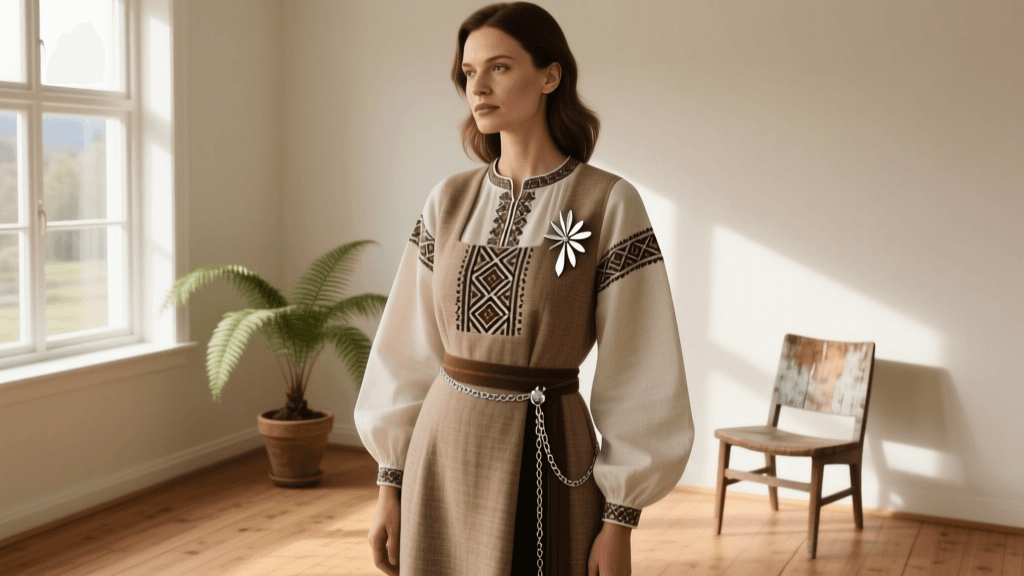
For the 2026 season, the Norges Husflidslag (Norwegian Home Crafts Association) strongly recommends investing in modern artisan pieces or restoring family heirlooms. The contemporary styling rule is 'less is more': rather than overloading the bodice with mismatched brooches, stylists recommend a single, high-quality halssølje (neck brooch) and a matching skjortelås (shirt clasp) to maintain a clean, elegant neckline.
Contemporary Styling Rules: What to Wear in 2026
Integrating a traditional folk dress into a modern aesthetic requires a careful balance of respect for the garment's history and personal contemporary flair. Here are the actionable styling guidelines for wearing the bunad in 2026:
- Footwear: The days of suffering in ill-fitting, mass-produced traditional shoes are over. In 2026, wearers are commissioning custom leather boots from local cobblers. Look for low-heeled, lace-up ankle boots made from vegetable-tanned leather that match the color of your bunad's embroidery threads or leather accessories.
- Hair and Makeup: The heavily teased, floral-crowned looks of the past decade have been replaced by minimalist, effortless styling. Soft, low chignons, natural waves, and bare-faced or 'no-makeup' makeup looks are the standard. The goal is to let the intricate embroidery and silverwork provide the visual drama, rather than competing with heavy cosmetics.
- Outerwear: For cooler weather, avoid synthetic puffer jackets at all costs. Invest in a traditional kyse (hooded cape) made from heavy, fulled wool, or a tailored, double-breasted wool overcoat that falls just below the hem of the bunad skirt.
- Accessories: Keep modern accessories to an absolute minimum. A smartwatch or modern smartphone should be tucked away in a discreet, historically inspired leather belt pouch rather than held in hand during formal photographs.
Garment Care and Preservation in a Modern Wardrobe
A bunad is a significant financial and emotional investment, often costing between $3,000 and $6,000 for a complete, hand-embroidered ensemble. Proper care is essential to ensure the garment survives for future generations.
First and foremost, never dry clean a bunad. The harsh chemicals used in modern dry cleaning can strip the natural lanolin from the wool, cause the botanical dyes to bleed, and tarnish the metallic threads in the embroidery. Instead, embrace traditional maintenance methods updated for modern living:
- Airing Out: After wearing your bunad, hang it outside in the shade on a breezy day. The natural antibacterial properties of wool, combined with fresh air, will eliminate odors without the need for washing.
- The Freezer Method: To protect against moth infestations—a growing concern as global temperatures shift—place your folded bunad in a breathable cotton bag and leave it in a deep freezer for 72 hours twice a year. This safely eliminates any moth eggs without chemical pesticides.
- Cedar and Lavender: Store the garment in a dark, climate-controlled cedar chest. Use unvarnished cedar blocks and dried lavender sachets to naturally repel insects. Avoid plastic garment bags, which trap moisture and promote mildew.
Conclusion: The Future of European Folk Dress
The European folk dress revival of 2026 proves that traditional garments are not static relics of the past. By embracing sustainable textiles, supporting local artisan silversmiths, and adopting a minimalist, contemporary approach to styling, modern wearers are breathing vibrant new life into the Norwegian bunad. Whether you are donning the intricate cross-stitch of the Hardangerbunad for a summer wedding or wrapping yourself in the heavy, striped wool of the Setesdalsbunad for a winter festival, you are participating in a living, evolving textile tradition that honors history while stepping confidently into the future.