Schuhplattler Dance & Authentic Bavarian Tracht Guide 2026
The Resurgence of the Schuhplattler in 2026
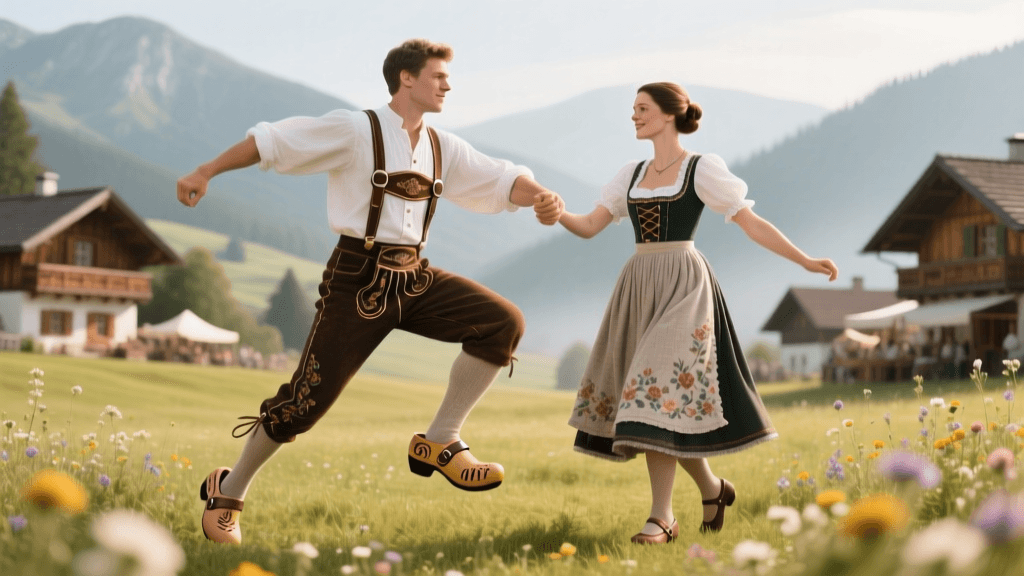
The traditional European folk dance revival has reached new heights in 2026, with the Bavarian Schuhplattler emerging as a global symbol of Alpine cultural heritage. Originally a courtship dance mimicking the mating ritual of the Auerhuhn (capercaillie), the Schuhplattler is characterized by its vigorous stomping, clapping, and striking of the thighs, knees, and shoes. However, as modern enthusiasts and cultural preservationists flock to regional Gaufeste (folk festivals) this year, a critical conversation has emerged regarding the intersection of dance biomechanics and authentic garment construction.
According to the Bayerischer Trachtenverband (Bavarian Tracht Association), the 2026 festival season has seen a strict crackdown on synthetic, mass-produced costumes in competitive dance rings. Authentic Tracht is not merely a costume; it is a highly engineered set of garments designed to withstand the physical demands of the dance while maintaining historical modesty and regional accuracy. This guide breaks down the essential elements of authentic Bavarian and Tyrolean folk dress required for the Schuhplattler, ensuring you are properly equipped for the 2026 festival circuit.
The Biomechanics of Folk Dance: Why Garment Construction Matters
The Schuhplattler requires a tremendous range of motion, rapid lateral movements, and repetitive high-impact strikes. A dancer’s hands must forcefully slap heavy leather shoes and thick woolen stockings up to sixty times per minute. If a garment is constructed with modern, rigid synthetic blends or incorrect tailoring, it will restrict the hip joint, tear at the seams during deep squats, or cause severe bruising to the dancer's legs. Furthermore, the auditory component of the dance—the sharp, resonant schnalzen (cracking) sound made when hand meets leather—can only be achieved with properly tanned, thick animal hides and solid wooden-soled footwear.
Men’s Tracht: Engineering the Perfect Lederhosen and Haferlschuhe
Hirschleder (Deerskin) and the 2026 Sustainability Standard
For male dancers, the foundation of the Tracht is the Lederhose (leather breeches). In 2026, the gold standard for dance-specific Lederhosen is Hirschleder (deerskin) or Sämischleder (chamois). These leathers are traditionally tanned using cod liver oil and oak bark, resulting in a material that is incredibly soft, breathable, and durable. Unlike cowhide, which can stiffen and cause chafing during repetitive thigh-slapping, Hirschleder moves with the body and absorbs impact. The 2026 sustainability mandate pushed by Alpine conservation groups requires that authentic Tracht makers source hides from regulated regional culls, ensuring ecological balance in the Bavarian and Tyrolean forests. A custom-tailored, hand-embroidered Hirschlederhose from a master Säckler (leatherworker) currently ranges from €650 to €950, an investment that lasts a lifetime.
Haferlschuhe: The Foundation of the Plattler Strike
No element is more critical to the Schuhplattler than the Haferlschuh. This traditional Bavarian shoe features a distinctive side-lacing system and a sturdy, stacked wooden heel. The side lacing is not merely decorative; it is a functional necessity. If the shoe laced in the front like a modern sneaker, the knots and eyelets would interfere with the dancer's hands during the rapid shoe-slapping sequences, causing pain and disrupting the rhythm. The thick leather upper and wooden sole provide the deep, resonant thwack required for the dance's percussion. In 2026, a pair of handmade Haferlschuhe from renowned makers like Meindl or local Alpine cobblers costs between €180 and €260.
Loferl and Charivari: Functional Accessories
Dancers wear Loferl (calf warmers), which are two-piece knitted wool sets consisting of a calf sleeve and a separate ankle sock. The thick wool protects the calves from bruising during the Wadenplattler (calf-slapping) sequences. Additionally, men often wear a Charivari (a silver chain adorned with hunting trophies and coins) across the front of the Lederhosen. For active dancers, the Charivari must be securely pinned to the leather drop-flap to prevent it from swinging wildly and causing injury during spins.
Women’s Tracht: Mobility and Modesty in the Dance Dirndl
The Mieder (Bodice) and Rock (Skirt) Proportions
The women's Dirndl for folk dance is vastly different from the commercialized versions sold at tourist shops. A dance-specific Dirndl consists of a heavily structured Mieder (bodice) that provides core support during rapid spins, and a Rock (skirt) tailored with precise pleating. For the 2026 festival season, the Trachtenvereine (traditional dress clubs) strictly enforce the "Midi" length rule for dancers: the skirt must fall exactly 60 to 70 centimeters from the waist, resting mid-calf. This length ensures that when the dancer executes the Drehen (spinning) sequences, the heavy cotton or wool skirt flares into a perfect bell shape without exposing the knees, maintaining historical modesty. The skirt must also be weighted at the hem to ensure it drops back into place instantly when the dancer stops.
Trachtenschnürschuhe and Hosiery
Female dancers eschew modern pumps or stilettos in favor of Trachtenschnürschuhe (traditional lace-up shoes). These shoes feature a low, wide block heel (no higher than 3 centimeters) and a sturdy leather sole designed for the rhythmic stomping that accompanies the male dancers' Plattler strikes. They are worn with thick, knee-high woolen stockings or intricately patterned Trachtenstrümpfe, which provide grip inside the shoe and cushion the feet during hours of dancing on cobblestone or wooden festival stages.
2026 Trachtenverein Dress Code & Cost Comparison
To help dancers and festival-goers budget for authentic attire, the following table outlines the required elements for a competitive Trachtenverein dance wardrobe in 2026, contrasting them with commercial alternatives.
| Garment Element | Dance Requirement (Authentic) | 2026 Avg. Cost (€) | Commercial / Tourist Alternative |
|---|---|---|---|
| Lederhosen | 100% Hirschleder, hand-embroidered, drop-flap | €650 - €950 | Synthetic split-leather, glued seams (€90) |
| Haferlschuhe | Full grain leather, side-laced, wooden pegged sole | €180 - €260 | Front-laced canvas/leather hybrid (€45) |
| Dirndl Skirt | Heavy cotton/wool, 65cm length, deep box pleats | €150 - €300 | Polyester blend, knee-length, gathered (€60) |
| Trachtenschnürschuhe | Sturdy leather, 3cm block heel, lace-up | €120 - €180 | Slim-heeled fashion pumps with buckles (€50) |
| Trachtenhemd / Bluse | 100% Linen or raw cotton, reinforced gussets | €70 - €120 | Thin synthetic chiffon or poly-blend (€25) |
Sourcing Authentic Garments and Festival Etiquette
As the Tiroler Volkskunstmuseum frequently highlights in its textile preservation exhibits, the survival of Alpine folk dress relies on supporting regional artisans. In 2026, buyers are encouraged to look for the "Echte Tracht" (Genuine Tracht) certification when purchasing garments, which guarantees regional manufacturing and traditional tailoring techniques. Avoid online fast-fashion retailers that misappropriate the Dirndl silhouette using cheap, non-breathable fabrics that pose a heat-stroke risk during crowded summer festival dances.
Etiquette at a 2026 Gaufest or Schuhplattler competition also dictates strict rules regarding headwear. Men wear a Trachtenhut (felt hat) adorned with a Gamsbart (a tuft of chamois hair). During the actual dance performance, male dancers traditionally remove their hats and hold them in their left hand or place them on the stage edge, as the wide brim would interfere with the arm movements required for the overhead strikes. Women typically wear their hair in a complex braided Zopf (braid) or a silk Tuch (scarf) pinned securely to withstand the centrifugal force of the spins.
Conclusion: Preserving the Rhythm of European Heritage
The Schuhplattler is far more than a tourist attraction; it is a living, breathing expression of European agrarian history, community solidarity, and textile mastery. As cultural organizations like Deutschland.de note, the intangible cultural heritage of regional folk dances relies entirely on the physical artifacts—the garments and shoes—that make the performance possible. By investing in authentic, sustainably produced Tracht in 2026, dancers and enthusiasts do more than protect their own bodies from the rigors of the dance; they actively fund the master cobblers, weavers, and leatherworkers who keep the heart of Alpine culture beating for the next generation.