Bavarian Tracht For Oktoberfest 2026: Folk Dance & Festival Guide
The Renaissance of Authentic Bavarian Tracht in 2026
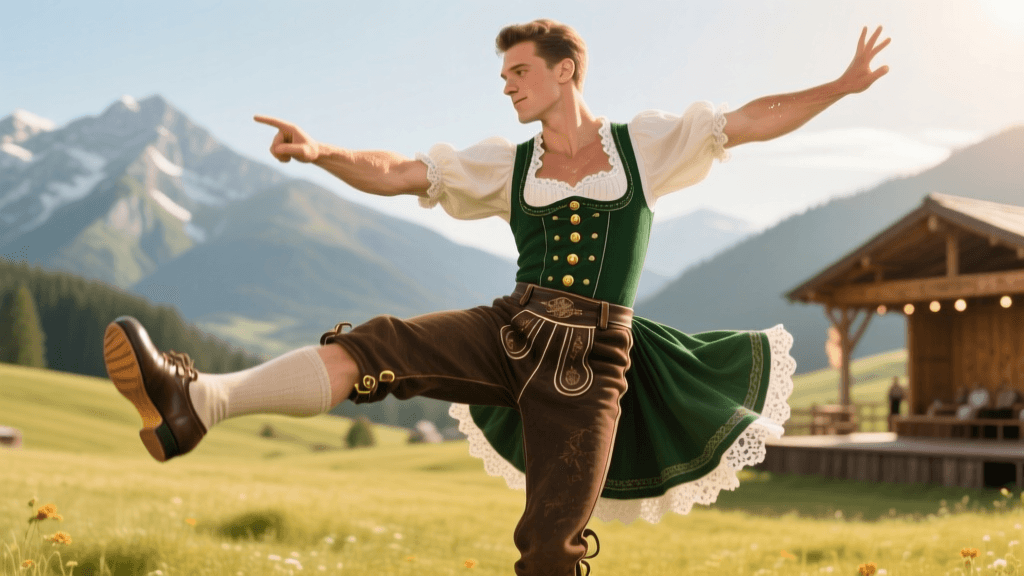
As we approach the 2026 Oktoberfest season, a significant cultural shift is evident across European folk dress communities. Festival-goers and folk dance troupes are increasingly abandoning mass-produced, synthetic 'party costumes' in favor of historically accurate, handcrafted Tracht (traditional Bavarian dress). This resurgence is heavily driven by the global revival of the Schuhplattler, a traditional Bavarian folk dance characterized by rhythmic thigh-slapping, high kicks, and rapid spinning. To perform these movements gracefully and safely, dancers require garments engineered for extreme mobility, breathability, and durability.
According to the Bayerischer Trachtenverband (Bavarian Tracht Association), the preservation of regional textile heritage relies on wearing garments that respect historical construction methods while accommodating the physical demands of modern folk dance. Whether you are a festival attendee planning to join the impromptu dances in the Oide Wiesn (Old Oktoberfest) tents or a dedicated performer, understanding the anatomy of dance-ready Tracht is essential for 2026.
Anatomy of Dance-Ready Lederhosen
For male dancers, the Lederhose (leather breeches) is the foundation of the Tracht. However, not all leather shorts are suitable for the rigorous Schuhplattler. The dance requires repetitive, forceful slapping of the thighs and knees, demanding a specific type of leather and tailoring.
Material and Tanning
Authentic dance Lederhosen are crafted from sämisch gegerbtes Hirschleder (brain-tanned or chamois-tanned deer hide). This traditional tanning process uses natural oils, resulting in a leather that is exceptionally soft, breathable, and washable. In 2026, master tanners in the Alpine regions continue to produce this leather with a thickness of exactly 1.0mm to 1.2mm. This specific gauge provides enough durability to withstand the friction of the dance while remaining supple enough to allow the leather to 'give' during high kicks.
Cut and Mobility Features
- The Drop Flap (Hosentürl/Latze): The traditional front flap is secured with horn buttons. For dancers, the lacing on the sides of the flap must be adjusted to allow for deep knee bends without restricting blood flow or tearing the leather.
- Gussets and Seams: Dance-specific Lederhosen feature reinforced double-stitched seams at the crotch and inner thigh. A diamond-shaped leather gusset is often inserted at the base of the fly to prevent seam blowouts during the wide stances required in the Plattler.
- Suspenders (Hosenträger): Authentic suspenders are made of matching deer hide and feature a cross-piece at the back (the Steg). Dancers prefer a wider cross-piece to distribute the weight of the heavy leather evenly during vigorous jumping.
Dirndl Construction for Festival Mobility
The female counterpart to the Lederhosen is the Dirndl, a dress consisting of a bodice (Mieder), blouse (Bluse), skirt (Rock), and apron (Schürze). While fashion trends often push for shorter hemlines and tighter bodices, authentic folk dance requires a completely different silhouette to ensure modesty, comfort, and historical accuracy.
The Skirt (Rock) and Twirling Mechanics
The most critical element of a dance-ready Dirndl is the skirt's circumference and length. For the rapid spins of the Schuhplattler, the skirt must be cut on the bias or feature deep, hidden box pleats. In 2026, traditionalists adhere strictly to the 'Midi' length. The hem should fall exactly at the bottom of the kneecap or slightly below. This length ensures that when the dancer lifts her arms and spins, the skirt flares beautifully without exposing the undergarments. A proper dance skirt requires between 3.5 to 4.5 meters of fabric in circumference to achieve the iconic 'bell' shape during a pirouette.
The Bodice (Mieder) and Blouse
The bodice must provide support without restricting diaphragmatic breathing, which is crucial for dancers performing high-energy routines. Authentic Mieder feature front-lacing or hidden hook-and-eye closures, heavily reinforced with internal boning made from natural materials like reed or steel. The accompanying blouse is typically made of fine linen or cotton batiste, featuring short puffed sleeves that allow the arms to move freely above the head without pulling the bodice out of alignment.
'The Dirndl is not merely a dress; it is a kinetic garment. The weight of the wool or linen skirt acts as a counterbalance during spins, a physical property that is entirely lost in modern, lightweight synthetic reproductions.' — Curator of Textiles, Bayerisches Nationalmuseum
The Apron Code (Schleife) and Festival Etiquette
Tying the Dirndl apron is a centuries-old communication system that remains strictly observed at authentic festivals like the 2026 Oktoberfest. According to official Oktoberfest cultural guidelines, the placement of the bow indicates the wearer's relationship status:
- Bow on the Left: Single and open to meeting people.
- Bow on the Right: Married, engaged, or in a committed relationship.
- Bow in the Center: Traditionally indicates a virgin or a young maiden (often worn by children or young women in traditional troupes).
- Bow in the Back: Widowed, or working as a waitress/staff member.
Footwear and Accessories for the Plattler
Footwear can make or break a folk dancer's performance. The traditional Haferlschuh is a sturdy leather shoe featuring a side-lacing system and a hobnailed or heavily treaded sole. For male dancers, the hobnails provide the necessary percussive 'click' when striking the wooden dance floors of Bavarian beer tents. Women wear Trachtenschuhe, which are low-heeled, closed-toe leather shoes with a wide base for stability during jumps.
Accessories also serve functional purposes. Men wear Loferl (calf sleeves made of wool or linen) to protect the shins from the repetitive slapping of the hands during the dance. The traditional Tirolerhut (Tyrolean hat), adorned with a Gamsbart (chamois hair tuft), must be fitted with an internal leather sweatband and secured with a hatpin to prevent it from flying off during head-tossing choreography.
Comparison: Mass-Produced vs. Authentic Maßtracht (2026 Market)
When investing in European folk dress for festivals and dance, understanding the market tiers is crucial. Below is a comparison of the 2026 Tracht market:
| Feature | Mass-Produced 'Party' Tracht | Authentic Maßtracht (Custom/Bespoke) |
|---|---|---|
| Primary Material | PU Leather, Polyester, Acrylic blends | Sämisch-tanned Deer/Goat Hide, Merino Wool, Linen |
| Dance Mobility | Poor (restrictive seams, lacks gussets) | Excellent (engineered for high kicks and spins) |
| Skirt Circumference | 1.5 - 2 meters (minimal flare) | 3.5 - 4.5 meters (full kinetic bell shape) |
| 2026 Average Cost | €60 - €150 | €900 - €1,800+ (Lederhosen); €600 - €1,200 (Dirndl) |
| Lifespan | 1-2 seasons (degrades quickly) | Generational (can be passed down and altered) |
Sourcing, Fitting, and Maintenance for 2026
Purchasing authentic Tracht requires visiting specialized Trachtenmoden boutiques in Munich, Salzburg, or Innsbruck, or ordering from certified online master tailors. When being measured for custom Lederhosen, ensure the tailor measures your thighs while you are in a seated, bent-knee position to account for muscle expansion during the dance.
Maintenance of brain-tanned leather is highly specific. Unlike chrome-tanned leathers, Hirschleder can be washed by hand using mild curd soap and lukewarm water. After washing, the leather must be stretched and massaged continuously while air-drying to maintain its supple texture. Never expose authentic Tracht to direct heat sources or radiators, as this will bake the natural oils out of the hide, causing it to crack and stiffen, rendering it useless for folk dance. Store your garments in a breathable cotton garment bag in a climate-controlled environment, utilizing cedar blocks rather than chemical mothballs to protect the wool and linen components.
By investing in historically accurate, functionally engineered Tracht, you not only elevate your festival experience but actively participate in the living preservation of European folk dress and dance traditions.