Schuhplattler Festival Tracht 2026: Dance Costume Guide
The Heartbeat of the Alps: Schuhplattler in 2026
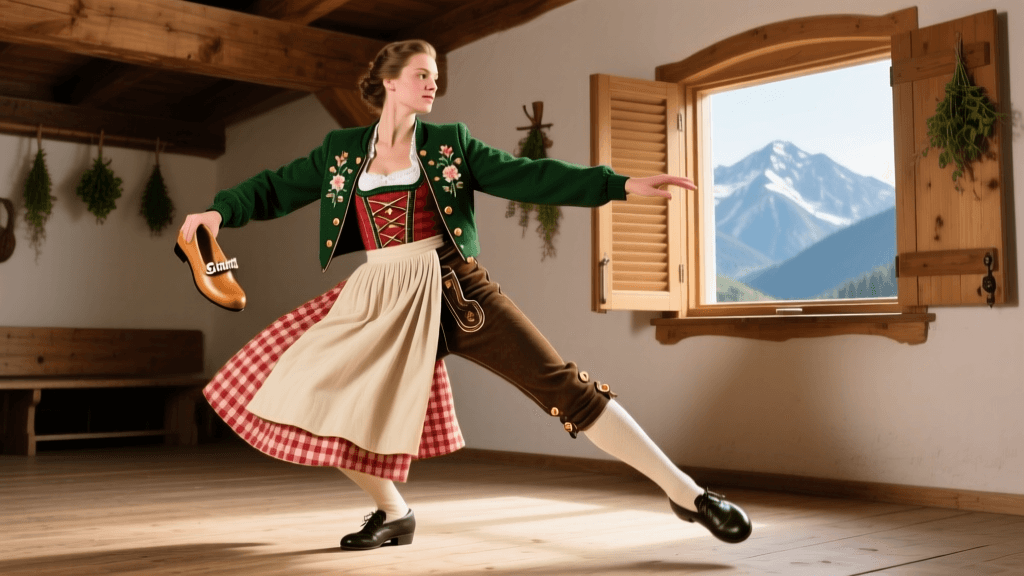
The Bavarian and Tyrolean Schuhplattler is far more than a simple folk dance; it is a rhythmic, athletic display of Alpine heritage that requires immense physical stamina, precision, and specialized clothing. Originating as a mimicking of the capercaillie (Auerhuhn) mating dance, this traditional routine involves vigorous stomping, leaping, and the percussive slapping of thighs, knees, and shoes. As we enter the 2026 Gaufest (regional folk festival) season, the intersection of historical accuracy and dance mobility has never been more critical for performers and enthusiasts alike.
For dancers participating in the 2026 festival circuit, wearing standard tourist-shop souvenirs is not an option. Authentic Tracht (traditional costume) must be engineered to withstand high-impact movement while maintaining the strict aesthetic codes of Alpine heritage. According to the Bayerischer Trachtenverband, the preservation of these regional costumes relies heavily on the continued use of traditional materials adapted for the rigorous demands of modern stage performances and open-air festival grounds.
Men’s Dance Tracht: Engineering the Perfect Lederhosen
The defining feature of the men's Schuhplattler is the Platteln—the rapid, forceful slapping of the legs. To execute this correctly and without injury, the leather breeches must offer a unique combination of durability and extreme flexibility. In 2026, master tanners in the Alpine regions have perfected the balance between historical tanning methods and the ergonomic needs of competitive dancers.
Leather Selection for High-Impact Movement
The cut of choice for the Schuhplattler is the Kurze Lederhose (short leather trousers), which ends above the knee. This is non-negotiable, as the bare thigh is required for the resonant slapping sound that defines the dance. However, the type of leather dictates the dancer's mobility and comfort.
| Leather Type | Thickness | Flexibility | Durability | 2026 Avg. Price (Bespoke) |
|---|---|---|---|---|
| Hirschleder (Deerskin) | 1.0mm - 1.2mm | Exceptional | High | €950 - €1,400 |
| Ziegenleder (Goatskin) | 0.8mm - 1.0mm | Superior | Medium | €700 - €1,000 |
| Rindsleder (Cowhide) | 1.5mm+ | Poor (Stiff) | Very High | €400 - €650 |
For the 2026 festival season, Hirschleder (deerskin) remains the gold standard for competitive dancers. It is incredibly soft, breathable, and molds to the dancer's body after just a few rehearsals, preventing the chafing that stiffer leathers cause during repetitive thigh-slapping. Cowhide, while cheaper and highly durable, is entirely unsuitable for the Platteln due to its rigidity and lack of acoustic resonance when struck.
Footwear: Haferlschuhe for Stage Grip
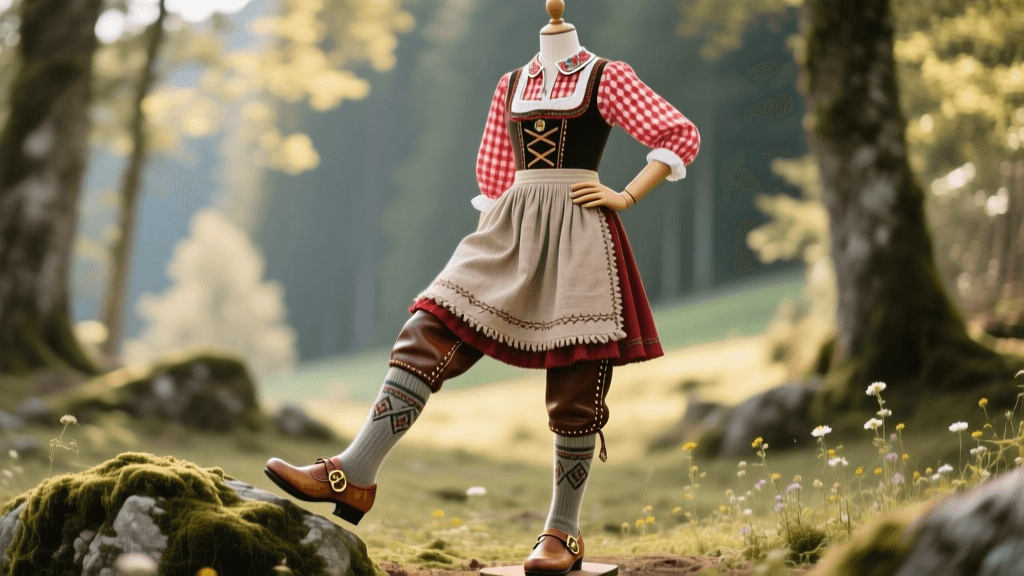
The traditional Bavarian Haferlschuh is characterized by its side-lacing and sturdy construction. For folk dance, the sole is the most critical component. In 2026, specialized cordwainers are offering hybrid soles for festival dancers: a traditional leather base for aesthetic authenticity, fitted with a micro-thin, high-friction vulcanized rubber insert at the ball and heel. This provides the necessary grip on polished wooden stages and slippery cobblestone festival grounds without compromising the traditional silhouette or the percussive sound of the stomp.
Women’s Dance Tracht: The Physics of the Spinning Dirndl
While the men provide the percussive rhythm of the Schuhplattler, the women provide the visual poetry through the Drehen (spinning). The female dancer's role requires rapid, continuous pirouettes, meaning the Dirndl must be constructed with an acute understanding of physics, centrifugal force, and textile weight.
Skirt Length and the 'Glockenrock' Effect
A common mistake for amateur festival attendees is wearing a Dirndl skirt that is either too long or too short. For traditional folk dance, the skirt length is strictly regulated by regional customs but generally falls just below the knee (approximately 75 to 80 centimeters from the waist). When the dancer spins, the heavy, pleated wool or cotton skirt flares out perfectly horizontally, creating the coveted Glockenrock (bell-skirt) effect.
In 2026, textile weavers are utilizing high-twist worsted wool blends that offer the necessary weight to flare beautifully, while resisting wrinkles and static cling. The waistband must be heavily reinforced with interior grosgrain ribbon to anchor the skirt firmly to the dancer's natural waist, preventing the garment from shifting or riding up during vigorous choreography.
Bodice Support and Blouse Breathability
The Mieder (bodice) of a dance Dirndl is not merely decorative; it acts as a core stabilizer. Authentic 2026 dance bodices feature internal steel or heavy synthetic boning, providing lumbar support that helps the dancer maintain perfect posture during rapid spins. The front lacing or hook-and-eye closures must be reinforced with metal grommets to withstand the tension of a tightly fitted bodice.
Beneath the bodice, the Dirndlbluse (blouse) must manage perspiration. While traditional cotton and linen remain popular, the 2026 festival season has seen a rise in organic bamboo-cotton blends. These fabrics offer the traditional matte, opaque appearance required by conservative Tracht codes, but provide modern moisture-wicking properties essential for performers dancing under the summer sun or hot stage lights.
2026 Sustainable Textile Trends in Alpine Festivals
The 2026 festival circuit has seen a massive shift toward eco-conscious Tracht. The Bayerisches Trachtenkulturzentrum has heavily promoted the use of regionally sourced, sustainable materials to preserve both the environment and local artisanal economies. Today's discerning dancers are seeking out Lederhosen tanned using natural bark extracts (vegetable tanning) rather than harsh chromium salts. Similarly, Dirndl skirts woven from organic, GOTS-certified Alpine flax and naturally dyed wools are dominating the festival grounds, proving that historical authenticity and modern ecological responsibility can seamlessly coexist.
Essential Accessories for the Festival Stage
No stage performance is complete without the proper accessories, which serve both aesthetic and functional purposes in folk dance.
- Tirolerhut (Tyrolean Hat): Made from loden wool, it must be fitted with an internal leather sweatband and a chin cord (Sturmriemen) to prevent it from flying off during leaps.
- Gamsbart: The traditional chamois hair brush on the hat. For dancers, a shorter, tightly bound Gamsbart is preferred so it does not obstruct vision during spins.
- Hosenträger (Suspenders): Must be crafted from the same leather as the trousers and feature a secure cross-brace at the back to prevent slipping during high kicks.
- Charivari: The decorative silver chain worn on the Lederhosen flap. Dancers often secure the dangling talismans with a micro-dot of museum wax to prevent them from swinging wildly and causing injury during the Platteln.
The 2026 Dancer's Festival Packing Checklist
To ensure a flawless performance at this year's Gaufest, every troupe member should verify the following items:
- Primary Hirschleder Kurze Lederhose (broken in for minimum 20 hours).
- Two pairs of heavy-knit wool calf warmers (Stutzen) to absorb sweat and protect shins.
- Stage-grip Haferlschuhe with fresh rubber inserts.
- Dirndl with reinforced Mieder boning and weighted Glockenrock hem.
- Backup Dirndlbluse in bamboo-cotton blend.
- Loden wool Tirolerhut with secured chin cord.
- Anti-chafe balm for thigh-slapping rehearsals.
Preparing for the 2026 Gaufest Season
Attending or competing in a Gaufest in 2026 requires meticulous preparation, not just in choreography, but in the curation of your traditional garments. The Schuhplattler is a living, breathing art form, and the clothing worn by its practitioners must honor the past while supporting the athletic demands of the present. By investing in properly tailored Hirschleder, structurally sound Dirndl bodices, and stage-appropriate footwear, dancers ensure that the visual and auditory spectacle of the Alpine folk dance remains as captivating in 2026 as it was centuries ago. Whether you are performing on the grand stage in Munich or at a local village square in Tyrol, respecting the textile traditions of the Tracht is the ultimate tribute to European folk heritage.