Schuhplattler Dance Costumes & Alpine Tracht Guide 2026
The Resurgence of the Schuhplattler in 2026
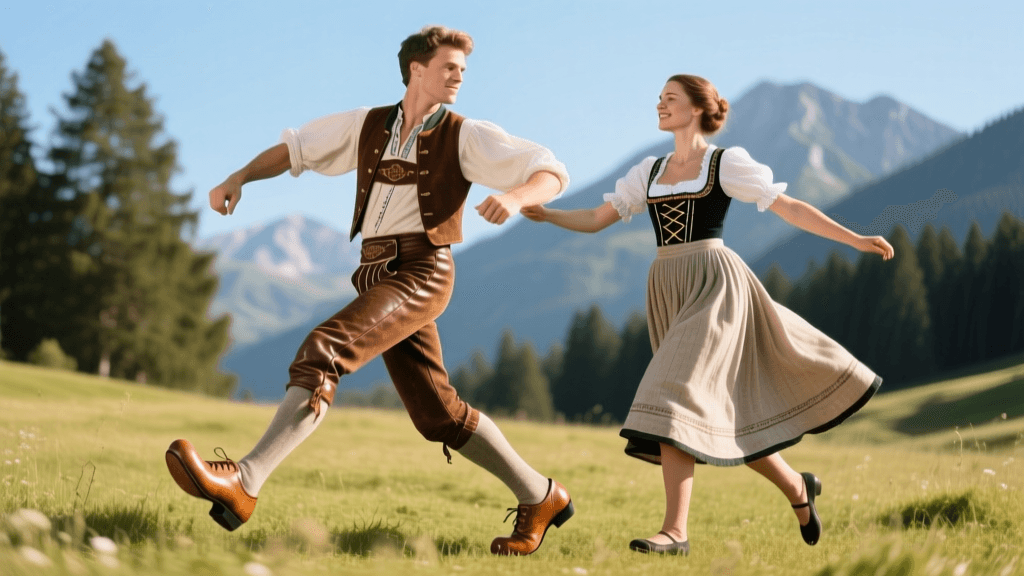
As the 2026 European folk festival season approaches, the demand for authentic, performance-ready Alpine Tracht has reached an all-time high. The Schuhplattler, a traditional Bavarian and Tyrolean courtship dance characterized by rhythmic stomping, clapping, and the striking of thighs and shoe soles, requires garments that are not only historically accurate but engineered for extreme physical exertion. According to the Deutsches Tanzarchiv Köln (German Dance Archive), the preservation of folk dance relies heavily on the functional integrity of traditional costumes. Modern festival-goers and competitive dance troupes alike are moving away from mass-produced 'party tracht' and investing in bespoke, durable garments that honor regional heritage while withstanding the rigors of the dance floor.
This comprehensive guide breaks down the anatomy of dance-ready Dirndls and Lederhosen, providing actionable measurements, material specifications, and sourcing timelines for the 2026 festival circuit, including the Maibaumaufstellen (Maypole dances) and the autumn harvest festivals.
Engineering the Dance-Ready Dirndl
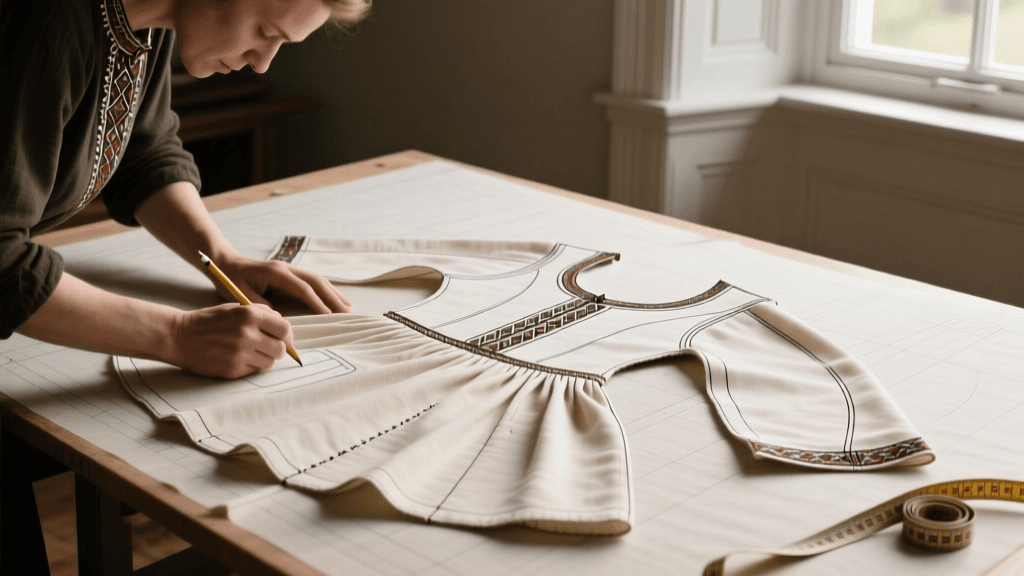
A standard fashion Dirndl will tear at the seams and restrict movement during the rapid spins and jumps of the Schuhplattler. A performance-grade Dirndl requires specific structural adjustments to ensure both modesty and mobility.
Skirt Circumference and Fabric Weight
The hallmark of a traditional Alpine folk dance is the 'flair'—the dramatic bell shape the skirt forms when the dancer spins. To achieve this in 2026, the skirt must be cut as a full circle or heavily gathered rectangle. The minimum hem circumference must be 300 centimeters (approximately 3.3 yards). Anything less will restrict the dancer's stride and fail to create the necessary visual impact. For fabric, heavy synthetic brocades are being phased out due to overheating under festival tent lights. Instead, 2026 trends heavily favor GOTS-certified organic cotton-linen blends or lightweight merino wool, which offer breathability, natural moisture-wicking, and enough weight to drape beautifully without tangling around the dancer's legs.
Bodice Structure and Lacing
The bodice (Mieder) must provide core support during vigorous jumping. Authentic dance bodices are reinforced with spiral steel boning or stiff hemp cording, rather than flimsy plastic zip-ties found in commercial costumes. The lacing must be done with a continuous, high-tensile silk or nylon cord, threaded through metal eyelets to prevent tearing during tight cinching.
The Apron Code and Etiquette
The apron (Schürze) is tied in a specific bow that traditionally signals the wearer's marital status. While modern festivals are more relaxed, competitive troupes and traditionalists adhere strictly to this code:
- Left side: Single and available.
- Right side: Married, engaged, or in a relationship.
- Center front: Traditionally indicates a young, unmarried woman (though less common today).
- Center back: Widowed, or the wearer is working as a waitress/staff member.
For dancers, the apron must be hemmed exactly two centimeters above the skirt hem to prevent tripping during stomping sequences.
Men’s Tracht: Lederhosen Built for the Slap
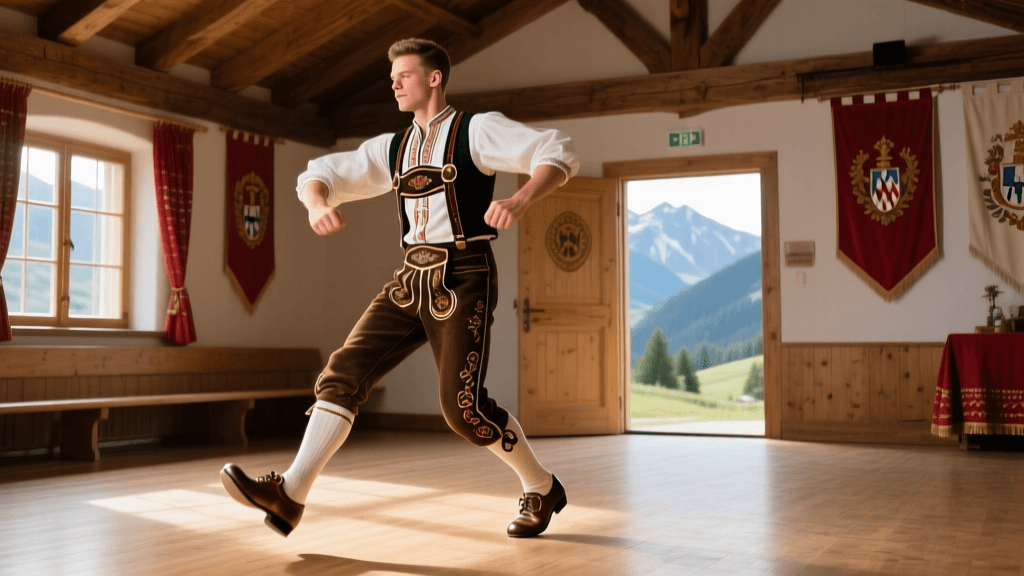
The male Schuhplattler dance involves repeatedly striking the thighs, knees, and the soles of the shoes with flat palms. This requires Lederhosen that act as both a protective layer and a percussive instrument.
Leather Selection and Thickness
The choice of leather dictates the sound and comfort of the dance. While deer leather (Hirschleder) is highly prized for everyday Tracht due to its softness, it is often too thick and muffles the sharp 'crack' required for the dance. For competitive Schuhplattler in 2026, goat leather (Ziegenleder) or chamois (Gamsleder) is the gold standard. The leather should be tanned to a thickness of exactly 1.0mm to 1.2mm. This provides the necessary durability to withstand thousands of strikes without bruising the dancer's thighs, while remaining thin enough to produce a resonant, echoing slap that cuts through the sound of the brass band.
Embroidery (Stickerei) Placement
Traditional Bavarian embroidery is intricate and beautiful, but raised, heavily padded thread work on the front of the thighs can cause severe friction burns on the dancer's hands. Performance Lederhosen feature flat-stitched embroidery (Plattstickerei) on the front panels, reserving the raised, three-dimensional embroidery for the back pockets and the suspenders where hand contact is minimal.
Suspenders (Hosenträger)
Heavy leather shorts will sag during jumps if not properly supported. Cross-back (X-style) or H-style suspenders made from the same 1.2mm goat leather are mandatory. They must be fitted with heavy-duty metal buckles rather than button-attachments, allowing for micro-adjustments mid-performance as the leather stretches with body heat.
Footwear: Haferlschuhe and Character Shoes
Footwear is arguably the most critical component of the Schuhplattler. The dance requires a delicate balance between sliding, stomping, and gripping.
Men’s Haferlschuhe
The traditional Bavarian shoe, the Haferlschuh, features a distinctive side-lacing system and a hobnailed or heavily treaded sole. For outdoor festival stages and cobblestone parades, traditional leather soles are too slippery. In 2026, master cobblers are fitting Haferlschuhe with hybrid Vibram rubber-leather soles, providing the traditional aesthetic with modern shock absorption and grip. The heel must be stacked leather, no higher than 2.5cm, to ensure stability during the 'plattler' stomps.
Women’s Character Shoes
Female dancers require sturdy character shoes or traditional Dirndl shoes with a block heel. Stiletto or thin heels are strictly prohibited in folk dance due to the high risk of ankle injuries during spins. The heel height should not exceed 5cm. Crucially, the shoe must feature an ankle strap (Spangenschuh) to prevent the shoe from flying off during high-kicks and rapid pirouettes.
According to guidelines published by the Bayerischer Trachtenverband (Bavarian Tracht Association), authentic regional footwear must be maintained with natural beeswax and pine resin to preserve the leather's flexibility and water resistance during damp autumn festivals.
Regional Variations: Miesbacher vs. Berchtesgadener
When commissioning a costume for 2026, dancers must select a specific regional style. Mixing elements from different regions is considered a major faux pas in traditional circles.
- Miesbacher Tracht: Originating from Upper Bavaria, this style features a grey-green loden jacket for men, dark blue or grey Lederhosen, and a Dirndl characterized by a high, square-necked bodice and a silk apron. It is the most common style seen at major Munich festivals.
- Berchtesgadener Tracht: Hailing from the Alpine southeast, this style is highly ornate. Men wear dark brown or black Lederhosen with vibrant, multi-colored floral embroidery (often featuring edelweiss and alpine roses). The women's Dirndl often includes a distinctive 'Biese' (pintuck) detailing on the bodice and a lace-trimmed blouse.
2026 Material & Cost Comparison Chart
The following table outlines the current market specifications and estimated costs for authentic, dance-grade Tracht components in 2026. Prices reflect bespoke tailoring and ethically sourced materials.
| Garment Component | Traditional Material | 2026 Dance-Optimized Material | Durability Rating | Estimated Cost (2026) |
|---|---|---|---|---|
| Dirndl Skirt | Heavy Wool / Brocade | Organic Cotton-Linen Blend (300cm width) | High | €180 - €250 |
| Dirndl Bodice | Cotton with Plastic Boning | Linen with Spiral Steel Boning | Very High | €220 - €350 |
| Lederhosen | Deer Leather (1.4mm) | Goat Leather (1.1mm) with Flat Embroidery | Extreme | €650 - €950 |
| Haferlschuhe | Full Leather Sole | Hybrid Vibram/Stacked Leather Sole | High | €190 - €280 |
| Suspenders | Standard Cowhide | Matched Goat Leather with Steel Hardware | Very High | €80 - €120 |
Sustainable Tracht: The 2026 Eco-Friendly Shift
A major trend defining the 2026 festival season is the demand for sustainable, traceable Tracht. Consumers and dance troupes are increasingly rejecting fast-fashion costumes imported from overseas, opting instead for garments that support local Alpine agriculture. Master tailors are now offering Dirndl blouses made from regenerative hemp-cotton weaves, and Lederhosen tanned using traditional alpine bark methods (Lohgerbung) rather than harsh chromium salts. This not only reduces the environmental footprint but also results in a leather that breathes significantly better during high-intensity folk dances.
Sourcing, Tailoring, and Festival Timelines
If you are planning to participate in the 2026 Schuhplattler circuit, advance preparation is non-negotiable. Bespoke Tracht tailors in Munich, Salzburg, and Innsbruck are currently operating on a six-to-eight-month lead time.
- January - February 2026: Finalize your regional style and book a measurement appointment with a certified Trachtenschneider (Tracht tailor). This is also the time to order custom Haferlschuhe, as cobblers require time to carve custom wooden lasts.
- April - May 2026: Attend your first fitting. The bodice and Lederhosen will be basted together for adjustments. This is critical for dancers, as the tailor must observe your range of motion, particularly the depth of your squat and the height of your thigh-slaps.
- July 2026: Final fitting and collection. You must wear your Haferlschuhe and Lederhosen for at least 20 hours around the house to break in the leather and allow it to mold to your body's unique contours before stepping onto the festival stage.
- September - October 2026: The peak festival season, culminating in the Oktoberfest and various regional Erntedankfest (harvest thanksgiving) celebrations. For official festival grounds and traditional tents, adherence to authentic Tracht is strictly enforced, and bouncers will deny entry to those wearing obvious costume-shop replicas.
For those navigating the massive crowds and specific dress codes of the Munich grounds, the official Oktoberfest portal provides up-to-date regulations on tent entry requirements and prohibited items. Investing in authentic, dance-engineered Tracht not only guarantees compliance but ensures you can fully immerse yourself in the rhythmic, percussive joy of the Schuhplattler, preserving a vital piece of European cultural heritage for the next generation.