Bavarian Miesbacher Tracht Vs Salzburg Dirndl: 2026 Guide
The 2026 Revival of Authentic Alpine Tracht
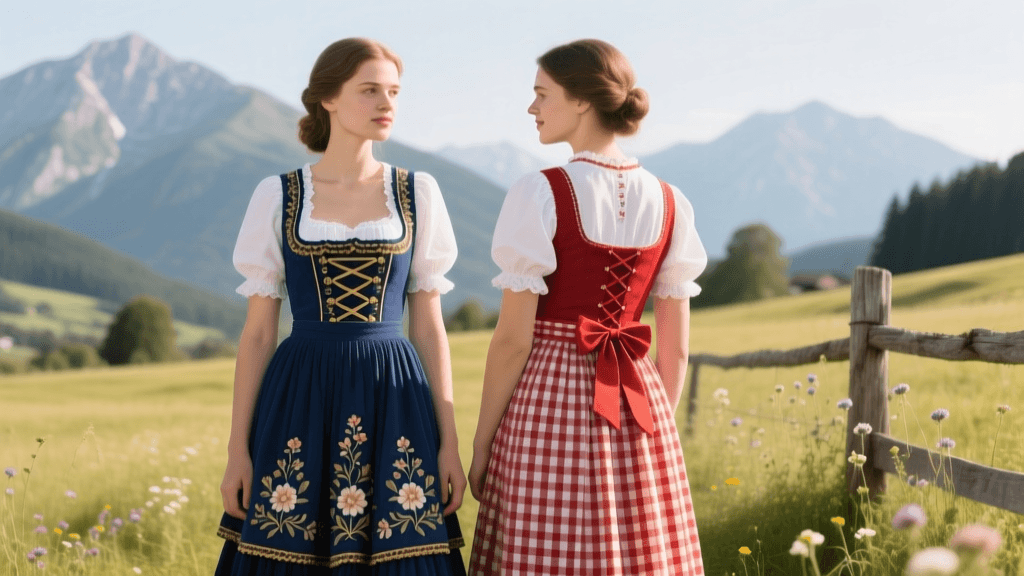
In 2026, the European folk dress landscape has experienced a monumental shift away from mass-produced, fast-fashion costumes toward authentic, regionally accurate garments. Nowhere is this more evident than in the Alpine regions of Germany and Austria, where the traditional folk dress—collectively known as Tracht—has seen a massive resurgence among younger generations. Today, wearing a dirndl or lederhosen is no longer reserved solely for Oktoberfest or rural festivals; it is a statement of cultural pride, sustainable fashion, and artisanal appreciation. However, to the untrained eye, a Bavarian dress and an Austrian dress might look identical. In reality, the devil is in the details. The Miesbacher Tracht of Upper Bavaria and the Salzburg Festtracht of Austria represent two distinct sartorial traditions, each with unique silhouettes, embroidery motifs, and historical contexts. This comprehensive 2026 guide explores the nuanced differences between these two iconic regional costumes, offering actionable advice for collectors, cultural enthusiasts, and those looking to invest in authentic heritage garments.
The Miesbacher Tracht: Bavaria’s Crown Jewel
Originating from the district of Miesbach in Upper Bavaria, the Miesbacher Tracht is widely considered the gold standard of Bavarian folk dress. According to the Bavarian National Museum, this specific regional style was codified in the late 19th century and has remained remarkably consistent in its core construction. For women, the Miesbacher Dirndl is characterized by a structured, often silk-based bodice that laces at the front or fastens with intricate silver hooks. The skirt is typically made of heavy wool or cotton, falling strictly below the knee—a stark contrast to the abbreviated, modernized festival dirndls. The apron, tied with a precise bow indicating the wearer's marital status, is often made of finely pleated linen or silk.
For men, the Miesbacher Lederhosen are legendary. Unlike the longer bundhosen (knee-breeches) worn in other regions, the Miesbacher variant is a short, above-the-knee leather trouser made from premium deer or chamois leather. The embroidery is highly specific: the Miesbacher pattern heavily features oak leaves and acorns, stitched in a technique that raises the leather. The outfit is crowned with the iconic Miesbacher hat—a green velvet hat adorned with a cord and, for special occasions, a rare eagle feather. In 2026, the demand for hand-embroidered Miesbacher lederhosen has outpaced the supply of master artisans, leading to wait times of up to nine months for bespoke commissions.
The Salzburg Festtracht: Austrian Alpine Elegance
Crossing the border into Austria, the Salzburg Festtracht offers a distinctly different aesthetic, heavily influenced by the region's aristocratic history and the world-renowned Salzburg Festival. While the Bavarian Tracht leans toward rustic, earthy practicality, the Salzburg dirndl embraces a more refined, almost courtly elegance. The bodice of a traditional Salzburg dirndl often features a wider, more modest neckline, sometimes adorned with delicate lace inserts or gold thread embroidery. The fabrics used in 2026 by top Salzburg ateliers favor rich brocades, damasks, and heavy silks, reflecting the city's musical and theatrical heritage.
The most striking accessory unique to the Salzburg and broader Upper Austrian region is the Goldhaube (golden bonnet). Worn by women for high festive occasions, this intricate headpiece is crafted from gold bullion embroidery on silk tulle, a craft that requires hundreds of hours of meticulous handwork. For men, the Salzburg equivalent to the lederhosen is often the Steireranzug (though originally from Styria, it is widely adopted in Salzburg for formal events) or a highly tailored, dark wool hunting suit featuring green facings and horn buttons. The Salzburg Museum notes that the preservation of the Goldhaube technique is currently a major focus for Austrian cultural heritage organizations, with new apprenticeships funded in 2026 to prevent the craft from fading.
Regional Comparison: Miesbach vs. Salzburg
Understanding the structural and stylistic differences between these two regions is crucial for anyone looking to purchase or study authentic European folk dress. Below is a detailed comparison chart highlighting the key distinctions as of 2026.
| Feature | Miesbacher Tracht (Bavaria) | Salzburg Festtracht (Austria) |
|---|---|---|
| Primary Silhouette | Structured, rustic, practical | Refined, courtly, elegant |
| Bodice Closure | Front lacing or silver hooks | Hidden hooks, modest lace inserts |
| Skirt Length | Strictly below the knee (mid-calf) | Ankle-length for formal Festtracht |
| Men's Trousers | Short Lederhosen (deer leather) | Bundhosen or tailored wool suits |
| Signature Headwear | Green velvet hat with eagle feather | Goldhaube (golden embroidery bonnet) |
| 2026 Bespoke Cost | €900 - €1,400 (Lederhosen) | €1,200 - €2,500 (Full Dirndl Set) |
Sourcing Authentic Garments in 2026
If you are looking to acquire authentic regional Tracht in 2026, you must bypass the tourist traps in Munich and Salzburg city centers. Authenticity is defined by material origin and construction methods. For a genuine Miesbacher Lederhosen, seek out master saddlers and leatherworkers in the Alpine foothills who use traditionally tanned chamois leather (Sämischleder). The tanning process uses natural fats, giving the leather a distinctive, washable suede-like finish that synthetic alternatives cannot replicate.
What to Inspect When Buying Tracht
- Button Material: Authentic garments exclusively use carved stag horn, bone, or forged metal. Plastic buttons are an immediate indicator of mass-produced fast fashion.
- Embroidery Depth: Hand-stitched leather embroidery should feel raised and slightly irregular. Machine embroidery lies perfectly flat and lacks the artisanal character of true Miesbacher work.
- Seam Finishing: Turn the bodice inside out. A genuine Salzburg dirndl will feature hand-felled seams and internal cotton tape reinforcements, whereas commercial versions will show raw, overlocked edges.
- Apron Fabric: High-end aprons are woven from pure linen or silk jacquard. If the fabric feels overly slippery or generates static electricity, it likely contains synthetic polyester blends.
When purchasing a Salzburg dirndl, look for ateliers that specialize in historical patterns. A true Salzburg bodice will feature internal boning and hand-finished seams. In 2026, the cost of authentic, made-to-measure Tracht reflects the premium on skilled European labor. A high-quality, ready-to-wear dirndl from a reputable regional brand will cost between €450 and €700. However, a fully bespoke ensemble, including a hand-embroidered apron and silk blouse, will easily range from €1,200 to €2,500. For men, bespoke lederhosen with hand-stitched oak leaf motifs start at €900, with intricate Charivari (silver chain accessories) adding another €300 to €600 to the final investment.
Textile Care and Heritage Preservation
Owning authentic European folk dress requires a commitment to proper textile care. The natural materials used in 2026's premium Tracht—such as raw silk, virgin wool, and naturally tanned leather—are highly sensitive to modern cleaning chemicals. Never dry-clean authentic lederhosen; the chemicals will strip the natural fats from the Sämischleder, causing it to crack and stiffen. Instead, traditional Bavarian practice dictates washing the leather gently by hand with mild curd soap and allowing it to air dry, followed by a meticulous hand-kneading process to restore its softness.
For the Salzburg Goldhaube, preservation is paramount. The gold bullion threads are prone to tarnishing if exposed to high humidity. Store the bonnet in a climate-controlled, acid-free archival box with silica gel packets to maintain a stable microenvironment. Silk dirndl skirts should be stored flat or rolled around acid-free tubes to prevent permanent creasing along the pleat lines. Additionally, silver Charivari chains must be polished regularly and stored in anti-tarnish cloth pouches to prevent sulfur oxidation, ensuring these heritage garments survive for the next generation.
Conclusion: The Future of Regional Dress
The distinction between the Miesbacher Tracht and the Salzburg Festtracht highlights the incredible diversity within European folk dress. As we move through 2026, the appreciation for these garments has evolved from mere nostalgic costume-wearing to a profound respect for regional identity, sustainable craftsmanship, and textile history. Whether you are drawn to the rugged, oak-embroidered leather of Upper Bavaria or the shimmering, gold-threaded elegance of the Austrian Alps, investing in authentic regional Tracht is a celebration of Europe's rich cultural tapestry. By understanding these regional nuances, you ensure that these ancient traditions continue to thrive in the modern era.