Authentic Alpine Tracht Guide 2026: Dirndls & Lederhosen
The Resurgence of Alpine Tracht in 2026
As we navigate through 2026, the appreciation for authentic European folk dress has reached new heights, moving far beyond the realm of mere costume and firmly into the territory of living cultural heritage. Across Bavaria, Austria, and the broader Alpine region, traditional garments—collectively known as Tracht—are experiencing a massive revival driven by a desire for sustainability, local craftsmanship, and historical accuracy. According to cultural archives maintained by the Münchner Stadtmuseum, which houses one of the most comprehensive collections of regional folk dress in Europe, the modern Tracht movement is deeply rooted in preserving historical textile techniques while adapting to contemporary ethical manufacturing standards.
For enthusiasts, collectors, and festival-goers preparing for the 2026 Oktoberfest, Almabtrieb, and various Schützenfeste, understanding the nuances of Alpine Tracht is essential. This comprehensive guide breaks down the anatomy, sizing, and purchasing considerations for the two most iconic garments of the region: the Bavarian Dirndl and the Austrian and Bavarian Lederhosen.
The Bavarian Dirndl: Anatomy and Modern Styling
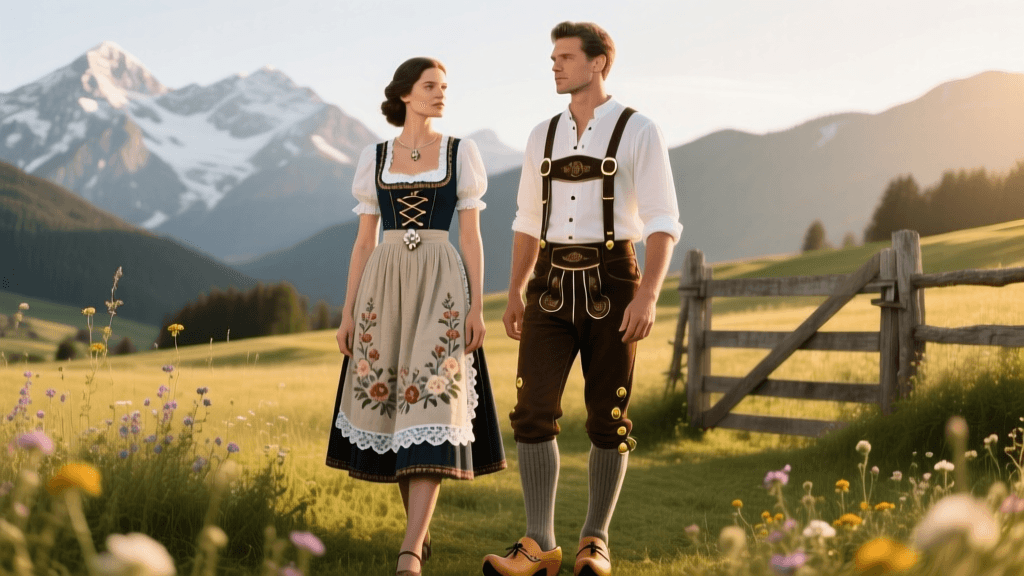
The Dirndl is often misunderstood by outsiders as a single dress, but it is actually a complex, multi-piece ensemble with strict traditional rules. A proper Dirndl consists of four distinct components: the Mieder (bodice), the Bluse (blouse), the Rock (skirt), and the Schürze (apron). In 2026, the trend has shifted heavily toward natural, breathable fabrics. While synthetic blends dominated the mass market a decade ago, today’s discerning buyers seek out bodices made from structured linen, raw silk, and fine merino wool, often featuring hand-embroidered floral motifs native to specific valleys, such as the Miesbacher or Werdenfelser styles.
The Blouse and Bodice Construction
The blouse is traditionally white, featuring a square, round, or heart-shaped neckline. In 2026, high-quality cotton batiste and delicate linen are the preferred materials, ensuring comfort during long festival days. The bodice is the structural heart of the Dirndl. It should be heavily boned or reinforced with sturdy seams to provide a flattering, supportive silhouette without the need for an undergarment. Authentic bodices fasten with hooks and eyes, hidden button loops, or a decorative front lacing. The lacing is often intertwined with a silk ribbon or a specialized silver chain known as a Miederschnür.
The Cultural Code of the Apron Bow
Perhaps the most famous aspect of Dirndl etiquette is the placement of the apron bow, a silent communicator of the wearer's relationship status. Tying the bow correctly is non-negotiable for anyone attending traditional events:
- Left Side: The wearer is single and available.
- Right Side: The wearer is married, engaged, or in a committed relationship.
- Center (Front): Historically indicated virginity, though today it is often worn by young women or those who simply prefer the aesthetic symmetry.
- Center (Back): Indicates that the wearer is widowed, or, in the context of hospitality, that the wearer is a working waitress.
Austrian and Bavarian Lederhosen: Craftsmanship and Fit
While the Dirndl is the centerpiece of women's Alpine fashion, Lederhosen (literally "leather trousers") represent the pinnacle of men's traditional craftsmanship. The Austrian Museum of Folk Life and Folk Art frequently highlights how regional variations in embroidery and cut can pinpoint a wearer's exact valley of origin. In 2026, the market for authentic Lederhosen is defined by a return to vegetable-tanned leathers and artisanal hand-stitching, rejecting the harsh chemical tanning processes of the past.
Leather Selection: Deer vs. Goat
The quality of Lederhosen is entirely dependent on the hide. Hirschleder (deer leather) is the gold standard. It is incredibly soft, breathable, and possesses a unique velvety texture that develops a beautiful patina over time. Deer leather is also highly insulating, making it suitable for both summer festivals and crisp autumn hunts. Ziegenleder (goat leather) is a durable, slightly more rigid alternative that is excellent for heavy outdoor work and hiking. Cowhide is generally avoided in high-end Tracht, as it is too stiff and lacks the traditional drape required for authentic styling.
The Drop-Front and Embroidery
Authentic Lederhosen feature a Latz (drop-front flap) fastened with two horn or bone buttons. The embroidery, or Stickerei, is not merely decorative; it historically represented local flora, fauna, and religious symbols. The 2026 aesthetic favors antique, muted thread colors—such as deep forest greens, ochres, and charcoal—rather than the bright, contrasting threads seen on tourist-grade garments. Hand-stitched seams using thick linen thread, known as Säcklernaht, are a hallmark of a master-crafted pair.
Essential Measurement and Sizing Guide
Buying Tracht online or in boutique shops requires precise measurements. Unlike modern fast fashion, traditional garments are tailored to sit at specific anatomical points. Below is the essential 2026 sizing matrix for achieving a flawless, comfortable fit.
| Garment | Measurement Point | Ideal Fit Description | 2026 Tailoring Tip |
|---|---|---|---|
| Dirndl Bodice | Underbust to Waist | Snug, supports without restricting breathing | Allow 1cm ease for festival dining and comfort |
| Dirndl Skirt | Waist to Knee | Falls exactly at or just below the knee | Midi length (65-75cm) dominates 2026 trends |
| Lederhosen | Hips and Inseam | Fitted but allows sitting comfortably | Leather stretches 1-2cm; always buy snug |
| Trachtenhut | Head Circumference | Sits securely above the ears without pinching | Add a Gamsbart for authentic Alpine flair |
2026 Buyer’s Guide: Pricing and Authenticity
Investing in authentic Tracht is a significant financial commitment, but the cost reflects generations of specialized labor and premium materials. When shopping for the 2026 festival season, buyers should understand the distinct market tiers to avoid overpaying for mass-produced imitations.
- Entry-Level / Tourist Grade (€100 - €250): Typically made from polyester blends and pigskin leather. These are widely available at pop-up tents near major festival grounds. While fine for a one-off costume party, they lack breathability, durability, and historical accuracy. Serious Tracht enthusiasts avoid this tier.
- Mid-Range / Quality Boutiques (€350 - €850): The sweet spot for most buyers. Dirndls in this range feature genuine cotton or linen blends, metal hooks, and well-structured bodices. Lederhosen are usually made from genuine goat or standard deer leather with machine-assisted embroidery. Brands like Angermaier and Ludwig & Therese offer excellent options in this bracket.
- Bespoke / Master Tailored (€1,200 - €4,000+): The realm of true heritage. Garments are cut to your exact measurements by master tailors (Trachtenschneider). Lederhosen are crafted from premium, hand-selected Hirschleder with 100% hand-stitched Säcklernaht and custom embroidery. Dirndls feature hand-woven silk brocades and antique silver filigree hooks. These pieces are heirlooms designed to be passed down through generations.
Accessorizing the Alpine Way
No Tracht ensemble is complete without the proper accessories. For men, the footwear of choice is the Haferlschuh, a traditional Alpine shoe characterized by its side-lacing and sturdy, hobnailed or rubber-gripped sole. Pair these with thick, calf-high wool socks (Loferl) in muted greys or greens. The Trachtenhut, typically made from felt or loden wool, is adorned with a Gamsbart—a tuft of hair from the chamois or badger, which historically signaled the hunter's prowess.
For women, the footwear has evolved slightly in 2026. While traditional flat leather slippers (Dirndlschuhe) remain popular for dancing, many women opt for low, sturdy block heels or elegant leather ankle boots to navigate uneven cobblestones and festival grounds. Jewelry should be kept traditional: think silver or gold filigree necklaces, coral beads, or a delicate silk neckband (Kropfband) adorned with a central cameo or coin.
Garment Care for Longevity
Proper maintenance is crucial for preserving the integrity of natural fibers and leathers. Never machine-wash a Dirndl bodice or a leather garment. Dirndl blouses and aprons can usually be hand-washed in cold water with a mild, eco-friendly wool detergent. Lederhosen should never be exposed to direct heat or soaked in water. If they become damp, allow them to air dry at room temperature. In 2026, specialized, beeswax-based leather balms are highly recommended by conservators to keep Hirschleder supple and prevent the natural oils from drying out. For deep stains or structural repairs, always consult a professional Tracht cleaner.
"True Tracht is not a costume you wear for a day; it is a second skin that connects you to the land, the history, and the people of the Alps. Treat it with respect, and it will last a lifetime." — Master Tailor proverb, Bavarian Alps.
Whether you are attending the grand parades in Munich or enjoying a quiet autumn harvest festival in Tyrol, understanding and respecting the nuances of Alpine Tracht ensures you participate in a rich, ongoing cultural dialogue. By investing in quality materials and honoring traditional styling, you help keep this magnificent European folk dress tradition vibrant for generations to come.