Buying Authentic Banarasi Silk Saris Online in 2026: A Buyer Guide
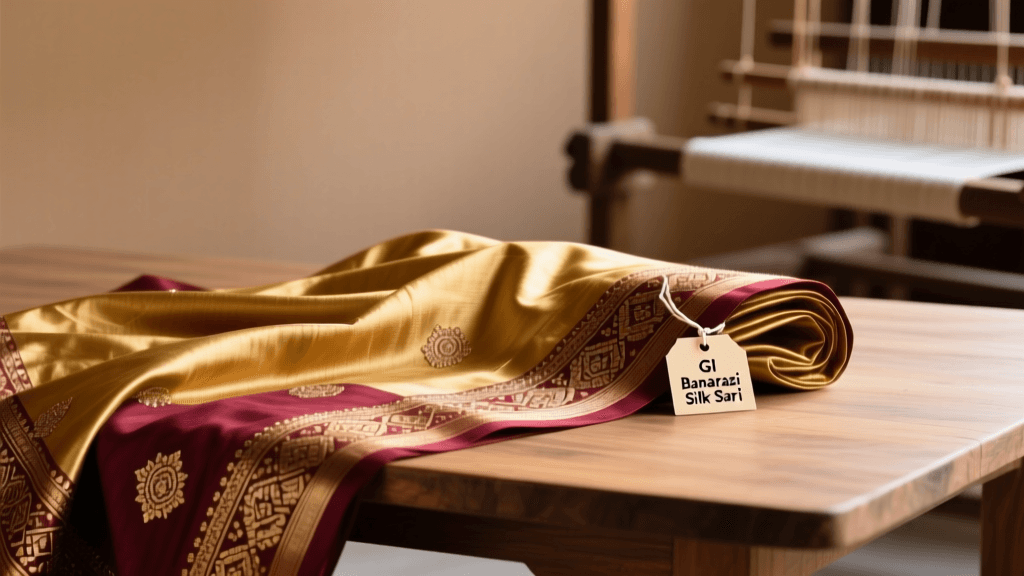
The 2026 E-Commerce Landscape for Banarasi Silk
The global appetite for traditional South Asian garments has reached unprecedented heights in 2026, with the Banarasi silk sari remaining one of the most coveted textiles in the world. Originating from the ancient city of Varanasi (Banaras) in Uttar Pradesh, India, these opulent garments are celebrated for their intricate gold and silver zari work, fine silk, and Mughal-inspired motifs. However, the explosion of online marketplaces has also led to a surge in mass-produced, synthetic counterfeits. For the modern buyer, navigating the digital landscape requires a blend of cultural appreciation and technical vigilance.
In 2026, purchasing a genuine handloom Banarasi sari online is more accessible than ever, provided you know where to look and how to verify authenticity. Direct-to-consumer platforms, government-backed weaver cooperatives, and curated artisan marketplaces have revolutionized the supply chain, allowing master weavers to reach global audiences without relying on exploitative middlemen. This comprehensive guide will equip you with the knowledge to source authentic Banarasi silk saris online, understand the nuances of the weave, and secure custom tailoring from the comfort of your home.
Understanding the Weaves: Jangla, Tanchoi, and Butidar
Before adding an item to your digital cart, it is crucial to understand that 'Banarasi' is not a single fabric, but a category encompassing several distinct weaving techniques. Familiarizing yourself with these terms will help you filter search results and communicate effectively with online vendors.
- Jangla: The most elaborate and time-consuming of all Banarasi weaves. Jangla saris feature wildly scrolling, intricate vegetal motifs that cover the entire body of the sari. A genuine handloom Jangla can take three to six months to weave, making it a premium investment piece often reserved for bridal trousseaus.
- Tanchoi: Characterized by a satin-like finish, Tanchoi weaving involves a single or double warp and multiple wefts. The motifs are woven into the fabric itself, creating a subtle, self-embossed effect without the use of heavy zari on the reverse side. It is lightweight and drapes beautifully.
- Butidar: These saris feature small, evenly spaced floral or geometric motifs (butis) across the entire body. The contrast between the silk base and the metallic zari butis gives the fabric a shimmering, starlit appearance.
- Vaskat: Known for its intricate border and pallu designs, Vaskat weaves often incorporate traditional paisley (mango) motifs and are highly prized for festive occasions.
Verifying Authenticity: Silk Mark and GI Tags in 2026
The most critical aspect of buying traditional Indian textiles online is verifying the material. In 2026, the Silk Mark Organisation of India (SMOI) remains the ultimate authority on silk purity. Every genuine pure silk sari sold by authorized retailers must carry a Silk Mark label featuring a unique, scannable QR code. When shopping online, always look for high-resolution images of this tag, and do not hesitate to ask the vendor for the specific QR code number to verify it on the SMOI portal before checkout.
Additionally, the Banarasi brocade holds a prestigious Geographical Indication (GI) tag. This intellectual property right ensures that only saris woven in the specific geographic region of Varanasi and its surrounding districts can legally be marketed as 'Banarasi'. The National Handloom Development Corporation and the Ministry of Textiles have heavily digitized the GI registry. Reputable online platforms in 2026 will explicitly display the GI certification number and the specific weaver cooperative's registration details on the product page.
Pro Tip for 2026 Buyers: If a product description uses vague terms like 'Banarasi-style,' 'Banarasi print,' or 'art silk zari,' it is a mass-produced powerloom imitation. Always look for the explicit terms 'Handloom,' 'Pure Silk,' and 'Real Zari.'
Trusted Online Marketplaces and Weaver Co-ops
To avoid the pitfalls of unverified third-party sellers on mega-marketplaces, focus your 2026 shopping on these specialized, highly vetted platforms:
1. Government-Backed Weaver Cooperatives
Portals affiliated with the Ministry of Textiles, Government of India, such as the UP Handloom Emporium's digital storefront, offer some of the most authentic and fairly priced Banarasi saris. Buying directly from these cooperatives ensures that your money goes straight to the artisan communities, supporting the preservation of the craft.
2. Curated Artisan Platforms
Platforms like Tilfi, Jaypore, and Okhai have established rigorous vetting processes. Tilfi, in particular, has built a massive digital infrastructure connecting Varanasi weavers directly to global consumers. They provide exhaustive details on the warp and weft materials, the weaver's name, and the estimated number of hours spent on the loom.
3. Specialized Heritage Boutiques
Legacy brands like Nalli and RmKV have expanded their robust online presence in 2026, offering virtual consultation services. These platforms are ideal for buyers seeking high-end, investment-grade bridal Banarasi saris with guaranteed authenticity and international shipping logistics.
Price and Material Comparison Chart
Understanding the pricing tiers is essential to spotting online scams. If a deal seems too good to be true, it is almost certainly a synthetic powerloom product. Below is a comparative breakdown of what to expect in the 2026 market.
| Feature | Authentic Handloom Banarasi (Pure Zari) | Semi-Handloom / Tested Zari | Mass-Produced Powerloom (Fake) |
|---|---|---|---|
| Zari Type | Pure Zari (Silver thread electroplated with real gold) | Tested Zari (Copper or synthetic core with metallic polish) | Plastic/Synthetic metallic yarn |
| Fabric Base | 100% Pure Mulberry Silk (Katan) | Silk blend or Art Silk (Synthetic) | 100% Polyester or Nylon |
| Weight | 600g to 1200g+ (Heavy, structured drape) | 400g to 600g | Under 400g (Flimsy, slips easily) |
| Reverse Side | Clean, with visible thread floats and intricate tie-offs | Messy, with loose synthetic threads | Printed or heavily tangled synthetic loops |
| 2026 Price Range (USD) | $400 to $3,500+ | $120 to $350 | $25 to $90 |
Mastering Virtual Tailoring: Blouse Measurements
A Banarasi sari is incomplete without a perfectly fitted choli (blouse). In 2026, most premium online retailers offer virtual tailoring services. To utilize this, you must provide precise measurements. Do not rely on standard S/M/L sizing, as traditional tailoring requires exact anatomical data.
- Bust (Fullest Part): Measure around the fullest part of your chest, keeping the measuring tape parallel to the floor. Ensure it is snug but allows for a full breath.
- Underbust: Measure directly beneath the bust line. This is crucial for the structural support of the blouse, especially when wearing heavy silk.
- Shoulder Width: Measure from the edge of one shoulder bone to the other across the upper back.
- Armhole Depth: Measure from the top of the shoulder down to the lowest point of the armpit. Add half an inch for comfort and mobility.
- Sleeve Length and Opening: Decide on your sleeve length (e.g., elbow-length for traditional wear) and measure the circumference of your bicep or forearm where the sleeve will end.
Most curated platforms now offer AI-assisted measurement apps that use your smartphone camera to calculate these dimensions with 98% accuracy, streamlining the custom-tailoring process for international buyers.
Care and Maintenance for Your Online Purchase
Once your authentic Banarasi sari arrives, proper care is vital to preserve the zari and silk fibers. Never wash a pure Banarasi sari at home. Always opt for professional dry cleaning, and specifically request a 'silk-safe' solvent process. Between wears, store the sari wrapped in unbleached muslin cloth to allow the natural fibers to breathe. Avoid plastic covers, which can trap moisture and cause the pure silver zari to oxidize and turn black over time. Refold the sari every three months along different lines to prevent permanent creasing and fiber breakage along the fold lines.
By leveraging verified digital cooperatives, understanding the GI and Silk Mark certifications, and utilizing modern virtual tailoring, you can confidently build a museum-quality collection of Banarasi silk saris from anywhere in the world in 2026.