Buying Authentic Banarasi Silk Sarees Online 2026: Buyer Guide
The Evolution of Banarasi Silk E-Commerce in 2026
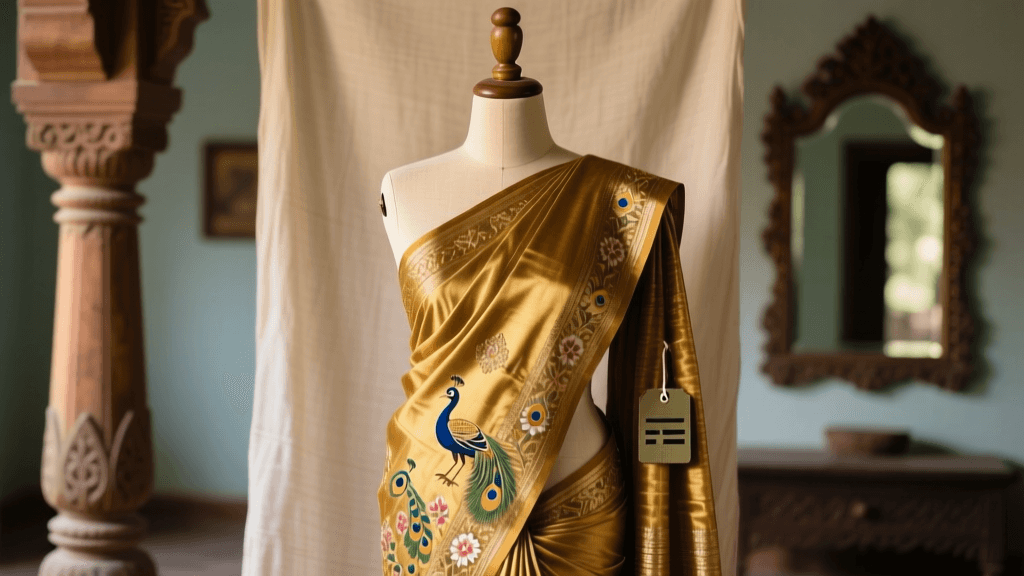
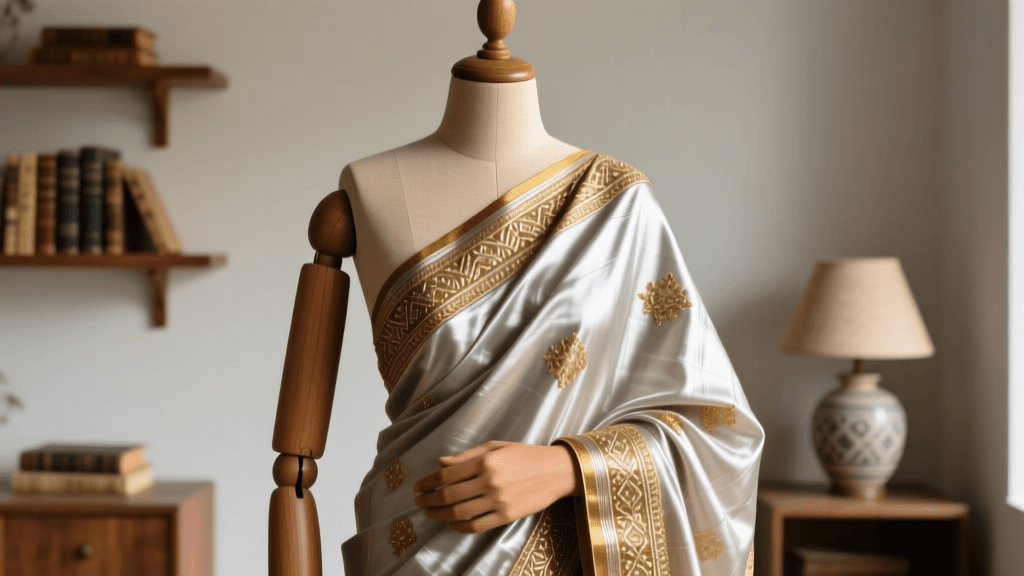
The allure of the Banarasi silk saree is undeniable. Woven in the ancient city of Varanasi, these garments are masterpieces of Indian textile heritage, characterized by their opulent gold and silver zari work, intricate motifs, and luxurious silk bases. However, the digital age has brought a proliferation of counterfeit, powerloom-made replicas that flood online marketplaces, making it increasingly difficult for global shoppers to find genuine handloom pieces. As we navigate the e-commerce landscape in 2026, the distinction between authentic heritage weaves and mass-produced imitations has never been more critical.
Fortunately, the online shopping ecosystem for traditional Asian garments has matured significantly. In 2026, direct-to-consumer heritage brands and government-backed portals have introduced stringent verification protocols. The integration of blockchain-backed QR codes on digital receipts and product tags now allows buyers to trace a saree’s journey from the weaver’s pit loom in Varanasi directly to their doorstep. This guide will walk you through the most trusted online marketplaces, decode complex weaving terminology, and provide an actionable checklist to ensure your investment is a genuine piece of Asian textile history.
Understanding the GI Tag and Silk Mark Certifications
Before adding any Banarasi saree to your digital cart, you must understand the two pillars of authenticity: the Geographical Indication (GI) tag and the Silk Mark. The GI tag is a legal certification that guarantees the product was woven in the specific geographic region of Varanasi and its surrounding districts using traditional methods. According to the Ministry of Textiles, Government of India, the GI tag protects the livelihoods of thousands of traditional weavers by preventing powerloom manufacturers from legally labeling their synthetic products as 'Banarasi'.
Alongside the GI tag, the Silk Mark is a purity certification issued by the Silk Mark Organisation of India. While the GI tag protects the design and origin, the Silk Mark guarantees that the base fabric is 100% natural silk, not a synthetic blend. When shopping online in 2026, reputable sellers will provide high-resolution images of both the physical GI tag and the Silk Mark label attached to the saree’s pallu (the decorative end piece). If a marketplace listing lacks these certifications or uses digital watermarks instead of photographs of physical tags, proceed with extreme caution.
Top Trusted Online Marketplaces for Banarasi Sarees
The internet is saturated with platforms claiming to sell authentic handloom sarees, but only a select few maintain rigorous sourcing standards. Below are the most reliable online marketplaces and direct-to-consumer brands for purchasing Banarasi silk in 2026.
Direct-to-Consumer Heritage Brands
Tilfi: Tilfi has revolutionized the Banarasi e-commerce space by partnering directly with master weavers and national award-winning artisans. Their platform is renowned for its transparency, offering detailed narratives about the specific weaver and the technique used for each saree. In 2026, Tilfi remains the gold standard for buyers seeking premium Katan silk and pure Zari pieces, complete with verifiable GI documentation.
Holy Weaves: Operating with a deep commitment to preserving ancient motifs, Holy Weaves specializes in heirloom-quality Banarasi sarees. Their online boutique is highly curated, focusing on complex weaves like the Kadwa and Jangla. They provide exceptional customer service, including video calls to inspect the saree’s texture and reverse side before purchase, bridging the gap between physical and digital shopping.
Curated Handloom Aggregators
iTokri: While based in Madhya Pradesh, iTokri is a massive aggregator of Indian handicrafts and handlooms. Their Banarasi collection is sourced ethically, and they are particularly famous for their budget-friendly yet authentic Kora silk (organza) and Tussar silk Banarasi sarees. iTokri’s detailed filtering system allows you to shop by specific weaving techniques and zari types.
Jaypore: For the modern buyer seeking traditional garments with a contemporary aesthetic, Jaypore offers a stunning selection of Banarasi sarees. Endorsed by the India Handloom Brand initiative, Jaypore’s curation ensures that every piece meets strict quality and authenticity benchmarks. Their styling guides and editorial content also help international buyers understand how to drape and style these traditional garments for modern events.
2026 Marketplace Comparison Chart
To help you choose the right platform based on your budget and requirements, refer to the comparison table below detailing the top online marketplaces for Banarasi silk sarees.
| Marketplace | Best For | Price Range (USD) | Authenticity Guarantee |
|---|---|---|---|
| Tilfi | Premium Pure Zari & Heirlooms | $250 - $2,500+ | GI Tag, Silk Mark, Weaver Bio |
| Holy Weaves | Complex Weaves (Kadwa/Jangla) | $180 - $1,500 | GI Tag, Video Inspection |
| iTokri | Everyday Handlooms & Kora Silk | $60 - $400 | GI Tag, Direct Weaver Sourcing |
| Jaypore | Modern Styling & Curated Picks | $150 - $900 | India Handloom Brand Certified |
Decoding Weave Techniques: What to Look For in Product Descriptions
When shopping online, product descriptions are your best tool for verifying authenticity. Mass-market sellers rarely use correct technical terminology. Familiarize yourself with these traditional Banarasi weaving techniques to spot genuine listings.
- Kadwa: This is the most labor-intensive and expensive technique. Each motif is woven separately on the loom, meaning there are no loose threads on the reverse side of the fabric. A genuine Kadwa saree can take several months to weave and will command a premium price.
- Tanchoi: Originating from Persian influences, Tanchoi involves weaving with multiple silk threads without using extra zari. The patterns are created through the intricate interplay of colored silk warp and weft, resulting in a smooth, reversible fabric that is incredibly soft to the touch.
- Jangla: Characterized by wild, scrolling vegetation motifs and intricate 'butis' (small floral patterns) spread across the entire body of the saree. Jangla weaves are heavily brocaded and are a staple for traditional Indian bridal trousseaus.
- Katan Silk: Not a weave, but the base fabric. Katan is a plain, tightly woven fabric made from twisted silk threads, providing a sturdy and lustrous canvas for heavy zari work.
The Ultimate Online Authenticity Checklist
Even when shopping on reputable platforms, it is essential to know how to evaluate a Banarasi saree through a screen. Use this checklist before finalizing your purchase.
Analyzing the Reverse Side via High-Res Zoom
The most definitive way to identify a handloom Banarasi saree online is by examining the reverse side of the fabric. Sellers of authentic pieces will always include a photograph of the back. In a genuine handloom saree, especially those using the 'phenk' or 'jala' technique, you will see loose float threads where the zari or colored silk was carried across the back of the motif. Conversely, powerloom imitations often feature a net-like backing or perfectly clean reverse sides with bound threads, indicating machine-made jacquard weaving.
The Price Reality Check
If a deal seems too good to be true in 2026, it is undoubtedly a powerloom fake. The cost of raw silk, pure silver zari, and the months of skilled manual labor required to weave a Banarasi saree dictate a strict price floor. A genuine Katan silk Banarasi saree with real zari will rarely cost less than ₹15,000 INR (approximately $180 USD). Sarees advertised for $30 to $50 USD are invariably made of polyester, art silk, and metallic plastic threads. Budget buyers should instead look for authentic Banarasi cotton or Kora silk (organza) sarees, which are more affordable but still woven on traditional pit looms.
Decoding Zari Types
Zari is the metallic thread that gives Banarasi sarees their signature royal shimmer. Understanding zari types is crucial for online shopping:
- Pure Zari (Sona Rupa): Made from a silk core wrapped in flattened silver wire and electroplated with real gold. It is heavy, has a muted, elegant shine, and will not tarnish quickly. This is the most expensive and authentic option.
- Half-Fine Zari: Uses a copper or synthetic core with a thin layer of silver and gold plating. It is lighter and more affordable but may oxidize over time.
- Tested Zari / Plastic Zari: Made from synthetic fibers coated with metallic paints. It is overly shiny, stiff, and commonly found in powerloom fakes.
'A true Banarasi saree is not just a garment; it is a canvas of time. When you hold a genuine Kadwa weave, you are feeling the patience of a master artisan who spent six months tying thousands of microscopic knots.' — Master Weaver Cooperative, Varanasi.
Caring for Your Online Purchase
Once your authentic Banarasi silk saree arrives, proper care is essential to preserve its heritage value. Always store your saree wrapped in a pure cotton or muslin cloth; never use plastic covers, as they trap moisture and cause the zari to tarnish or the silk to develop mildew. Refold the saree every three months to prevent permanent crease marks and fiber breakage along the fold lines. When it comes to cleaning, dry cleaning is the only safe option for heavily zari-laden pieces, and it should be done sparingly to maintain the fabric's natural sheen and structural integrity.
Final Thoughts on Navigating the 2026 Handloom Market
Shopping for Asian traditional garments online requires a blend of cultural knowledge and digital vigilance. By prioritizing platforms that champion weaver cooperatives, demanding verifiable GI and Silk Mark certifications, and understanding the nuanced vocabulary of Banarasi weaving, you can confidently build a collection of authentic, heirloom-quality sarees. The digital marketplaces of 2026 have made it easier than ever to support traditional artisans while bringing the unparalleled elegance of Varanasi silk into your global wardrobe.