Vintage Banarasi Sari Care: Zari Thread Restoration 2026
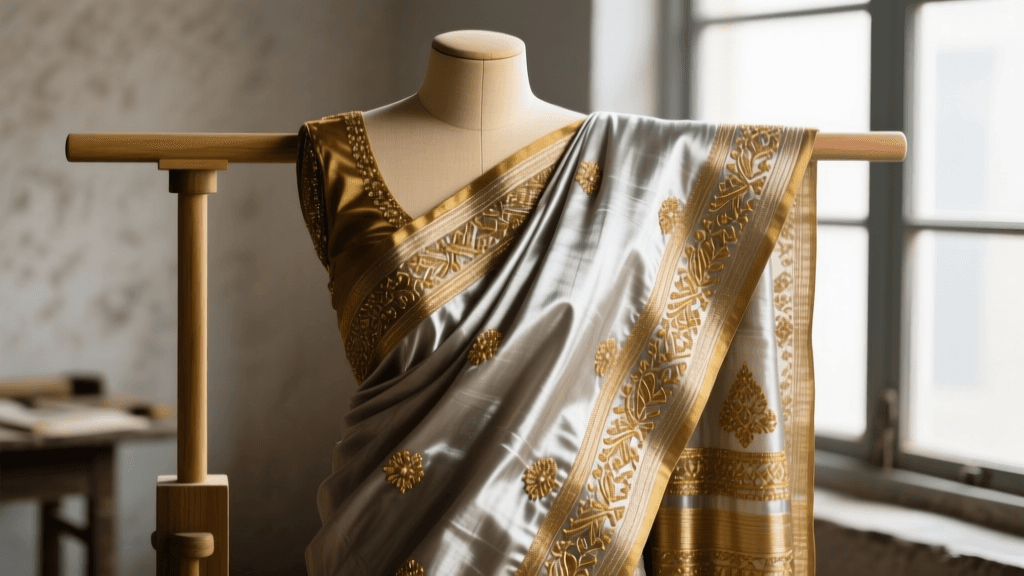
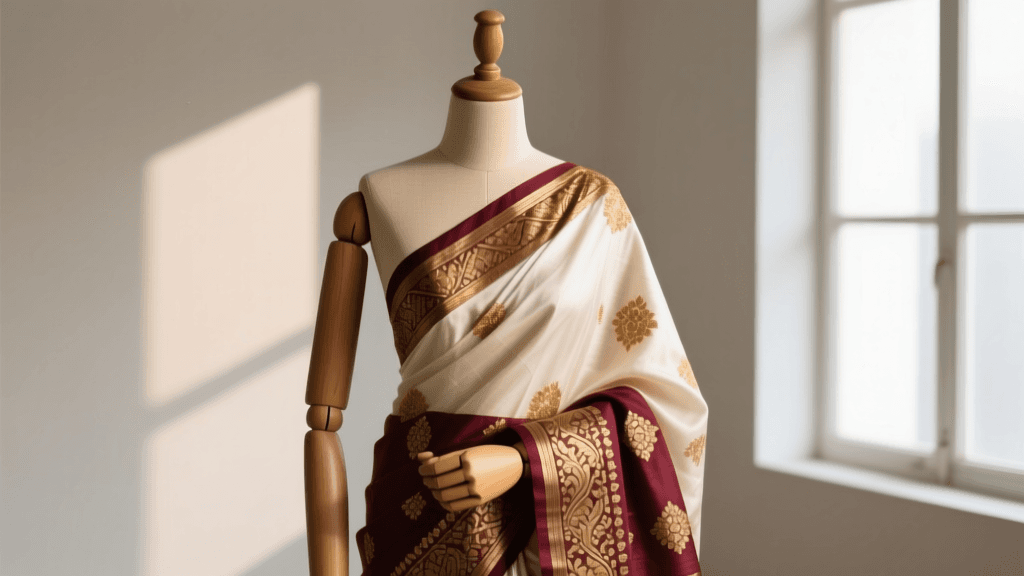
The Banarasi sari is more than a garment; it is a woven tapestry of South Asian heritage, representing centuries of artisanal mastery from the looms of Varanasi. At the heart of this luxurious textile is zari, the intricate metallic threadwork that gives the sari its signature opulence and structural weight. However, as these heirloom pieces age, the zari becomes highly susceptible to tarnishing, oxidation, and physical snapping. In 2026, the intersection of traditional textile care and modern conservation science has provided collectors and families with advanced methods to preserve and restore these masterpieces. This comprehensive guide explores the current standards for Banarasi sari preservation, focusing on the delicate restoration of zari threads, archival storage protocols, and the mitigation of environmental damage.
Understanding Zari: The Anatomy of Metallic Thread
To properly care for a vintage Banarasi sari, one must first understand the composition of its metallic elements. Historically, Pure Zari (also known as Asli Zari) was crafted by wrapping a flattened silver wire (badla) around a silk or cotton core yarn, which was then electroplated with pure gold. Today, vintage pieces from the mid-20th century often feature this authentic composition. However, the market also contains Tested Zari (silver-plated copper core) and Imitation Zari (synthetic metallic yarns). The restoration and care techniques applied in 2026 depend heavily on identifying which type of zari is present in the vintage textile.
Pure zari is remarkably resilient but highly reactive to sulfur compounds in the atmosphere, which cause the underlying silver to form black silver sulfide, leading to a dull, darkened appearance. Imitation zari, conversely, does not tarnish chemically but is prone to peeling, flaking, and losing its metallic coating due to friction and improper folding. Identifying the zari type through non-invasive magnification is the critical first step in any 2026 conservation assessment.
The Science of Zari Degradation and Metal Fatigue
The most common issue plaguing vintage Banarasi saris is not just chemical tarnishing, but physical metal fatigue. When a sari is repeatedly folded in the exact same location, the metallic strips wrapped around the core yarn undergo stress. Over decades, this stress causes the metal to work-harden, become brittle, and eventually snap. Once the metallic wrap breaks, the inner silk core is exposed to light and pests, leading to localized fabric weakening.
Furthermore, the heavy weight of dense zari brocade work places immense tensile stress on the base silk fabric, particularly at the pallu (the decorative end piece) and the borders. In 2026, textile conservators emphasize the importance of stress redistribution during storage to prevent the heavy metallic motifs from literally tearing through the aging silk ground.
2026 Archival Storage Standards for Heavy Brocades
Proper storage is the cornerstone of preservation. The outdated practice of storing silk saris in wooden chests with naphthalene balls or dried neem leaves is now strongly discouraged by conservationists. Naphthalene off-gasses acidic vapors that accelerate silk degradation, while wooden chests emit volatile organic compounds (VOCs) and natural acids that aggressively tarnish zari.
According to the Victoria and Albert Museum's textile conservation guidelines, protein-based fibers like silk require strict humidity control and an acid-free environment to prevent permanent structural damage. For heavy Banarasi brocades, the 2026 standard dictates rolling rather than folding. Folding should only be used as a last resort, and when necessary, the folds must be padded with acid-free tissue to create gentle curves rather than hard creases.
Comparing 2026 Archival Storage Materials
Building a micro-climate for your vintage saris requires specific archival materials. Below is a comparison of the current standard materials used by private collectors and museums in 2026:
| Material | Primary Purpose | 2026 Est. Cost | Advantages | Limitations |
|---|---|---|---|---|
| Unbleached Muslin | Outer wrapping layer | $14 / yard | Breathable, washable, buffers against light | Requires annual washing to remove absorbed acids |
| Acid-Free Tissue (Buffered) | Interleaving and fold padding | $28 / pack | Prevents dye transfer, neutralizes acids | Tears easily under the weight of heavy zari |
| Pacific Silvercloth | Tarnish prevention wrap | $38 / yard | Actively absorbs hydrogen sulfide gases | Must be replaced every 3 to 5 years once saturated |
| Archival Coroplast Box | Rigid structural storage | $75 / box | Pest-proof, chemically inert, stackable | Bulky, requires significant storage space |
| Ethafoam Rolls | Internal rolling support | $45 / roll | Prevents crushing of zari motifs when rolled | Not suitable for direct silk contact without a barrier |
When rolling a vintage Banarasi sari, always roll it with the zari-heavy side facing outward to prevent the metallic threads from being crushed against the inner core. Use an Ethafoam tube covered in washed muslin as the base, and tie the rolled bundle with unbleached cotton twill tape—never use elastic bands or synthetic strings that can cut into the fibers.
Advanced Cleaning and Tarnish Mitigation
Cleaning a vintage Banarasi sari is a high-risk endeavor. Traditional water washing is strictly forbidden, as moisture accelerates the oxidation of the silver core in pure zari and can cause the silk dyes to bleed catastrophically. Furthermore, the harsh chemical solvents used in standard commercial dry cleaning (such as perchloroethylene) can strip the gold electroplating from vintage zari and dissolve the natural sericin left in the silk.
In 2026, the preferred method for cleaning heavily soiled vintage heirlooms is Liquid Carbon Dioxide (CO2) cleaning. This advanced, eco-friendly process uses pressurized liquid CO2 as a solvent, which is entirely gentle on metallic threads and leaves no chemical residue. For routine maintenance, gentle surface dusting using a low-suction vacuum equipped with a micro-attachment and a fiberglass screen is recommended to remove particulate matter that can act as an abrasive against the zari.
If the pure zari has already tarnished and turned black, chemical dip polishes must never be used. These liquids wick into the silk core and cause permanent staining. Instead, professional conservators use specialized micro-abrasive techniques and localized reducing agents applied under a stereomicroscope to lift the silver sulfide without damaging the surrounding silk threads.
Restoration Techniques: Stabilizing and Rafoogari
When zari threads have snapped or the base silk has torn under the weight of the brocade, restoration is required to stabilize the garment. The traditional Indian art of Rafoogari (invisible darning) has seen a renaissance in 2026, blending ancestral needlework skills with modern conservation ethics.
Backing and Stabilization
For areas where the silk ground has shattered due to the weight of the zari borders, a supportive backing must be applied. Conservators currently favor lightweight, undyed silk organza or sheer silk crepeline. The backing fabric is placed behind the damaged area and secured using a laid-couching technique with ultra-fine, color-matched silk thread. This method supports the heavy zari motifs without putting additional tension on the fragile original warp and weft threads.
Re-securing Loose Zari
When the metallic wrap has unraveled from the core yarn, it can sometimes be carefully re-wrapped using a fine needle and a drop of conservation-grade, reversible adhesive (such as Klucel G in ethanol). However, if the metallic strip has snapped entirely, it cannot be fused back together. In these cases, the broken ends are carefully tucked and secured to prevent further unraveling, and the visual loss is documented. Ethical restoration in 2026 prioritizes stabilization over making the garment look brand new; the history and age of the sari are respected and preserved.
Environmental Controls for Display and Wear
If you choose to display or wear your vintage Banarasi sari, environmental controls are paramount. When displaying the textile in a home or gallery, light levels must be kept below 50 lux to prevent the silk dyes from fading. Ultraviolet (UV) filtering film must be applied to all nearby windows, and LED lighting with zero UV emission should be the only light source used.
When wearing a vintage piece, be mindful of modern cosmetics, perfumes, and deodorants. The alcohol and chemical compounds in these products can instantly strip the gold plating from pure zari and cause localized silk degradation. Always ensure your hands are clean and free of lotions when handling the pallu, and avoid pinning the heavy fabric with standard safety pins, which can rust and tear the antique silk. Instead, use magnetic sari clips or sew hidden fabric loops to distribute the weight evenly across the shoulder.
When to Seek Professional Conservation
While collectors can manage archival storage and surface dusting at home, active restoration should only be entrusted to trained professionals. For severe degradation, the American Institute for Conservation recommends consulting a certified textile conservator rather than attempting home repairs, as improper stitching or adhesives can cause irreversible damage. In 2026, professional museum-grade stabilization for a heavily damaged Banarasi pallu typically ranges from $400 to $1,200, depending on the square footage of the damage and the complexity of the zari weave. This investment is crucial for pieces destined to be passed down to future generations.
Conclusion
Preserving a vintage Banarasi sari is an act of cultural stewardship. The intricate zari work is a testament to the artisans of Varanasi, and its survival depends on our willingness to adopt modern, science-backed preservation methods. By abandoning outdated storage habits, investing in archival materials, and utilizing ethical stabilization techniques, we can ensure that these luminous garments continue to tell their stories for centuries to come. As we navigate the textile conservation landscape of 2026, the fusion of traditional respect and modern science offers the best path forward for protecting South Asia's most exquisite woven treasures.