Banarasi Katan Silk vs Zari Brocade: 2026 Bridal Sari Guide
The Resurgence of Heritage Textiles in 2026
The landscape of South Asian bridal fashion in 2026 is defined by a profound return to authenticity, sustainable luxury, and heritage craftsmanship. As modern brides increasingly reject mass-produced, fast-fashion alternatives, the demand for genuine, handwoven Banarasi textiles has reached an all-time high. At the heart of this movement are two distinct yet deeply intertwined textile choices: pure Katan silk and intricate Zari brocade. Understanding the structural, aesthetic, and financial differences between these fabrics is essential for anyone curating a ceremonial wardrobe this year. Whether you are sourcing a family heirloom or commissioning a bespoke piece from Varanasi, this comprehensive guide breaks down everything you need to know about Banarasi Katan silk and Zari brocade in 2026.
Understanding Pure Katan Silk: The Foundation of Banarasi Weaves
Katan silk is the backbone of the most prized Banarasi saris. Unlike softer, unspun silks like Matka or Tussar, Katan is created by twisting together two or more silk threads to form a single, highly durable yarn. This twisting process gives Katan its signature strength, allowing it to hold the immense weight of heavy metallic embroidery and complex Jacquard loom patterns without tearing or losing its shape. In 2026, master weavers in Varanasi are utilizing a refined version of Katan that offers a slightly more supple drape than historical iterations, responding to modern brides' demands for comfort during long, multi-day wedding festivities.
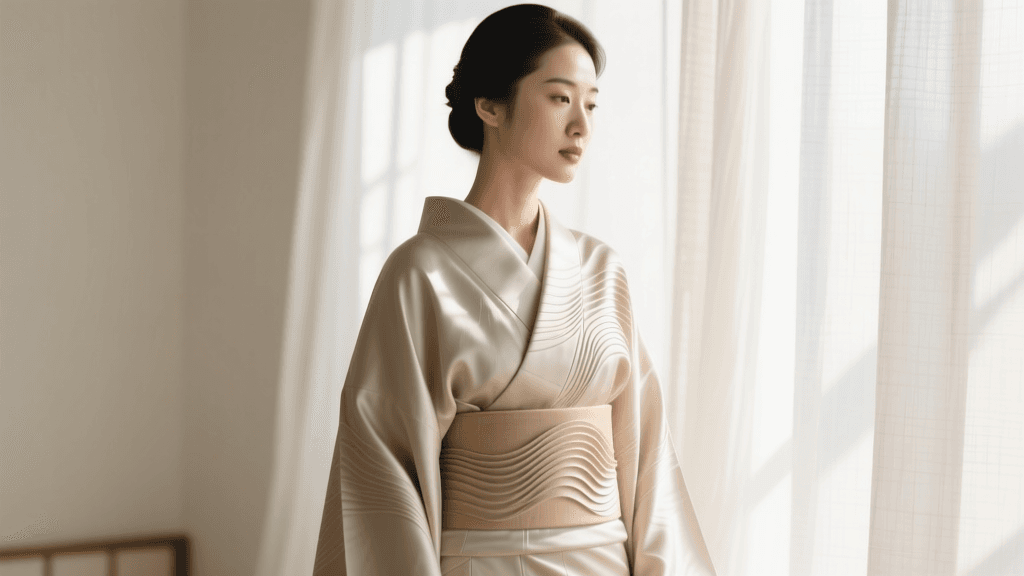
The visual hallmark of pure Katan silk is its subtle, luminous sheen. It does not possess the blinding gloss of synthetic satins; instead, it reflects light with a deep, pearlescent warmth. When woven on traditional pit looms, the fabric develops a rich texture that synthetic power-loom replicas simply cannot replicate. For the 2026 bridal season, jewel-toned Katan silks—particularly deep emerald, ruby red, and midnight sapphire—are dominating the market, often serving as the canvas for minimalist, tone-on-tone floral motifs (butis) that allow the fabric's natural luster to take center stage.
The Art of Zari: From Traditional Gold to 2026 Tested Alternatives
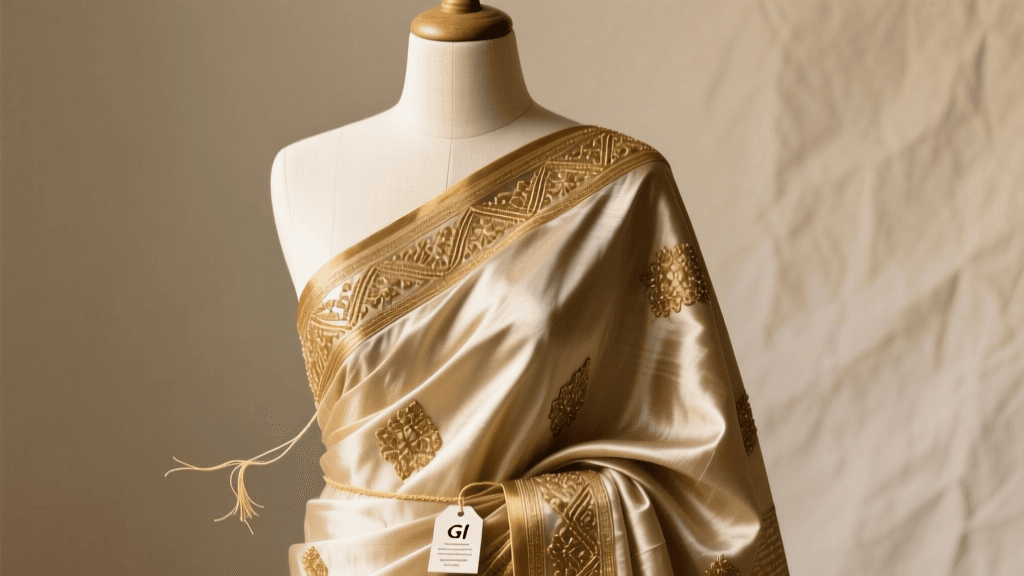
If Katan silk is the canvas, Zari is the paint. Zari refers to the metallic threads woven into the silk to create the opulent brocade patterns that Banaras is globally celebrated for. Historically, pure Zari (known as Sona Zari) was made by wrapping a silk core with flattened wires of real gold or silver, as documented in the extensive historical textile archives at the Victoria and Albert Museum. However, the astronomical cost of precious metals has shifted the industry.
In 2026, the market is distinctly segmented into three categories of Zari. Pure Zari is now exceptionally rare, reserved exclusively for museum-grade commissions and ultra-luxury heritage houses, with prices often exceeding ₹150,000 ($1,800 USD). The most popular choice for modern brides is 'Tested Zari' (also known as imitation or copper zari), which uses a copper or silver alloy core electroplated with gold. Thanks to advanced 2026 electroplating techniques, high-grade tested Zari resists tarnishing far better than it did a decade ago, maintaining its brilliant shine for years if stored correctly.
Conversely, buyers must be wary of 'Plastic Zari' or polyester-based metallic yarns, which have flooded the lower-end market. These synthetic threads lack the weight, drape, and metallic resonance of genuine metal-wrapped yarns, and they often melt or warp under the high heat of professional steam pressing.
2026 Comparison Chart: Katan Silk vs. Heavy Zari Brocade
| Feature | Pure Katan Silk (Minimal Zari) | Heavy Zari Brocade (All-over Jaal) |
|---|---|---|
| Base Weight | Medium (400-600 grams) | Heavy (800-1200+ grams) |
| Drape & Flow | Fluid, supple, easy to pleat | Stiff, structured, holds dramatic shapes |
| 2026 Price Range | ₹25,000 - ₹60,000 ($300 - $720 USD) | ₹85,000 - ₹250,000+ ($1,020 - $3,000+ USD) |
| Best Ceremonial Use | Haldi, Mehendi, daytime receptions | Main wedding ceremony, grand receptions |
| Maintenance | Standard dry clean, easy to fold | Specialist archival care, heavy refolding |
Navigating GI Tags and Blockchain Authentication in 2026
With the surge in demand for authentic Banarasi weaves, counterfeit power-loom products remain a persistent threat. To combat this, the Indian government and local weaving cooperatives have heavily enforced the Geographical Indication (GI) tag. In 2026, purchasing a genuine Banarasi sari goes beyond simply looking for a physical GI label. Leading cooperatives and verified heritage brands now utilize blockchain-backed QR codes woven directly into the sari's fall or attached to the hangtag.
When scanned, these 2026 digital certificates provide the buyer with the complete provenance of the garment: the name of the master weaver, the specific loom location in Varanasi, the exact blend of silk and zari used, and the number of days it took to weave. According to the Ministry of Textiles, Government of India, this digital integration has reduced counterfeit claims by over 40% in the last two years, providing unprecedented peace of mind for international and domestic buyers investing in luxury ceremonial wear. Furthermore, verifying the Silk Mark certification remains a non-negotiable step to ensure the base fabric is 100% natural silk and not a silk-blend or synthetic substitute.
The Sustainability Factor: Ahimsa Silk and Natural Dyes
A major textile shift in 2026 is the integration of ethical sourcing into traditional weaving. Ahimsa silk, also known as peace silk, is harvested without harming the silkworm, allowing the moth to emerge from the cocoon naturally before the silk is spun. While traditionally associated with softer, slubbier textures, innovative spinning techniques introduced in the mid-2020s have allowed weavers to produce Ahimsa Katan silk that mimics the smooth finish of conventional mulberry silk.
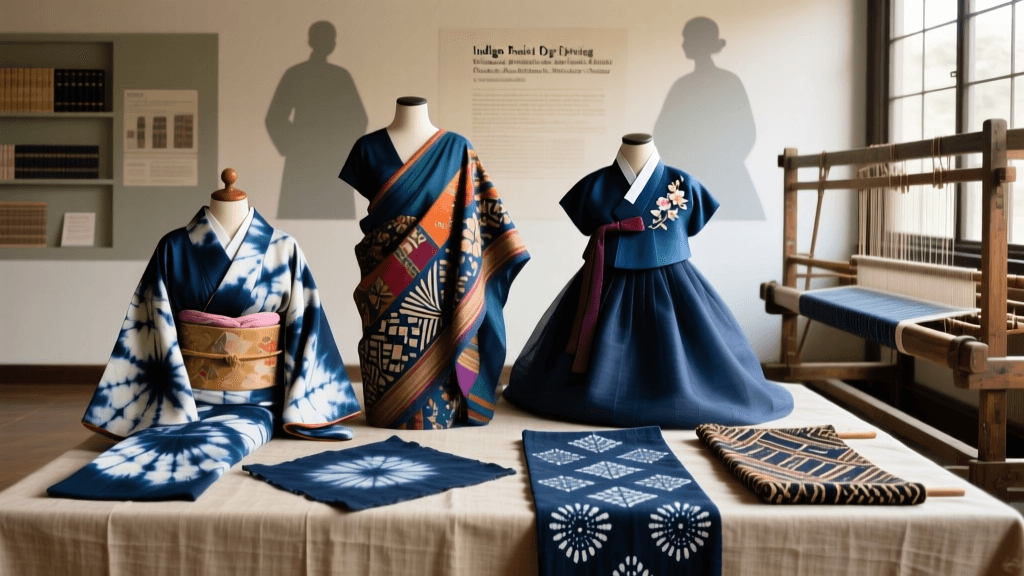
Paired with a resurgence in natural, plant-based dyes—such as indigo, madder root, and marigold—these sustainable Banarasi saris are highly sought after by eco-conscious brides. The color palette of naturally dyed Katan silk is inherently more muted and earthy compared to the vibrant, neon-capable acid dyes, offering a sophisticated, vintage aesthetic that photographs beautifully in natural daylight ceremonies.
Expert Care and Archival Storage for Heirloom Saris
Investing in a pure Katan silk and Zari brocade sari is an investment in a generational heirloom, but it requires meticulous care. The metallic salts in Zari can react with humidity and acidic environments, leading to blackening or brittleness. In 2026, archival storage standards recommend wrapping the sari in unbleached, acid-free muslin cloth rather than plastic, which can trap moisture and accelerate the degradation of both the silk proteins and the metallic threads.
Additionally, the sari should be refolded every three to four months along different lines to prevent permanent crease marks that can eventually cause the silk fibers to snap. For long-term storage, cedarwood blocks are preferred over traditional naphthalene balls, as the harsh chemicals in mothballs can strip the gold plating from tested Zari and leave a pervasive, difficult-to-remove odor in the dense Katan weave.
Modern Styling and Draping for the Contemporary Bride
While the fabric is steeped in centuries of history, 2026 styling embraces structural innovation. Heavy Zari brocade saris are increasingly being pre-pleated and stitched onto structured petticoats, allowing the bride to move freely without the risk of the heavy pallu slipping. For pure Katan silk saris with minimalist motifs, contemporary blouses featuring corset-style boning, dramatic cape sleeves, or deep architectural necklines provide a striking contrast to the traditional drape. By understanding the unique properties of Katan silk and the varying grades of Zari, you can confidently select a textile that not only honors the rich heritage of Asian traditions but also aligns perfectly with your personal aesthetic and ethical values for your special day.