Best Sustainable Silk Alternatives for Cheongsam & Hanbok 2026
The Shift Toward Sustainable Asian Textiles in 2026
For centuries, mulberry silk has been the undisputed monarch of Asian traditional garments. From the flowing chima (skirt) of the Korean hanbok to the meticulously tailored, bias-cut silhouette of the Chinese cheongsam (qipao), silk provided the luster, drape, and cultural resonance required for ceremonial and everyday wear. However, as we navigate the fashion and textile landscape of 2026, environmental consciousness and advancements in material science have introduced a new era of cellulosic and semi-synthetic fabrics. These sustainable silk alternatives offer the luxurious hand-feel of traditional silk while drastically reducing water consumption, chemical runoff, and reliance on intensive sericulture.
According to the Textile Exchange Preferred Fiber Matrix, the adoption of next-generation cellulosic fibers has surged in the mid-2020s, driven by designers seeking cruelty-free and eco-friendly textiles that do not compromise on the structural integrity required for traditional Asian dress. For home sewists, bespoke tailors, and modern heritage brands, understanding how these innovative fabrics behave is critical for creating authentic yet contemporary garments.
Bamboo Silk: The Breathable Choice for Summer Cheongsam
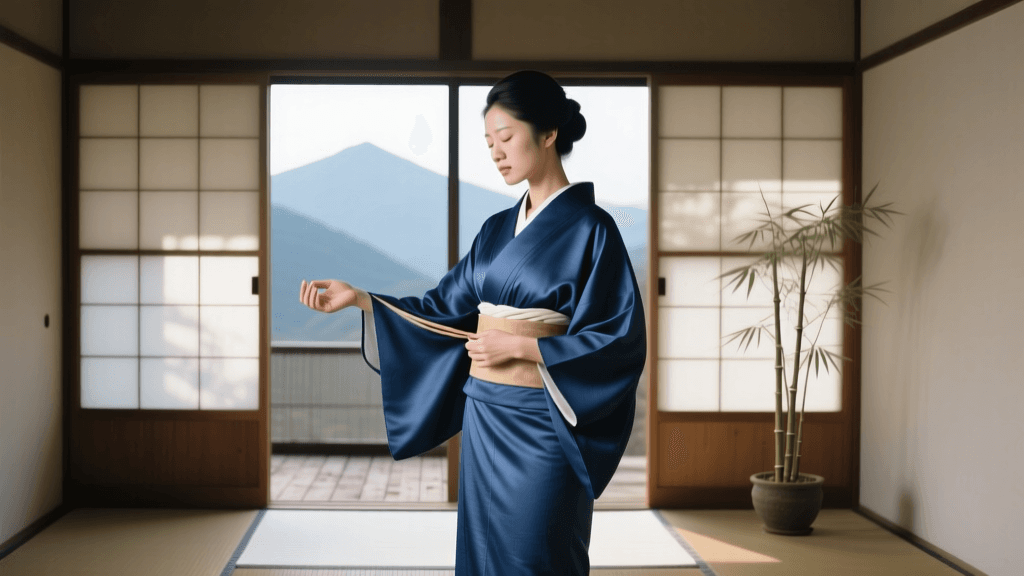
Bamboo silk, technically a bamboo viscose or rayon, has become a staple in 2026 for crafting lightweight, summer-appropriate cheongsam. Manufactured by extracting cellulose from fast-growing bamboo grass, this fabric is celebrated for its exceptional moisture-wicking properties and cool hand-feel. In the context of a traditional qipao, which often features a high mandarin collar and a form-fitting bodice, breathability is paramount, especially in the humid climates of East and Southeast Asia.
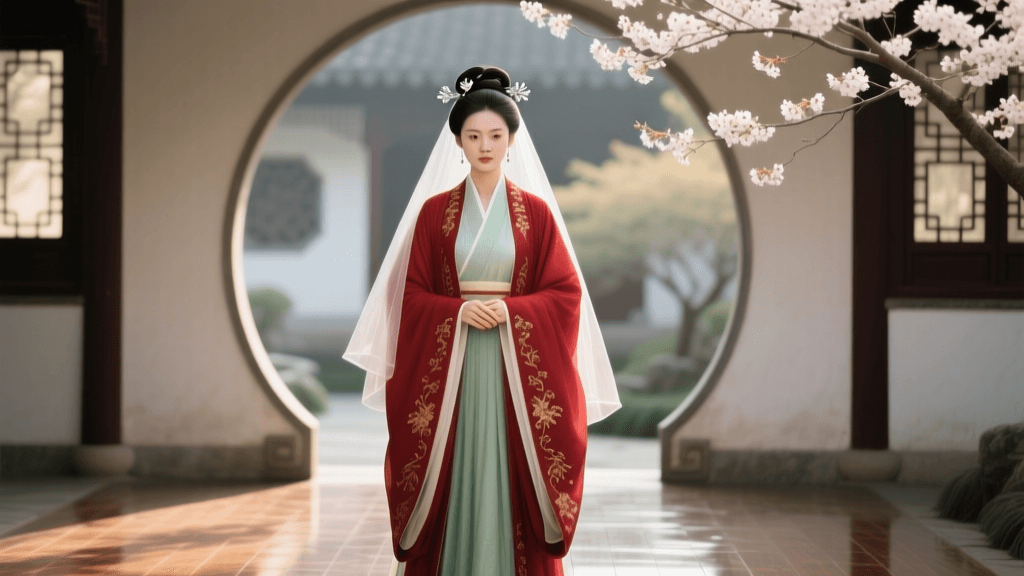
Unlike traditional silk habotai, which can sometimes cling uncomfortably to the skin when damp, bamboo silk maintains a dry, matte-to-satin finish. It possesses a beautiful, fluid drape that responds wonderfully to bias cutting—a technique essential for achieving the sleek, body-skimming fit of a 1930s-inspired cheongsam. When constructing the iconic pankou (frog buttons), bamboo silk provides enough friction to hold the intricate knots securely, whereas highly slippery silk charmeuse often requires extensive interfacing and stitching to prevent the fasteners from unraveling.
For a standard midi-length cheongsam with short sleeves, you will typically need 3 to 3.5 yards of 45-inch-wide bamboo silk. Because the fabric has a slight mechanical stretch when cut on the bias, it offers superior comfort for daily wear compared to rigid woven silks.
Tencel Lyocell: Fluid Drapes for Modern Hanbok
When discussing sustainable textiles in 2026, it is impossible to overlook Tencel Lyocell. Produced by the Austrian company Lenzing AG, Lenzing Tencel Lyocell is manufactured in a closed-loop system that recycles over 99% of the water and non-toxic solvents used in production. This makes it one of the most environmentally responsible fibers available for heritage garment construction today.
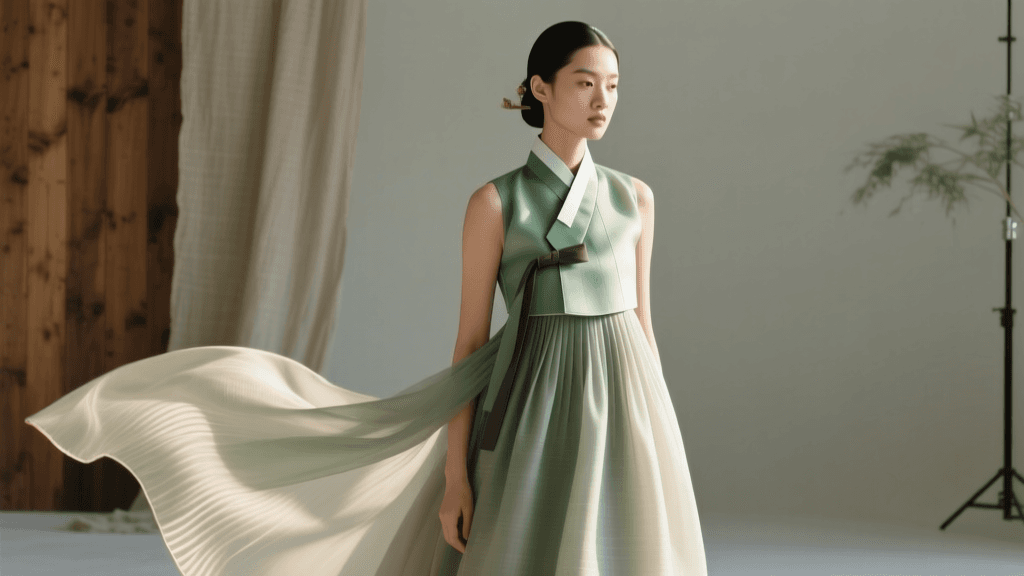
In the realm of the Korean hanbok, Tencel is revolutionizing the way modern designers approach the chima (skirt) and baji (trousers). Traditional hanbok skirts rely on the voluminous stiffness of silk organza or the heavy, pooling drape of silk satin. Tencel twill and Tencel-satin weaves offer a stunning middle ground. A medium-weight Tencel twill holds the deep, structural pleats of a hanbok skirt beautifully, providing the iconic bell-like volume without the static cling associated with synthetic polyester blends. Furthermore, Tencel's high tensile strength means it can support the weight of heavy embroidery and metallic threadwork often used in dangui (ceremonial jackets) and wedding hanbok, without tearing at the stress points.
One of the most significant advantages of Tencel for hanbok construction is its thermoregulating capability. Winter hanbok, traditionally lined with heavy cotton or wool, can now be lined with brushed Tencel, providing warmth without excessive bulk, allowing for a more streamlined silhouette that appeals to contemporary aesthetics.
Cupro (Bemberg): The Vegan Charmeuse Alternative
Cupro, often known by its premier brand name Bemberg, is a regenerated cellulose fiber derived from cotton linter—the ultra-fine, silky fibers that adhere to the cottonseed after ginning. Asahi Kasei's Cupro has long been the gold standard for luxury garment linings, but in 2026, it is increasingly being used as the primary face fabric for evening cheongsam and formal hanbok.
Cupro charmeuse mimics the glossy, reflective surface of heavy silk satin but offers a much more supple, velvet-like drape. It is inherently anti-static, a crucial feature when layering garments, such as wearing a delicate silk jeogori (upper garment) over a Cupro-lined vest. Because it is derived from cotton, it is also fully biodegradable and compostable, aligning with the zero-waste initiatives that many modern Asian fashion houses have adopted this year.
Fabric Comparison Chart: Traditional Silk vs. 2026 Alternatives
Choosing the right fabric requires understanding how these modern alternatives compare to traditional mulberry silk in terms of physical properties and cost. Below is a comprehensive comparison chart tailored for traditional garment makers in 2026.
| Fabric Type | Origin & Process | Drape & Hand-Feel | Breathability | Avg 2026 Cost (per yard) | Best Garment Application |
|---|---|---|---|---|---|
| Mulberry Silk (Charmeuse) | Protein fiber from silkworms | Glossy, highly fluid, slippery | High | $45.00 - $85.00 | Bridal Hanbok, Formal Qipao |
| Bamboo Silk (Viscose) | Cellulose from bamboo grass | Matte-satin, cool, fluid | Very High | $18.00 - $26.00 | Summer Cheongsam, Daily Baji |
| Tencel Lyocell (Twill/Satin) | Closed-loop wood pulp cellulose | Structured yet fluid, peachy | High | $22.00 - $32.00 | Pleated Chima, Embroidered Dangui |
| Cupro (Bemberg Charmeuse) | Regenerated cotton linter | Heavy, glossy, velvet-drape | Moderate | $25.00 - $40.00 | Evening Qipao, Winter Linings |
Sourcing and Cost Guide for 2026
The global supply chain for sustainable textiles has matured significantly by 2026, making these fabrics more accessible to independent designers and hobbyists. While traditional silk prices have fluctuated wildly due to climate impacts on mulberry crops and sericulture labor shortages, cellulosic alternatives have maintained stable, affordable pricing.
- Wholesale Sourcing: For boutique brands producing small runs of modern hanbok or cheongsam, sourcing directly from Lenzing-certified mills in South Korea and China offers the best margins. Expect minimum order quantities (MOQs) of 50 to 100 yards, with prices dropping to the lower end of the spectrum noted in our chart.
- Retail and Deadstock: Platforms specializing in sustainable deadstock fabrics have seen a surge in high-quality Tencel and Cupro remnants. This is an excellent route for bespoke tailors creating one-off ceremonial pieces, allowing access to luxury weights without the wholesale commitment.
- Certifications to Look For: When purchasing, always verify the OEKO-TEX Standard 100 certification, ensuring the fabric is free from harmful chemicals, which is especially important for garments worn close to the skin in humid conditions.
Dyeing and Embroidery Considerations
Traditional Asian garments are renowned for their vibrant colors and intricate embroidery. Cellulosic fibers like bamboo, Tencel, and Cupro take fiber-reactive dyes exceptionally well, often yielding deeper, more colorfast results than protein-based silk, which requires delicate acid dyes. In 2026, eco-friendly, plant-based dyes (such as indigo, madder root, and pagoda tree bud yellow) bond beautifully to Tencel and bamboo, allowing artisans to recreate historical color palettes with superior wash-fastness.
When it comes to embroidery, particularly the metallic couching and silk-thread satin stitches seen in royal hanbok or Shanghai-style qipao, Tencel twill provides a robust canvas. Unlike lightweight silk habotai, which can pucker under the tension of dense embroidery, medium-weight Tencel maintains a flat, smooth surface, reducing the need for heavy tear-away stabilizers that can leave residue in delicate garments.
Sewing and Care Instructions for Cellulosic Blends
Working with sustainable silk alternatives requires specific technical adjustments in the sewing room. While they mimic the look of silk, their cellulose structure behaves differently under the needle and iron.
Needle and Thread Selection
For bamboo silk and Cupro charmeuse, use a Microtex or sharp needle in size 70/10. These fabrics are densely woven and a universal needle can cause snagging or visible holes. For Tencel twill, a standard sharp 80/12 is sufficient. Always use high-quality, long-staple polyester thread or a 50/3 silk-finish cotton thread. Avoid 100% silk thread for seams, as cellulosic fibers have a higher tensile strength than silk thread, which can lead to the thread snapping under the stress of a fitted cheongsam bodice.
Seam Finishes and Construction
Because bamboo and Tencel are prone to fraying along the bias, traditional seam finishes are essential. For unlined summer qipaos, French seams are the gold standard, providing a clean, durable interior that withstands frequent washing. For heavier Tencel hanbok skirts, Hong Kong seam finishes using bias-cut Cupro strips add a beautiful, high-end couture touch to the inside of the garment while preventing fraying.
Washing and Ironing
One of the greatest advantages of 2026's cellulosic alternatives over traditional silk is their ease of care. While dry cleaning is still recommended for heavily embroidered or structured ceremonial pieces, everyday bamboo and Tencel garments can be hand-washed in cool water with a pH-neutral detergent.
When ironing, always use a low-to-medium heat setting with a pressing cloth. Cupro and bamboo silk can develop a permanent shine if exposed directly to a hot iron, similar to silk. Tencel is highly resistant to wrinkling compared to linen or cotton, but a burst of steam will easily relax any creases formed during storage. Never wring or twist these fabrics when wet; instead, roll them in a clean towel to absorb excess moisture and lay them flat to dry, preserving the integrity of the bias cut and the structural pleats of your traditional garments.