Mindful Kitsuke: Kimono Dressing Rituals For Wellness In 2026
The Intersection of Kimono and Mindfulness in 2026
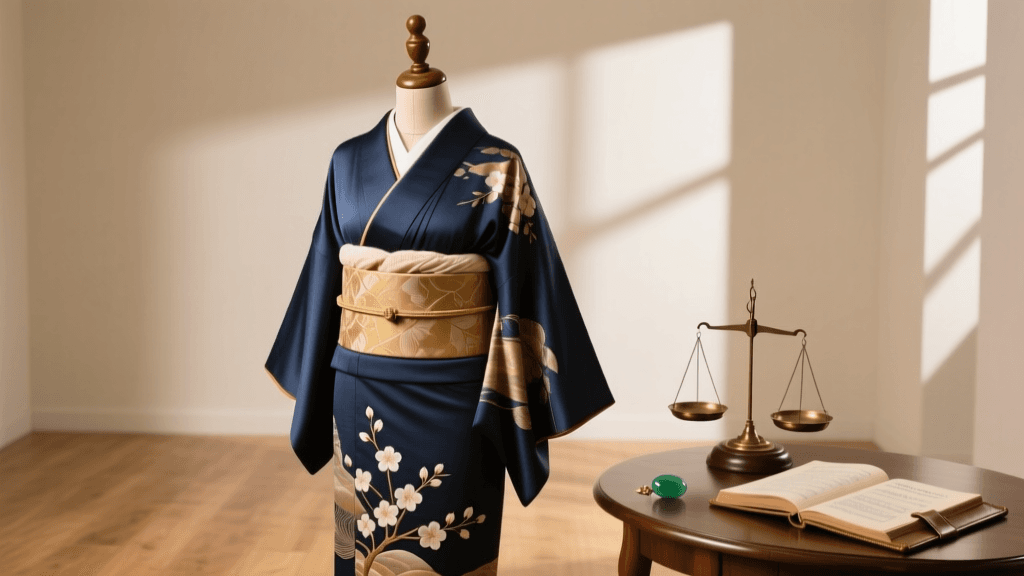
In 2026, the global wellness industry has recognized that true well-being extends far beyond diet, exercise, and digital detoxes; it is deeply intertwined with the physical garments we wear and the daily rituals we perform. As digital fatigue and hyper-accelerated micro-trends reach an all-time high, a growing movement of individuals are turning to the ancient Japanese art of kitsuke (kimono dressing) not merely as a cultural fashion statement, but as a profound mindfulness practice. This intersection of slow fashion and mental health is fundamentally redefining how we interact with our wardrobes, transforming the simple act of getting dressed into a grounding, meditative ceremony.
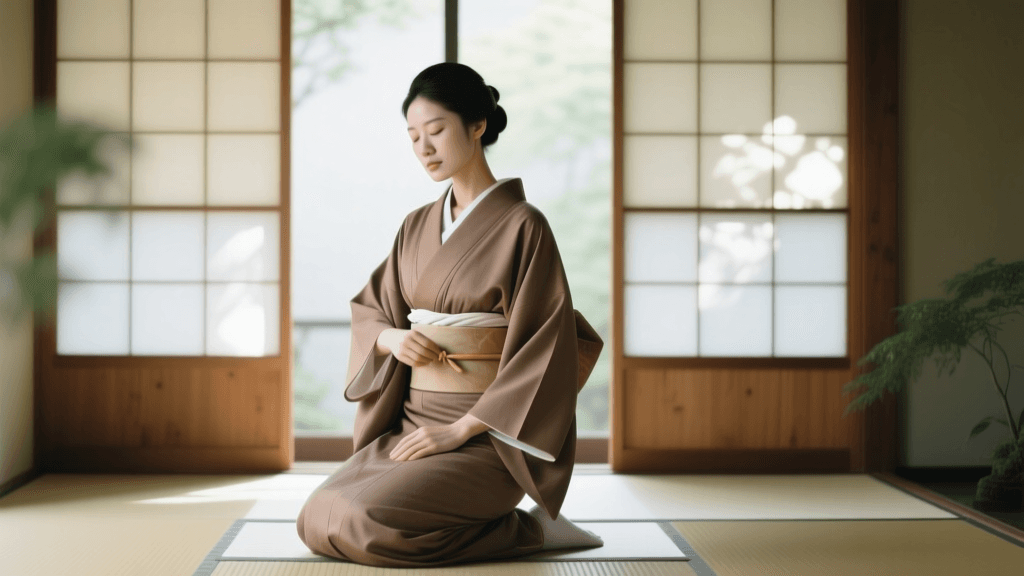
The traditional Japanese kimono is not designed for speed. Its straight seams, layered undergarments, and intricate tying methods demand presence, patience, and deliberate movement. For modern practitioners seeking refuge from the chaos of the mid-2020s, the kimono offers a tactile sanctuary. By engaging in mindful kitsuke, wearers are reclaiming their time, their posture, and their mental clarity, proving that the rituals of the past hold vital therapeutic keys for the future.
The Neuroscience of Slow Dressing and Enclothed Cognition
The psychological impact of clothing is well-documented in modern behavioral science. The concept of 'enclothed cognition' describes the systematic influence that clothes have on the wearer's psychological processes. According to foundational research published in the Journal of Experimental Social Psychology, the symbolic meaning of garments and the physical experience of wearing them can significantly alter cognitive function, attention spans, and emotional regulation. When you put on a kimono, you are not just covering your body; you are adopting the posture, grace, and historical weight of centuries of Japanese artisans.
Furthermore, the physical mechanics of kitsuke provide unique neurological benefits. The process involves deep pressure stimulation, particularly through the tying of the datejime (under-belt) and the obi (sash). This gentle, sustained compression around the core mimics the effects of a weighted blanket, which is known to stimulate the parasympathetic nervous system, lower cortisol levels, and promote a state of calm alertness. The American Psychological Association notes that mindfulness practices involving focused physical movement and somatic awareness are highly effective in reducing anxiety and improving emotional resilience. Mindful kitsuke perfectly marries these elements into a single, beautiful daily habit.
The Step-by-Step Mindful Kitsuke Routine
To transform your morning dressing routine into a wellness ritual, approach each step with deliberate intention. Set aside 20 to 30 minutes in a quiet, uncluttered space. Here is a guided mindful kitsuke routine for 2026:
- Step 1: Centering and the Juban (Undergarments)
Begin by standing barefoot on a tatami mat or soft rug. Take three deep, diaphragmatic breaths. Slip on the nagajuban (under-kimono). As you smooth the fabric over your shoulders, focus on the tactile sensation of the silk or breathable hemp against your skin. Acknowledge this layer as your protective boundary against the outside world. - Step 2: Tying the Koshihimo (Waist Ties)
Wrap the first koshihimo around your waist. Instead of pulling it tight with rushed frustration, use the exhalation of your breath to guide the tension. The tie should feel supportive, not restrictive. This is your foundational anchor, symbolizing your grounding in the present moment. - Step 3: Wrapping the Main Garment
Drape the kimono over your shoulders, ensuring the seams align perfectly with your spine. Cross the left panel over the right (always left over right for the living). As you pull the fabric taut, notice how the straight, unyielding seams naturally correct your posture, pulling your shoulders back and elongating your neck. - Step 4: The Obi as a Meditation Anchor
Tying the obi is the climax of the kitsuke ritual. Whether you are tying a simple taiko musubi (drum knot) or a casual bunko musubi (bow knot), treat the folding of the stiff brocade as an origami meditation. Focus entirely on the geometry of the folds, the sound of the fabric stiffening, and the rhythmic wrapping of the obijime (decorative cord). - Step 5: The Final Mirror Reflection
Step back and observe your silhouette. The kimono hides the individual curves of the body, creating a cylindrical, architectural form. Use this moment to practice body neutrality and appreciation for the artistry of the textile, rather than critiquing your physical shape.
Kimono as the Ultimate Slow Fashion Statement
Beyond mental wellness, mindful kitsuke is a powerful act of environmental stewardship. In an era where the Ellen MacArthur Foundation continues to highlight the devastating ecological impact of disposable clothing, the kimono stands as the pinnacle of sustainable, slow fashion. The traditional kimono is cut from a single bolt of fabric called a tanmono, using straight lines that produce virtually zero textile waste. Furthermore, the garment is entirely deconstructable; it can be unpicked, washed, re-dyed, and resewn, or passed down through generations without losing its structural integrity.
By choosing to wear vintage, upcycled, or ethically sourced modern kimono in 2026, practitioners actively reject the toxic cycle of fast fashion. The mindfulness extends to the lifecycle of the garment itself, fostering a deep sense of gratitude and respect for the resources and human labor required to create it.
Comparative Analysis: Fast Fashion vs. Mindful Kitsuke
Understanding the stark contrast between modern convenience and traditional ritual highlights why kitsuke is so effective for mental well-being.
| Aspect | Fast Fashion Morning Routine | Mindful Kitsuke Ritual |
|---|---|---|
| Time Allocation | 3-5 minutes, often rushed and multitasked. | 20-30 minutes of dedicated, single-task focus. |
| Physical Sensation | Synthetic fabrics, restrictive waistbands, poor fit. | Natural fibers, supportive core compression, posture correction. |
| Mental State | Decision fatigue, stress, focus on daily anxieties. | Flow state, groundedness, somatic awareness. |
| Environmental Impact | High waste, microplastic shedding, short lifecycle. | Zero-waste pattern cutting, multi-generational lifespan. |
Essential 2026 Tools for a Comfortable Practice
While traditionalists may insist on strict historical accuracy, the 2026 wellness-focused kitsuke movement embraces ergonomic adaptations that prioritize physical comfort and spinal health without sacrificing the aesthetic silhouette. To build a sustainable mindfulness practice, consider investing in the following modern tools:
- Ergonomic Obi-ita (Belt Boards): Modern obi-ita are now crafted with flexible, breathable memory-foam cores wrapped in silk. They provide a smooth surface for the obi while supporting the lumbar spine and preventing the stiff digging that historically caused discomfort during long wear.
- Sustainable Hemp Koshihimo: Traditional waist ties are often made of polyester or stiff cotton. In 2026, wellness practitioners prefer organic, unbleached hemp ties. Hemp is naturally antimicrobial, highly breathable, and softens beautifully over time, providing a gentle but secure grip that does not irritate the skin.
- Digital-Free Dressing Mirrors: To maintain the sanctity of the ritual, many practitioners are installing 'smart-glass' mirrors in their dressing areas that remain entirely opaque and analog, free from integrated screens, notifications, or digital lighting adjustments that could break the meditative focus.
Integrating Kitsuke into Modern Life
The most common objection to adopting mindful kitsuke is the perceived lack of time. However, wellness experts argue that the time spent is not 'lost' but rather 'invested' in cognitive maintenance. You do not need to wear a full silk kimono to the office every day to reap the benefits. Many practitioners in 2026 adopt a 'Sunday Silk' or 'Mindful Monday' approach, dedicating just one morning a week to the full ritual. Others practice 'half-kitsuke,' pairing a traditional kimono top with modern, wide-leg linen trousers, allowing for a modified, 10-minute mindfulness exercise before starting the workday.
Conclusion
The art of kitsuke is a profound reminder that clothing is not merely a superficial covering, but an intimate environment we inhabit. By slowing down and engaging with the intricate, deliberate process of dressing in a kimono, we offer our nervous systems a much-needed reprieve from the speed of modern life. In 2026, as we continue to seek holistic avenues for mental health and environmental sustainability, the mindful wrapping of silk and hemp serves as a beautiful, wearable meditation—a daily return to the center of ourselves.