Baltic Amber & Vainags Headwear: 2026 Festival Guide

The Renaissance of Baltic Folk Accessories in 2026
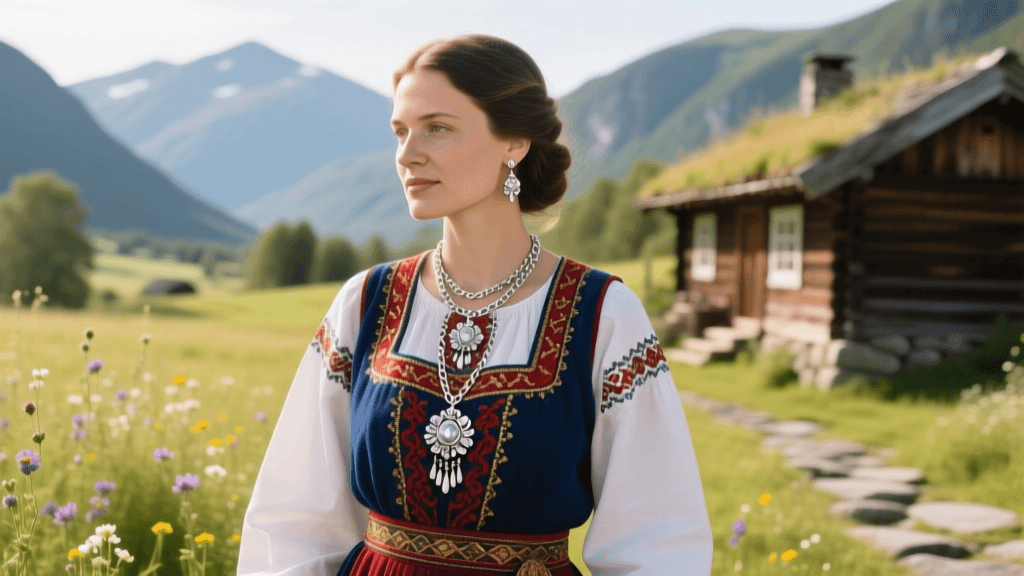
As the 2026 European folk festival season rapidly approaches, enthusiasts, cultural historians, and traditional artisans are turning their attention to the intricate details that complete regional folk dress. While the woven textiles and embroidered blouses of Eastern and Northern Europe often steal the spotlight, it is the accessories—specifically Baltic amber jewelry and traditional maiden headwear—that truly anchor a historical ensemble. From the vibrant summer solstice celebrations of Jāņi in Latvia to the grand Lithuanian Song and Dance Festivals, the demand for authentic, historically accurate accessories has reached an all-time high this year.
Understanding the cultural weight, proper construction, and modern sourcing of these items is essential for anyone looking to participate in the 2026 festival circuit with respect and historical accuracy. This comprehensive guide will walk you through the nuances of authenticating Baltic amber, commissioning traditional headwear, and properly styling these treasures for contemporary folk events.
The Heritage and Significance of Baltic Amber (Gintaras)
Baltic amber, or gintaras in Lithuanian and dzintars in Latvian, is not merely a decorative stone; it is a cultural artifact deeply embedded in the mythology and daily life of the Baltic peoples. Historically, amber was believed to possess healing properties, ward off evil spirits, and serve as a direct connection to the sun. In traditional folk dress, amber was predominantly worn by women, with the size and clarity of the beads often indicating the wearer's marital status, regional origin, and family wealth.
According to the Palanga Amber Museum, the tradition of stringing raw, unpolished amber chunks into heavy, multi-strand necklaces dates back centuries. Unlike the highly polished, uniform beads favored in mid-century commercial jewelry, authentic folk amber is celebrated for its natural inclusions, asymmetrical shapes, and raw, tactile texture. In 2026, the revival of the 'raw chunk' aesthetic has dominated artisan markets, with collectors favoring pieces that retain their natural, unaltered crusts.
Sourcing and Pricing: The 2026 Amber Market
The market for genuine Baltic amber has evolved significantly. Due to increased environmental regulations on coastal harvesting and a surge in global demand for organic gemstones, prices for high-quality, raw amber have stabilized at a premium tier in 2026. When sourcing authentic pieces for your folk ensemble, it is crucial to understand current market valuations to avoid overpaying for treated or counterfeit stones.
- Raw, Unpolished Chunk Necklaces (100g - 150g): Expect to pay between €280 and €650 in 2026, depending on the presence of rare botanical inclusions.
- Hand-Carved Amber Brooches: Traditional sun-cross or leaf motifs crafted by certified artisans typically range from €120 to €300.
- Amber Bead Sashes and Belt Accents: Heavy, multi-strand amber belts, often worn over the woven sashes of Lithuanian tautiniai drabužiai, command prices from €800 to over €1,500 due to the sheer volume of material required.
Authenticating Amber: A Buyer's Guide
With the rise of advanced synthetic resins and the prevalence of younger, cheaper copal being sold as mature amber, authentication is a critical skill for the 2026 folk dress collector. The Gemological Institute of America (GIA) outlines several non-destructive methods to verify Baltic amber. Below is a comparison chart to help you test your pieces at home before integrating them into your festival attire.
| Test Method | Authentic Baltic Amber Result | Copal / Plastic Fake Result |
|---|---|---|
| Saltwater Float Test | Floats in a solution of 1 part salt to 4 parts water. | Sinks, or requires an oversaturated, slushy salt mixture to float. |
| UV Fluorescence | Emits a distinct pale blue, green, or milky white glow under UV light. | Shows no fluorescence, or glows a bright, artificial chemical white. |
| Electrostatic Charge | When rubbed on wool, it generates a static charge strong enough to pick up small paper scraps. | Fails to hold a static charge, or picks up very little. |
| Hot Needle Test (Caution) | Emits a pleasant, distinct scent of pine resin and wood smoke. | Smells like burning plastic, sweet chemicals, or emits no odor. |
Note: Always perform the hot needle test on an inconspicuous area or a spare bead, as it will leave a permanent micro-burn mark on the amber.
Traditional Headwear: The Latvian Vainags and Lithuanian Rūta
No Baltic folk ensemble is complete without the proper headwear, which historically served as the most potent indicator of a woman's age and marital status. The two most iconic pieces of maiden headwear are the Latvian vainags and the Lithuanian rūta wreath or karūna.
The Latvian Vainags (Metal Crown)
The vainags is a rigid, crown-like headpiece traditionally worn by unmarried Latvian women. Constructed from a base of heavy brass, bronze, or silver, it is adorned with intricate metal cutouts, glass beads, and sometimes dangling metallic spangles that catch the light during traditional circle dances. As documented by the organizers of the Latvian Song and Dance Celebration, the visual impact of hundreds of women wearing gleaming vainagi under the summer sun is a cornerstone of the national cultural identity.
2026 Commissioning Standards: If you are commissioning a vainags from a contemporary metalsmith this year, ensure they are using traditional cold-forging and riveting techniques rather than modern 3D printing or casting, which lacks the historical weight and structural integrity. A high-quality, hand-forged brass vainags will cost between €400 and €850 in 2026.
The Lithuanian Rūta (Rue Wreath)
In contrast to the rigid metal crowns of Latvia, traditional Lithuanian maiden headwear often centered around the rūta (rue), a sacred herb symbolizing virginity and youth. While actual woven rue leaves were used for weddings and intimate ceremonies, festival wear often featured stylized wreaths made of silk ribbons, metallic threads, and small artificial flowers, sometimes built over a stiffened wire or cardboard base.
Measurements and Construction Standards for Headwear
Ill-fitting headwear can ruin the silhouette of a meticulously researched folk costume. When ordering or crafting your headwear for the 2026 season, adhere to these specific measurement guidelines:
- Base Circumference: Measure the head exactly where the crown will sit, typically about 1.5 inches (4 cm) above the eyebrows and resting just below the occipital bone at the back. Standard adult circumferences range from 54 cm to 58 cm.
- Crown Height: For a Latvian vainags, the central spikes or decorative elements should rise no higher than 6 cm to 8 cm above the base band. Anything taller becomes historically inaccurate and physically top-heavy for active dancing.
- Weight Distribution: A proper vainags should weigh between 150g and 250g. Ensure the inner band is lined with soft, natural leather or velvet to prevent the raw brass from tarnishing against the skin and causing irritation during long festival days.
Styling and Preservation for Modern Festivals
Integrating these heavy, historical pieces into your 2026 festival wardrobe requires an understanding of balance and preservation. Baltic amber is relatively soft, ranking between 2.0 and 2.5 on the Mohs hardness scale, making it highly susceptible to scratching from modern metal zippers, synthetic belt buckles, or harsh cosmetics.
'When dressing in full national costume, always put your amber necklace on last, after all hairsprays, perfumes, and modern sunscreens have been applied and fully dried. The alcohol and chemicals in modern cosmetics will permanently cloud the natural patina of raw Baltic amber over time.' — Master Artisan Guild of Vilnius, 2026 Care Guidelines
To clean your amber after a dusty day at the folk festival, use only a soft, untreated microfiber cloth and lukewarm water. Never use ultrasonic jewelry cleaners, steamers, or chemical dips. For your brass vainags, avoid commercial brass polishes that contain ammonia; instead, use a natural paste of lemon juice and baking soda applied with a soft toothbrush, buffing gently to maintain the antique, slightly oxidized look preferred by historical reenactors.
Conclusion
The accessories of European folk dress are far more than mere embellishments; they are the physical manifestations of regional identity, ancestral beliefs, and master craftsmanship. As you prepare for the 2026 folk festival season, investing time in sourcing authentic Baltic amber and properly fitted, historically accurate headwear will elevate your ensemble from a simple costume to a living tribute to Baltic heritage. By understanding the material properties of amber and the precise construction of the vainags and rūta, you ensure that these beautiful traditions continue to shine brightly on the festival grounds for generations to come.