Baltic Amber & Slavic Vinok Wreaths: 2026 Styling Guide
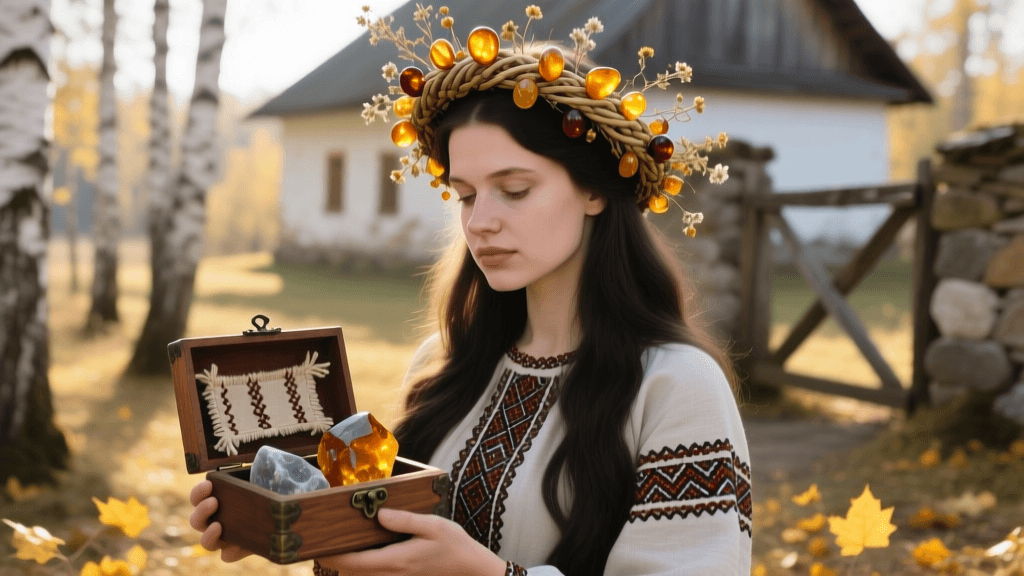
The year 2026 has witnessed a remarkable renaissance in the appreciation and wearing of traditional European folk dress. Moving beyond museum exhibits and historical reenactments, contemporary enthusiasts, cultural preservationists, and festival-goers are integrating authentic regional accessories into their wardrobes with unprecedented dedication. Among the most visually striking and culturally profound of these accessories are the Slavic vinok (floral wreath) and traditional Baltic amber jewelry. These elements are not merely decorative; they are intricate visual languages that communicate regional identity, marital status, and spiritual beliefs.
For those looking to source, style, and preserve these heritage pieces in 2026, understanding the historical construction techniques alongside modern material advancements is essential. This comprehensive guide explores the anatomy of the Slavic vinok, the geological and cultural weight of Baltic amber, and actionable advice for acquiring authentic pieces in today's market.
The Slavic Vinok: Anatomy of the Traditional Floral Wreath
The vinok is a traditional Ukrainian and broader Slavic headpiece historically worn by unmarried young women. Far from a simple crown of daisies, the authentic vinok is a highly structured, deeply symbolic garment governed by strict regional rules regarding flora, color, and construction. According to cultural heritage initiatives documented by the Smithsonian Center for Folklife and Cultural Heritage, the vinok serves as a protective talisman and a marker of youth and purity, with its origins tracing back to pre-Christian Slavic rituals honoring the sun and the harvest.
The Base and Floral Selection
Traditionally, the base of a vinok was constructed from flexible birch bark, willow branches, or stiffened linen, designed to sit securely on the crown of the head without crushing the hair. In 2026, artisan makers frequently use lightweight, fabric-wrapped aluminum armatures that provide historical silhouettes while offering modern durability for all-day festival wear.
The floral selection is where the vinok truly speaks. An authentic wreath incorporates up to twelve different types of flowers, each carrying specific meaning:
- Periwinkle (Barvinok): The foundational greenery, symbolizing everlasting life, fidelity, and the enduring soul.
- Cornflower (Voloshka): Represents modesty, grace, and the deep blue skies of the steppe.
- Poppy (Mak): A symbol of beauty, youth, and historical remembrance.
- Sunflower (Sonyashnyk): Placed at the front or center, denoting warmth, strength, and the sun god Dazhbog.
- Myrtle (Myrta): Often used in wedding-adjacent ceremonies, symbolizing love and purification.
The Language of Ribbons
Attached to the back of the vinok are multiple silk or satin ribbons, which should ideally reach the length of the wearer's braided hair or slightly longer. The color sequence is not random. The innermost ribbon, closest to the head, is traditionally light blue, representing the sky. This is followed by yellow (the sun), light green (beauty and nature), orange (bravery), red (vitality), and purple (wisdom). In the 2026 revival scene, hand-dyed mulberry silk ribbons are the gold standard, offering a luminous drape that synthetic satins cannot replicate.
Baltic Amber: The Gold of the North in Folk Jewelry
While the vinok crowns the head, Baltic amber (succinite) adorns the neck and bodice. Formed from the fossilized resin of ancient coniferous forests over 40 million years ago, Baltic amber has been a cornerstone of Eastern European, Polish, Lithuanian, and Belarusian folk dress for centuries. The Victoria and Albert Museum's jewellery archives note that regional European peasant dress often relied on locally sourced, high-impact materials like amber and red coral to signify family wealth and provide spiritual protection against the 'evil eye'.
Historical Configurations and Styling
In traditional folk ensembles, amber was rarely worn as a single, delicate pendant. Instead, it was crafted into heavy, multi-strand necklaces known as korali (though this term also applies to red coral, the two were often mixed). A wealthy woman's folk dress in the 19th century might feature five to seven strands of graduated amber beads, resting heavily against the linen or wool of the embroidered vyshyvanka (shirt).
For 2026 styling, the trend has shifted heavily toward 'raw' or 'knapped' amber—stones that have been shaped but left largely unpolished to preserve the natural, tactile bark-like exterior and internal prehistoric inclusions. This raw aesthetic pairs beautifully with the highly textured, geometric embroidery of traditional Slavic garments, creating a striking contrast between the organic resin and the precise needlework.
Identifying Authentic Baltic Amber in 2026
As demand for heritage folk accessories has surged, so has the market for counterfeit amber, particularly copal (immature resin) and compressed amber dust. The International Amber Association continuously updates its guidelines for consumers to ensure they are purchasing genuine Baltic succinite. When sourcing amber for your folk dress collection in 2026, employ these verification methods:
- The Saltwater Test: Genuine Baltic amber has a specific gravity that allows it to float in a saturated saltwater solution (1 part salt to 2 parts water), while most plastics and glass will sink.
- UV Fluorescence: Under a standard UV blacklight, authentic Baltic amber will emit a distinct milky-blue or greenish fluorescence. Copal and synthetic resins typically remain inert or glow a dull white.
- Electrostatic Properties: When rubbed vigorously against natural wool, real amber generates a negative static charge capable of picking up small pieces of tissue paper.
2026 Sourcing Guide: Materials, Measurements, and Costs
Building an authentic folk dress accessory kit requires an understanding of current market values and material longevity. Below is a comprehensive comparison chart detailing the components of the vinok and amber jewelry, tailored for the 2026 market.
| Accessory Component | Traditional Material | 2026 Modern Alternative | Avg. 2026 Cost (USD) | Durability & Care |
|---|---|---|---|---|
| Vinok Base Structure | Birch bark, willow | Fabric-wrapped aluminum wire | $15 - $30 | Highly durable; keep dry to prevent wire oxidation. |
| Vinok Florals | Fresh-picked local herbs | Freeze-dried botanicals / Silk | $45 - $120 | Silk lasts decades; freeze-dried requires UV-protective storage. |
| Vinok Ribbons | Hand-woven linen | Hand-dyed mulberry silk | $8 - $12 per yard | Dry clean only; iron on low heat to maintain drape. |
| Amber Beads (Polished) | Tumbled Baltic succinite | Certified polished succinite | $3 - $5 per gram | Wipe with soft cloth; avoid alcohol-based perfumes. |
| Amber Beads (Raw) | Knapped, unpolished resin | Ethically sourced raw nuggets | $8 - $15 per gram | Highly fragile; store individually in soft linen pouches. |
Measurements and Proportions
When commissioning or assembling a multi-strand amber necklace for folk dress, proportions are critical to achieving the correct historical silhouette. A traditional five-strand necklace should be graduated in length. The innermost strand should sit snugly at the base of the throat (approximately 14 inches or 35 cm), with each subsequent strand dropping by 1.5 inches (4 cm). The beads themselves should be graduated in size, with the largest beads (often 15mm to 20mm in diameter) positioned at the center of the collarbone, tapering down to 6mm beads near the clasp. In 2026, heavy-duty silk bead cord with a sterling silver bayonet clasp is recommended over traditional cotton thread, which degrades under the weight of the stones.
Caring for Your Heritage Accessories
Preserving these items requires an understanding of their organic nature. Amber is exceptionally soft, rating only 2 to 2.5 on the Mohs hardness scale. It must be stored away from harder gemstones and metals to prevent deep scratching. Furthermore, amber is highly sensitive to modern chemical solvents; hairspray, alcohol-based perfumes, and harsh cosmetics will cause the surface to cloud and develop a network of fine cracks known as 'crazing'.
The vinok, particularly those utilizing preserved real flowers or high-end silks, must be stored in a rigid, acid-free hat box. Humidity is the enemy of both the floral dyes and the structural integrity of the base. Including silica gel packets in the storage box will ensure the ribbons remain crisp and the flowers retain their vibrant, symbolic colors for generations.
Conclusion
The integration of the Slavic vinok and Baltic amber jewelry into contemporary wardrobes is a powerful testament to the enduring legacy of European folk dress. By respecting the historical symbolism of the floral arrangements, understanding the geological rarity of genuine succinite, and utilizing modern preservation techniques, today's enthusiasts can wear these artifacts not as costumes, but as living, breathing extensions of cultural heritage. As the 2026 festival and cultural exhibition seasons unfold, these meticulously crafted accessories will continue to bridge the gap between ancient traditions and modern sartorial expression.