Baltic Amber & Slavic Vinok Headwear Guide 2026: Styling & Sourcing
The Resurgence of Eastern European Folk Accessories in 2026
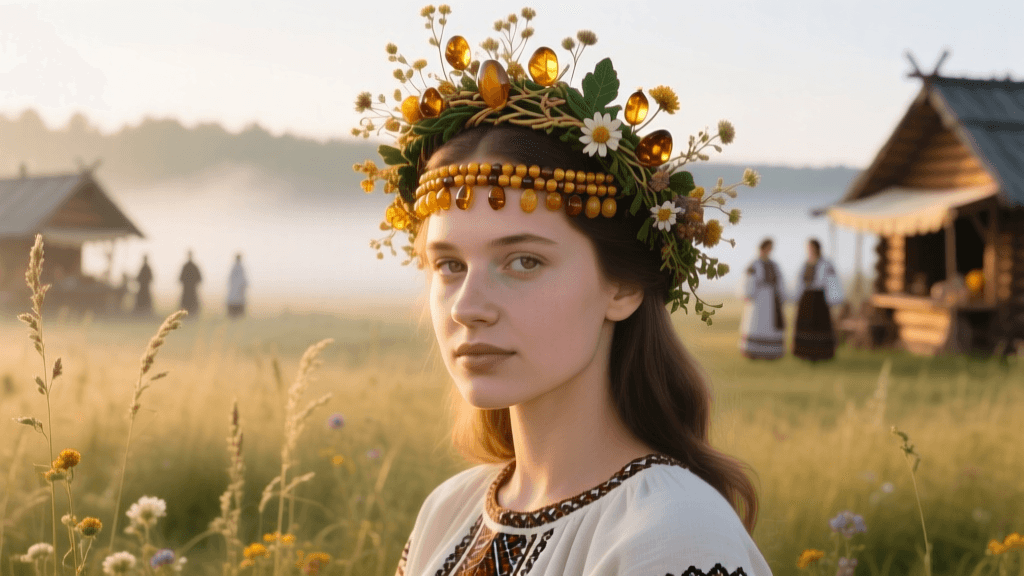
As we navigate the 2026 festival season, the global appreciation for Eastern European folk dress has reached unprecedented heights. Moving beyond generalized historical reenactment, modern enthusiasts and cultural practitioners are focusing on hyper-specific, regionally accurate accessories. Two elements stand at the forefront of this revival: the vinok (the traditional Slavic floral wreath headwear) and namysto (heavy, multi-strand Baltic amber jewelry). Together, these pieces represent a profound connection to agrarian roots, spiritual protection, and regional identity.
Whether you are preparing for the upcoming Ivan Kupala midsummer celebrations, attending a heritage folk dance competition, or simply integrating traditional European folk dress into a contemporary wardrobe, understanding the construction, sourcing, and styling of these accessories is paramount. This comprehensive guide will walk you through the exact measurements, 2026 market pricing, and authenticity testing required to build a historically grounded and visually stunning folk accessory ensemble.
Crafting the Authentic Slavic Vinok (Floral Wreath)
The vinok is far more than a simple flower crown. According to the Encyclopedia of Ukraine, the wreath historically served as a talisman against evil spirits and a marker of a young woman's marital status and regional origin. While modern fast-fashion retailers sell flimsy, synthetic versions, a true folk dress practitioner in 2026 must construct a vinok using traditional botanical frameworks and precise ribbon work.
Step-by-Step Construction and Sizing
To create a durable, historically accurate vinok that will survive a full day of outdoor festival dancing, you must build a structured base. Avoid using fragile vine alone; instead, combine natural materials with modern structural support.
- The Base Framework: Cut a piece of 18-gauge galvanized floral wire to match your head circumference plus 5 centimeters for overlap. Wrap this wire tightly in green floral tape to prevent it from snagging on hair.
- Botanical Wrapping: Traditionally, flexible willow or birch branches were used. For 2026 crafting, soak dried willow whips in warm water for two hours until pliable, then weave them over the wire base. Secure with natural hemp twine.
- Floral Attachment: Use 22-gauge paddle wire to bind your chosen flowers to the base. Always wire individual flower stems rather than using hot glue, which will melt in the summer sun and damage historical textiles.
- The Ribbons (Strichky): The ribbons trailing down the back are iconic. Cut exactly 12 satin or silk ribbons, each measuring 120 centimeters in length. The colors must be specific: typically light blue, yellow, orange, red, green, and white, representing the elements and the sun. Attach these to the back center of the wire base using a secure overhand knot, hiding the join with a cluster of baby's breath or chamomile.
Traditional Flora and Symbolism
Every flower woven into the vinok carries specific ethnobotanical meaning. Below is a guide to the most traditional flora used in Eastern European headwear, along with their seasonal availability for 2026 foraging and purchasing.
| Botanical Name | Common Name | Symbolic Meaning | 2026 Peak Sourcing Season |
|---|---|---|---|
| Centaurea cyanus | Cornflower | Beauty, grace, and the watchful eye of the divine | Early June to Mid-July |
| Matricaria chamomilla | Chamomile | Peace, health, and familial harmony | May to August |
| Vinca minor | Periwinkle | Eternity, life force, and marital fidelity | Year-round (evergreen) |
| Viburnum opulus | Guelder Rose (Kalyna) | Resilience, ancestral bloodlines, and protection | Late August (berries) |
| Quercus robur | Oak Leaves | Strength, courage, and connection to Perun (thunder) | May (young leaves) |
Sourcing Authentic Baltic Amber Jewelry
No Eastern European folk ensemble is complete without amber. Known as the 'Gold of the North,' Baltic amber (succinite) has been carved into beads and amulets for millennia. The International Amber Association notes that true Baltic amber is fossilized tree resin dating back 44 million years, possessing unique electrostatic and optical properties that modern synthetics struggle to replicate.
However, the 2026 market is heavily saturated with copal (immature, often Colombian or Madagascar resin that is only hundreds of years old) and pressed amber dust mixed with synthetic polymers. Sourcing genuine namysto—the heavy, multi-strand amber necklaces worn by Carpathian and Polissya women—requires a discerning eye and an understanding of current market valuations.
2026 Market Pricing and Amber Grades
When building a traditional multi-strand necklace, you will typically need between 150 and 300 grams of amber, depending on the bead size and the number of strands (usually 3 to 7 strands). Here is the current 2026 pricing landscape for authentic Baltic amber:
- Raw, Unpolished Chips: $4 to $8 per gram. Ideal for highly rustic, ancient-style reenactment looks. These retain the natural, pitted bark-like exterior of the resin.
- Tumbled and Polished Pebbles: $10 to $18 per gram. The most historically accurate choice for traditional folk dress. These are smoothed by water and friction, mimicking the beads found in 18th and 19th-century ethnographic collections.
- Perfectly Spherical, Machine-Cut Beads: $25 to $40+ per gram. While beautiful, perfectly round beads are largely a mid-20th-century invention and are less appropriate for strict historical folk dress accuracy.
- Inclusion Amber (with ancient insects): $100+ per gram. Generally too expensive and fragile to be strung into heavy festival necklaces; better reserved for singular pendant pieces.
The 3-Step Authenticity Test
Before purchasing any amber piece from online artisans or festival vendors in 2026, perform these three non-destructive tests to ensure you are not buying plastic or copal.
- The Saltwater Float Test: Mix 7 tablespoons of standard table salt into 1 cup of warm water until fully dissolved. Genuine Baltic amber will float in this dense saline solution, while most plastics and glass will sink. Note: Copal will also float, so this test must be combined with the others.
- The UV Light Test: Shine a standard 365nm UV flashlight onto the beads. Authentic Baltic amber will fluoresce a brilliant, pale milky-blue or greenish-white. Copal fluoresces weakly or not at all, and plastic will remain dead and opaque.
- The Electrostatic Test: Rub the amber bead vigorously against a piece of pure wool cloth for 30 seconds. Bring it near a small, torn piece of tissue paper. True amber generates a strong static charge and will lift the paper. Plastics and glass will not.
Styling Namysto and Vinok for Contemporary Festivals
Styling these heavy, historically significant pieces requires an understanding of proportion and regional color theory. According to archival collections documented by Smithsonian Folkways, the visual weight of the jewelry must balance the elaborate headwear.
'The wreath is not merely an adornment; it is a boundary of protection, a living crown that connects the wearer to the earth and the divine. The amber at her throat grounds that spirit, drawing the sun's warmth into the body.' — Traditional Slavic Folklore Proverb
Balancing Proportions and Necklines
A traditional namysto can weigh over half a kilo. To wear this comfortably during a 2026 summer folk festival, follow these styling rules:
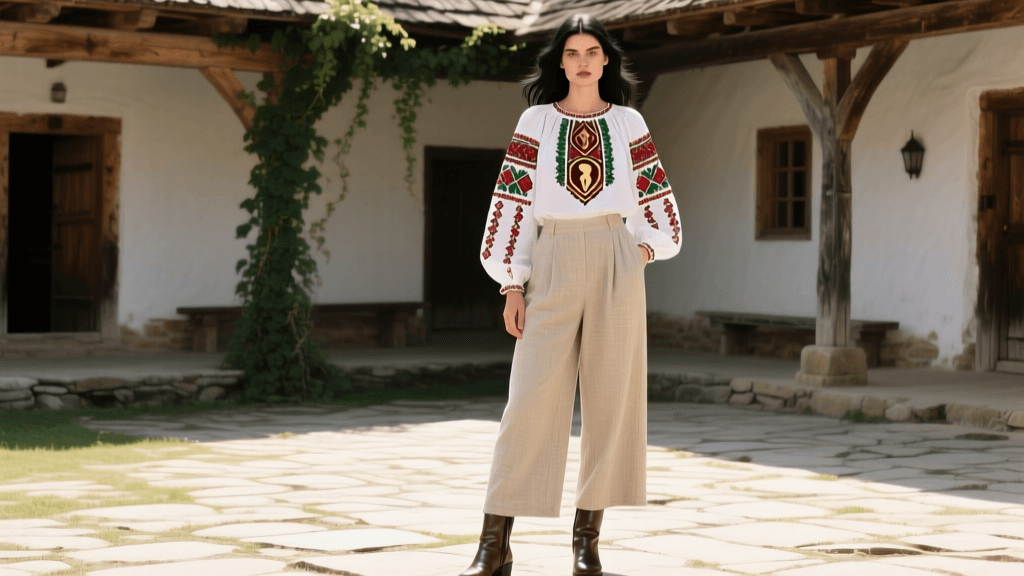
- The Neckline: Pair the amber with a high-necked, linen vyshyvanka (embroidered shirt) or a crisp white cotton blouse with a ruffled collar. The fabric protects your skin from the heavy beads and provides a bright, contrasting canvas that makes the deep honey and cherry hues of the amber pop.
- Graduated Strands: If wearing a multi-strand necklace, ensure it is strung in a graduated pattern. The largest beads (often 20mm to 30mm) should sit at the center of the collarbone, with smaller beads (10mm) tapering up toward the clasp. This distributes the weight evenly and prevents the necklace from choking the wearer.
- Color Harmony: If your vinok features vibrant red Guelder Rose berries and blue cornflowers, choose amber with deep cherry and opaque butterscotch tones to create a warm, complementary color palette. Avoid pairing highly colorful floral headwear with bright, translucent yellow amber, as the ensemble will look visually chaotic.
Care and Storage for Folk Heirlooms
Both the organic materials of the vinok and the fossilized resin of the amber require specific care to survive the 2026 festival season and beyond.
For the Vinok: If you have used fresh flowers, the wreath is ephemeral by design and should be composted after the festival, returning its energy to the earth. If you wish to keep it as a keepsake, construct the wreath entirely from high-quality silk botanicals and dried lavender, storing it in a breathable cardboard box away from direct sunlight to prevent the silk from fading.
For the Amber: Baltic amber is soft (2 to 2.5 on the Mohs scale). Never store your namysto in a jewelry box mixed with silver or gemstones, as they will permanently scratch the resin. After wearing, wipe the amber with a soft, damp microfiber cloth to remove sweat and sunscreen oils, which can cloud the polish over time. Store the necklace flat in a soft velvet pouch, and restring the beads every three years using high-tensile, wax-coated linen thread to prevent catastrophic breakage during wear.
Conclusion
Embracing Eastern European folk dress in 2026 is an act of cultural preservation and profound personal expression. By taking the time to construct a structurally sound, symbolically accurate vinok and rigorously sourcing genuine Baltic amber, you elevate your ensemble from a simple costume to a living piece of heritage. Whether you are dancing around a midsummer fire or attending a contemporary heritage symposium, these meticulously crafted accessories will ensure you carry the history, artistry, and spirit of European folk traditions with absolute authenticity.