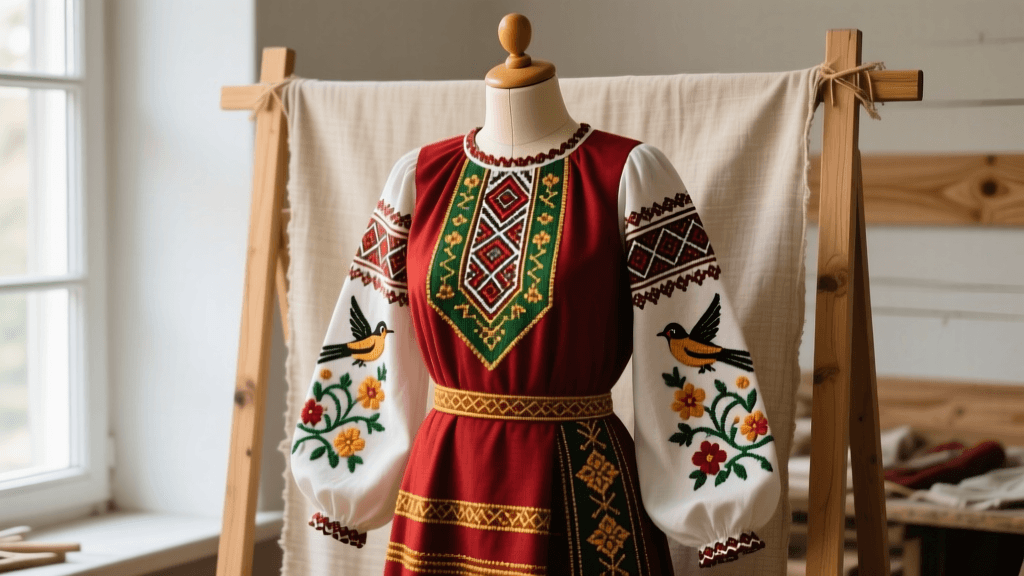
Best Baltic Amber & Slavic Vinok Wreaths for 2026
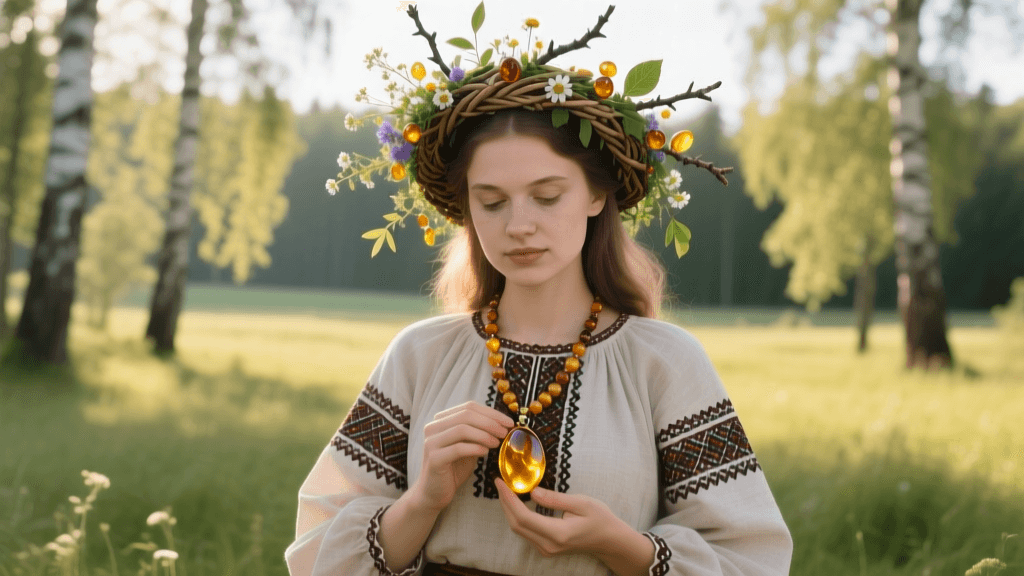
The Resurgence of Eastern European Heritage Accessories in 2026
As the global appreciation for traditional European folk dress continues to evolve, the 2026 festival season has seen a massive resurgence in the demand for authentic, historically accurate accessories. Moving beyond mass-produced costume pieces, modern enthusiasts, cultural preservationists, and folk dancers are seeking out genuine heritage items. Two of the most iconic and highly sought-after accessories in Eastern European folk dress are the Ukrainian vinok (traditional floral wreath) and Baltic amber jewelry. Whether you are preparing for a midsummer Kupala Night celebration, a regional heritage parade, or a contemporary folk-fusion fashion event, understanding the craftsmanship, symbolism, and sourcing of these items is essential.
This comprehensive guide explores the intricate anatomy of the Slavic vinok, the geological and cultural significance of Baltic amber, and actionable advice on how to source, authenticate, and style these breathtaking accessories for 2026.
Deconstructing the Ukrainian Vinok: Symbolism and Structure
The vinok is far more than a simple crown of flowers; it is a complex semiotic system deeply rooted in Slavic agrarian history. Traditionally worn by unmarried young women, the wreath served as a protective talisman and a visual language communicating the wearer's status, intentions, and regional origins. In 2026, contemporary artisans are returning to these strict historical botanical codes, moving away from the arbitrary plastic flower arrangements of the past decade.
The Botanical Code: Choosing the Right Flora
A historically accurate vinok typically incorporates up to twelve different types of plants, each carrying specific symbolic weight. When sourcing or crafting your wreath for the 2026 season, prioritize the following traditional elements:
- Oak Leaves: Representing divine energy, strength, and the enduring life force. Oak leaves are usually placed at the foundation of the wreath.
- Cornflowers (Voloshka): Symbolizing purity, the clear sky, and spiritual sight. Their striking blue hue provides essential color contrast.
- Poppies: Associated with youth, beauty, and the fleeting nature of life, often linked to the remembrance of ancestors.
- Chamomile: A staple of Slavic folk medicine, representing peace, tenderness, and the sun.
- Yarrow (Achillea): Believed to possess powerful protective properties against malevolent spirits and illness.
- Mint and Thyme: Added not just for their vibrant green foliage, but for their aromatic qualities, which were believed to purify the air around the wearer.
The Language of Ribbons (Strichky)
Trailing from the back of the vinok are the strichky, or ribbons. The color sequence is not random. According to ethnographic records, the ribbons must be carefully ordered. The ribbon closest to the hair is typically light brown, symbolizing the earth. This is followed by yellow (the sun), light green and dark green (beauty and youth), blue (the sky and water), and finally, red and purple at the outer edges, representing passion and wisdom. For the 2026 festival circuit, artisans are favoring raw silk and high-quality linen ribbons over synthetic satin, allowing for a more authentic drape and movement during traditional circle dances like the horovod.
Sourcing and Authenticating Baltic Amber (Gintaras)
No Eastern European folk ensemble is complete without the warm, sunlit glow of Baltic amber. Known scientifically as succinite, Baltic amber is the fossilized resin of the extinct Pinus succinifera tree, dating back over 40 million years. Historically traded along the ancient Amber Road, it remains a cornerstone of Polish, Lithuanian, and Ukrainian traditional jewelry.
According to the Gemological Institute of America (GIA), genuine Baltic amber is distinguished by its high succinic acid content, which sets it apart from copal (younger, semi-fossilized resin) and amber from other global regions like the Dominican Republic. As market demand surges in 2026, so does the prevalence of synthetic imitations made from epoxy resins and dyed plastics. Knowing how to authenticate your amber is critical.
The 2026 Amber Authentication Toolkit
When sourcing amber beads, pectorals, or earrings from artisan markets or online heritage jewelers, employ these non-destructive testing methods:
- The Saltwater Test: Genuine Baltic amber has a specific gravity of 1.05 to 1.10. Mix 10 grams of standard table salt into 100 milliliters of warm water. Genuine amber will float in this saturated solution, while most glass, bakelite, and heavy plastic imitations will sink.
- The UV Fluorescence Test: Under a standard 365nm UV flashlight, authentic Baltic amber will fluoresce a pale blue, milky green, or soft yellow. Copal tends to show a chalky white fluorescence, while plastics remain dull.
- The Electrostatic Test: Vigorously rub the amber bead against a piece of natural wool cloth for ten seconds. Genuine amber will develop a static charge strong enough to pick up small pieces of torn tissue paper.
For a deeper understanding of regional classifications and ethical mining standards, the International Amber Association provides excellent resources on identifying certified Baltic amber dealers who adhere to sustainable extraction practices.
2026 Baltic Amber Classification and Pricing Guide
The market for Baltic amber has stabilized in 2026, with a clear premium placed on raw, unmodified stones that retain their natural botanical inclusions. Below is a comparison chart to help you budget for your folk dress accessories.
| Amber Type | Description & Characteristics | 2026 Avg. Price (per gram) | Best Use in Folk Dress |
|---|---|---|---|
| Raw / Unpolished | Natural exterior crust, matte finish, highest tactile warmth. Often contains natural pits. | $4.00 - $8.00 | Heavy statement pectorals, traditional Slavic bridal necklaces. |
| Polished / Tumbled | Smooth, highly translucent, showcases internal sun spangles and clarity. | $2.50 - $5.00 | Multi-strand festival necklaces, rosaries, embroidered bodice accents. |
| Pressed (Ambroid) | Made from fused amber dust and small chips under heat and pressure. Uniform but less valued. | $0.50 - $1.50 | Large theatrical costume pieces, belt buckles, hair combs. |
| Inclusion Amber | Contains prehistoric insects or plant matter. Highly prized by collectors and historians. | $15.00 - $50.00+ | Central focal pendants, heirloom pieces, museum-quality replicas. |
Step-by-Step Vinok Construction for Modern Wearers
While purchasing a pre-made vinok from a master artisan is always an option, many folk dress enthusiasts in 2026 are opting to construct their own to ensure a perfect fit and personalized botanical selection. Here is a practical guide to building a durable, festival-ready wreath.
Materials Needed
- 18-gauge green floral wire (for the main structural base)
- 24-gauge paddle wire (for securing individual stems)
- Floral tape (to wrap the base and prevent hair snagging)
- Fresh botanicals or high-grade polyurethane (PU) realistic silk flowers
- Wide linen or silk ribbons (2 to 3 yards of each color)
- Heavy-duty wire cutters and needle-nose pliers
Assembly Process
Begin by measuring the circumference of the wearer's head, adding two inches for overlap and comfort. Cut the 18-gauge wire to this length and form a circle, twisting the ends securely. Wrap the entire wire base in floral tape. Next, prepare your botanicals by cutting them into small, manageable sprigs (about 3 to 4 inches long). Starting at the front center of the wreath, attach the largest focal flowers (like sunflowers or large poppies) using the 24-gauge paddle wire. Work your way outward and backward, layering oak leaves and smaller filler flowers like chamomile and yarrow. Ensure all wire stems point in the same direction along the base to maintain a smooth profile. Finally, attach the ribbons at the back inner edge of the wreath, securing them tightly so they trail down the wearer's back without tangling during movement.
Styling Amber and Vinok for Contemporary Folk Festivals
Integrating these historical accessories into a modern wardrobe requires a balance of respect for tradition and practical styling. As noted in historical overviews of fossil resins by Encyclopedia Britannica, amber has been utilized for personal adornment since the Neolithic era, prized for its warm, organic glow against natural textiles.
For the 2026 festival season, pair a multi-strand raw amber necklace with a white linen vyshyvanka (embroidered blouse). The matte, earthy texture of the raw amber perfectly complements the geometric red and black cross-stitch patterns typical of central Ukrainian embroidery. Avoid pairing heavy amber pectorals with highly patterned or brightly colored garments; let the amber be the focal point against a neutral, natural-fiber background.
When wearing the vinok, ensure it sits low on the forehead, just above the eyebrows, rather than perched high on the crown of the head. This historical placement not only looks more authentic but also lowers the center of gravity, preventing the wreath from slipping during vigorous folk dancing. Secure the wreath with U-shaped hairpins woven into the floral wire base and your natural hair for all-day stability.
Conclusion
The revival of Eastern European folk dress in 2026 is characterized by a deep commitment to authenticity, material integrity, and cultural storytelling. By understanding the profound symbolism of the vinok's botanical elements and learning to identify genuine Baltic amber, you do more than just accessorize an outfit—you participate in the living preservation of European heritage. Whether you are meticulously wiring oak leaves to a floral base or sourcing a perfect strand of unpolished succinite, these accessories connect the modern wearer to centuries of agrarian tradition, artistry, and resilience.