Top Authentic Vyshyvanka & Romanian Ie Embroidery Kits 2026
The 2026 Revival of Eastern European Textile Arts
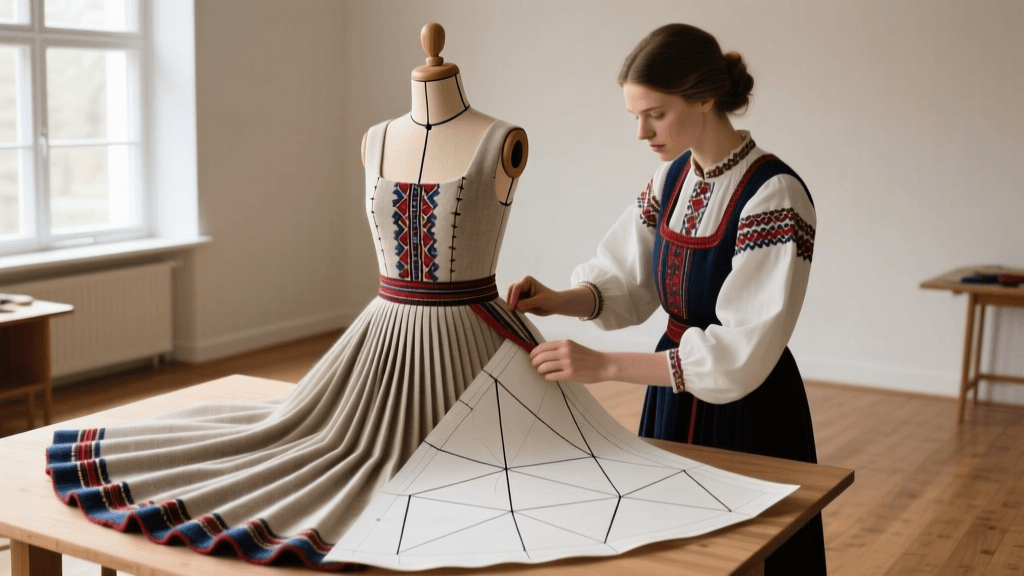
The resurgence of Eastern European folk dress has reached a remarkable pinnacle in 2026. No longer confined to museum archives or annual heritage festivals, traditional garments like the Ukrainian vyshyvanka and the Romanian ie (pronounced "yeh") are being embraced as living, breathing expressions of cultural identity and slow fashion. For textile enthusiasts, historians, and DIY crafters, this year offers an unprecedented opportunity to engage with Slavic and Balkan embroidery techniques. Whether you are looking to stitch your first authentic blouse or source museum-grade linen for a traditional Balkan vest, understanding the roots, materials, and modern kit options for these garments is essential.
In 2026, the global appreciation for heritage craftsmanship has driven a massive surge in demand for authentic Eastern European folk dress. According to the UNESCO Intangible Cultural Heritage frameworks, the preservation of traditional embroidery is not merely about saving old patterns; it is about sustaining community identity and passing down ancestral knowledge. Modern artisans and heritage brands are now offering comprehensive embroidery kits that pair historically accurate motifs with sustainably sourced European flax linen. This renaissance is heavily supported by digital archives and community-led workshops that have made regional techniques—from the Carpathian Mountains to the Pannonian Basin—accessible to a global audience.
Decoding Traditional Motifs: More Than Just Decoration
To create an authentic garment in 2026, one must understand that Slavic and Balkan embroidery is a complex visual language. Every geometric shape, floral vine, and color choice holds specific apotropaic (protective) or symbolic meaning. Wearing these motifs was historically believed to protect the wearer from evil spirits and ensure a bountiful harvest.
Ukrainian Vyshyvanka Symbols
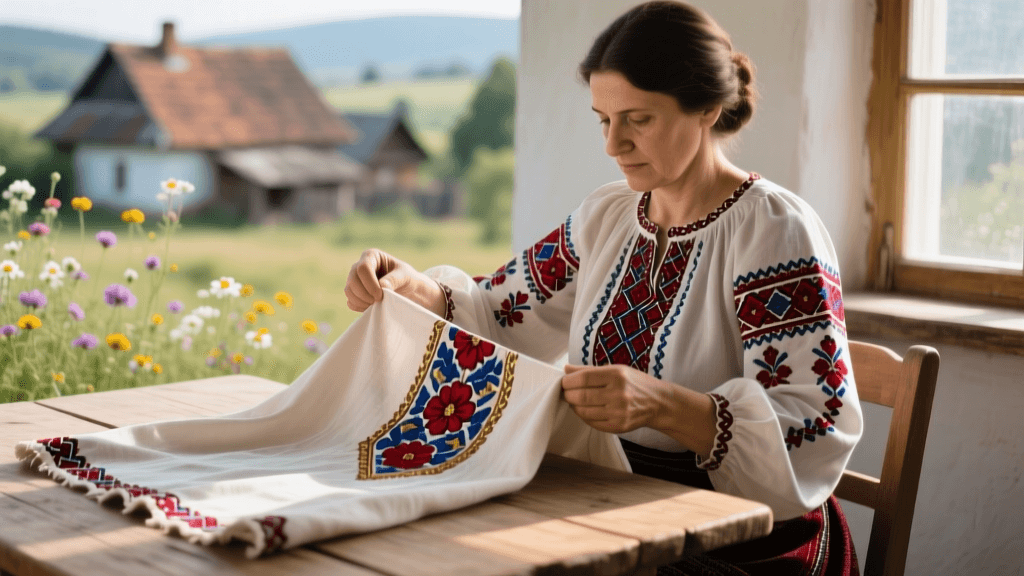
The vyshyvanka is renowned for its intricate geometric and floral patterns, typically concentrated on the collar, cuffs, and chest panel. The rhombus (diamond) is one of the most ancient and prevalent motifs, symbolizing fertility, prosperity, and the sown field. When a smaller dot is placed inside the rhombus, it represents a planted seed ready to sprout. Red and black are the most traditional colors, with red signifying love, life energy, and protection, while black represents the earth and the sorrow of the ancestors. In 2026, contemporary stitchers are also heavily reviving the white-on-white (bil po bilomu) technique from the Reshetylivka region, which relies on shadow, texture, and intricate cutwork rather than color contrast to create stunning visual depth.
Romanian and Balkan Symbols
The Romanian ie features motifs that are deeply tied to the natural world and the cosmos. The "sun rays" or "spiral" motifs found on the altiță (the decorative shoulder panel) represent celestial power and the eternal cycle of life. Another prominent motif is the basil plant (busuioc), symbolizing love and spiritual purity. In the broader Balkans, particularly in Serbian and Bulgarian folk dress, the "tree of life" and stylized birds are prominent. These motifs are often worked in dense satin stitch or cross-stitch, utilizing vibrant reds, golds, and deep blues. The Encyclopædia Britannica's guide to folk embroidery notes that these regional variations serve as historical markers, allowing experts to identify a garment's exact village of origin based on the stitch density, color palette, and motif arrangement.
Essential Stitching Techniques for Authentic Folk Dress
Creating a genuine Slavic or Balkan garment requires moving beyond basic cross-stitch. Traditional Eastern European needlework employs a variety of complex techniques that manipulate the fabric's warp and weft to create reversible, highly durable patterns.
| Technique | Region of Origin | Difficulty | Primary Use in Folk Dress |
|---|---|---|---|
| Nyz (Reverse Stitch) | Ukraine (Hutsul/Podillia) | Advanced | Creating dense, reversible geometric bands on cuffs and collars. |
| Zavolikannya | Ukraine/Poland | Intermediate | Mimicking woven patterns using horizontal running stitches. |
| Altita (Shoulder Panel) | Romania/Moldova | Advanced | Dense, multi-row geometric stitching connecting the sleeve to the bodice. |
| Brodivka (Cutwork) | Ukraine/Slovakia | Expert | Creating delicate, lace-like openwork sections within the linen. |
| Slavic Satin Stitch | Balkans (Serbia/Bulgaria) | Intermediate | Filling large floral and avian motifs with smooth, solid color blocks. |
Selecting the Right Materials: Linen, Hemp, and Threads
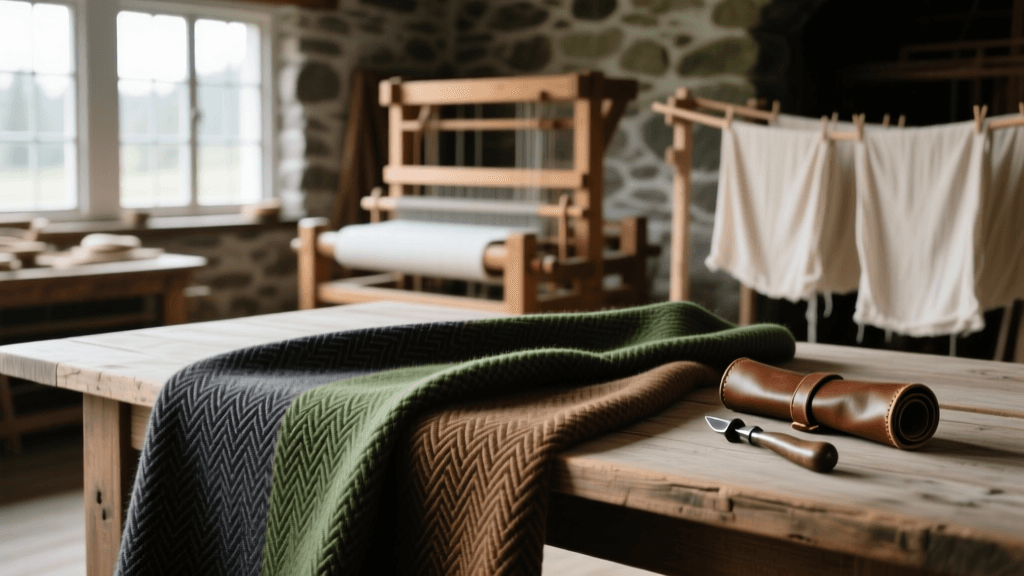
The foundation of any Eastern European folk garment is the fabric. In 2026, authentic makers strictly avoid synthetic blends, opting instead for 100% natural fibers. Handwoven or high-quality mill-woven linen remains the gold standard for the vyshyvanka and ie. When sourcing linen, look for a fabric weight between 150 and 200 GSM (grams per square meter). For counted-thread techniques like nyz or cross-stitch, an evenweave linen with a 28 or 32 count is essential to ensure the geometric patterns align perfectly with the fabric's natural grid.
For threads, while modern cotton floss is widely used for its colorfastness and accessibility, purists in 2026 are increasingly turning to hand-dyed wool, silk, and traditional hemp threads for specific regional styles. For instance, traditional Hutsul embroidery often incorporates metallic threads and small glass beads, while Romanian blouses from the Muscel region historically utilized silk thread for a subtle, luxurious sheen. The Victoria and Albert Museum's textile conservation department emphasizes that using historically accurate, natural-dye threads not only improves the garment's drape and breathability but also ensures its longevity as a heritage piece that can be passed down through generations.
Top Kit Categories and Sourcing in 2026
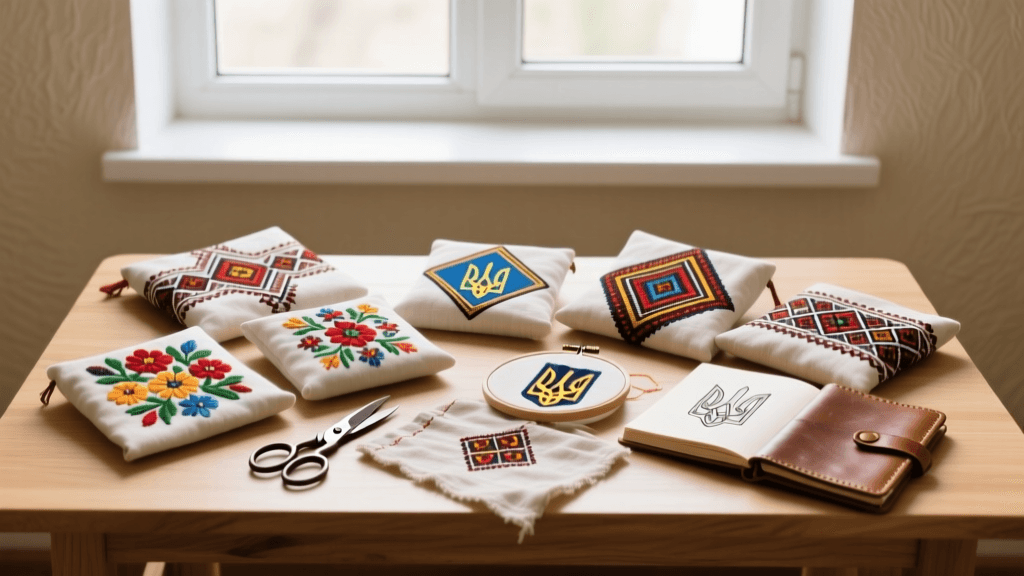
If you are beginning your journey into Eastern European folk dress this year, selecting the right embroidery kit is crucial. The 2026 market is divided into three main categories to suit different skill levels and goals:
- Heritage Replica Kits: These premium kits provide museum-grade evenweave linen, silk threads, and patterns sourced directly from 19th-century archival garments. They are best for advanced stitchers looking to create museum-quality reproductions and are often produced in collaboration with regional ethnographic museums.
- Modern Adaptation Kits: Designed for everyday wear, these kits feature simplified motifs pre-printed on softer, machine-washable linen blends. They are ideal for beginners wanting to create a wearable, modern vyshyvanka for the 2026 summer festival season without the steep learning curve of counted-thread geometry.
- Technique-Specific Masterclasses: Rather than a full garment, these kits focus on teaching a single, complex technique like brodivka (cutwork) or the Romanian altiță. They provide ample practice fabric, specialized needles, and access to digital video tutorials led by master artisans.
Garment Care and Preservation
Once you have invested dozens of hours into stitching your Slavic or Balkan folk dress, proper care is paramount to maintaining the integrity of the fibers and stitches. Never machine-wash hand-embroidered linen. Instead, soak the garment in cool water with a pH-neutral textile detergent. Avoid wringing the fabric; instead, roll it in a clean, dry towel to absorb excess moisture gently.
When ironing, always press the garment face down on a thick, fluffy towel. This prevents the embroidery stitches from being crushed and ensures the three-dimensional texture of the satin stitches and cutwork remains intact. Store your finished garments in acid-free tissue paper, away from direct sunlight, to prevent the natural dyes from fading over time. By following these preservation steps, your handmade folk dress will remain a vibrant testament to Eastern European heritage for decades to come.
Conclusion
The year 2026 marks a thrilling chapter for Eastern European folk dress. By understanding the profound symbolism of the motifs, mastering traditional stitching techniques, and sourcing high-quality natural materials, you can create garments that are not only beautiful but deeply rooted in Slavic and Balkan heritage. Whether you are stitching a Romanian ie or a Ukrainian vyshyvanka, you are participating in a living tradition that continues to inspire, protect, and connect us to our shared human history.