Authentic Vyshyvanka & Romanian Ie: 2026 Sourcing Guide
The Enduring Legacy of Eastern European Folk Dress
The rich tapestry of Slavic and Balkan folk dress represents centuries of cultural storytelling, spiritual protection, and regional identity. As we navigate the fashion and cultural heritage landscape in 2026, traditional garments like the Ukrainian Vyshyvanka and the Romanian Ie have transcended their historical roots to become globally recognized symbols of artisanal craftsmanship. Unlike fast fashion, these meticulously embroidered pieces offer a tangible connection to Eastern European heritage, with every stitch encoding ancient motifs of fertility, protection, and the natural world.
For collectors, cultural enthusiasts, and those seeking to integrate authentic folk textiles into their contemporary wardrobes, understanding the nuances of regional variations is paramount. The year 2026 has seen a massive resurgence in demand for ethically sourced, hand-loomed, and hand-embroidered garments, driven by a global shift toward sustainable, slow fashion and a profound desire to support Eastern European artisan cooperatives. This comprehensive guide will walk you through the distinct characteristics of these iconic garments, current market pricing, and how to authenticate true artisan work.
The Ukrainian Vyshyvanka: Decoding Regional Motifs
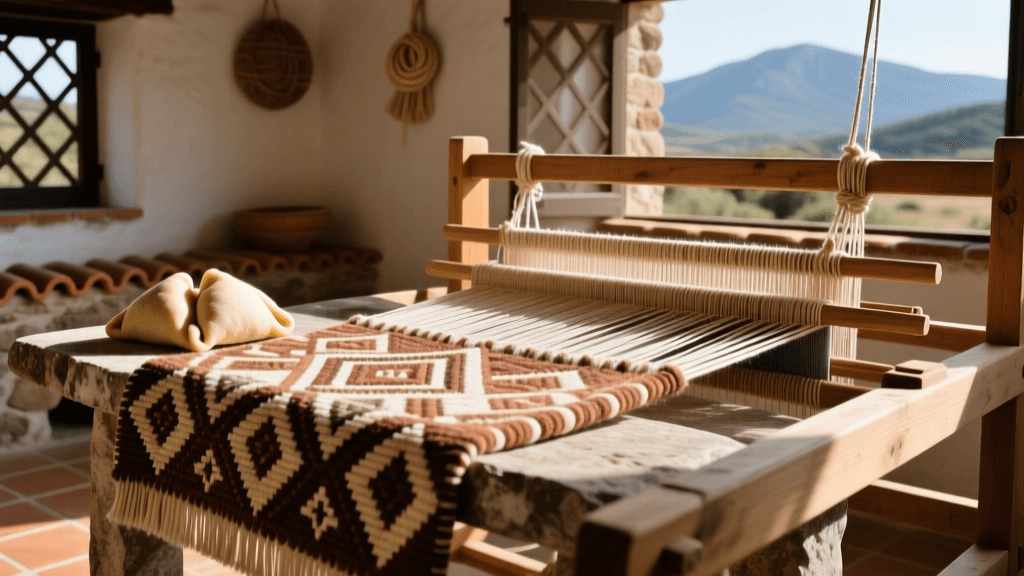
The Vyshyvanka is far more than a simple embroidered shirt; it is a wearable talisman. Historically, the embroidery was concentrated around the neck, cuffs, and hemline—areas where the body was thought to be vulnerable to evil spirits. In 2026, master artisans across Ukraine continue to preserve highly specific regional techniques, utilizing traditional linen woven on wooden looms and natural dyes derived from walnut husks, madder root, and woad.
Key Regional Variations
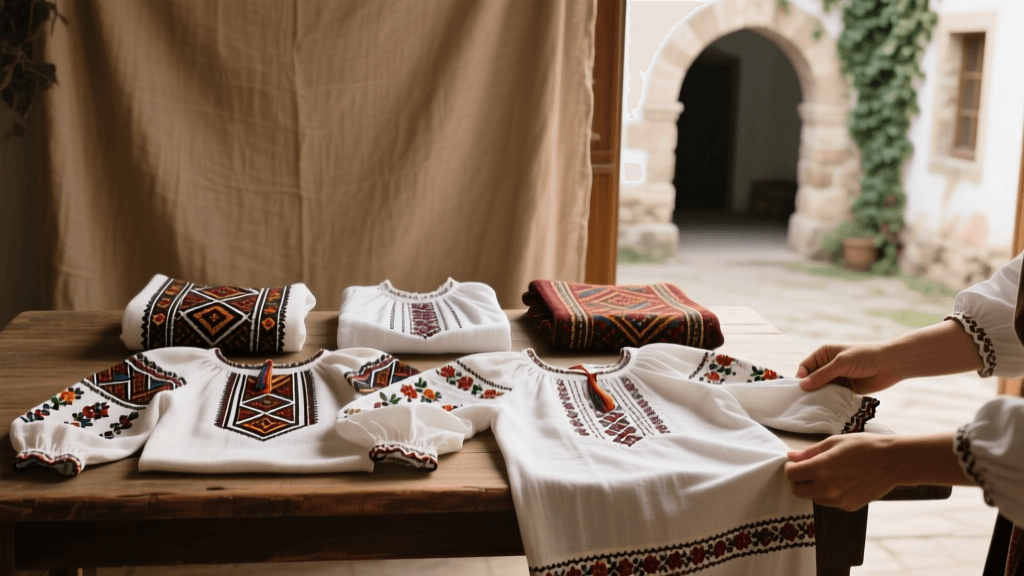
When sourcing a Vyshyvanka, recognizing the regional origin is crucial for both aesthetic preference and historical accuracy. The Poltava region is famous for its ethereal white-on-white embroidery, utilizing complex satin stitches and cutwork that create a subtle, textured interplay of light and shadow. Conversely, the Hutsul region in the Carpathian Mountains favors dense, vibrant geometric patterns heavily featuring black, red, and yellow threads, often incorporating cross-stitch and intricate beadwork.
| Region | Motif Style | Primary Colors | 2026 Artisan Price (USD) |
|---|---|---|---|
| Poltava | White-on-white, cutwork, geometric | White, subtle grey | $280 - $450 |
| Hutsul | Dense floral/geometric, beadwork | Black, red, yellow, green | $220 - $380 |
| Borshchiv | Heavy, dark embroidery | Black on white or hemp linen | $250 - $420 |
| Podillia | Woven and embroidered bands | Red, black, ochre | $190 - $320 |
According to archives maintained by The Ukrainian Museum, the geometric rhombus is one of the most pervasive motifs across all regions, symbolizing a sown field and representing fertility and prosperity. When purchasing a piece in 2026, ensure the seller can identify the specific village or oblast the pattern originates from, as true artisans are deeply connected to their local lineage.
The Romanian Ie: The Architecture of the Altita
The traditional Romanian blouse, known as the Ie, is a masterpiece of textile architecture. Recognized for its profound cultural significance, the art of the traditional Romanian blouse with embroidery on the shoulder was inscribed on the UNESCO Intangible Cultural Heritage list. This global recognition has spurred a renaissance in rural cooperatives across regions like Argeș, Vâlcea, and Suceava, where elder craftswomen are actively mentoring a new generation of embroiderers in 2026.
Anatomy of the Ie
Unlike the distributed embroidery of the Vyshyvanka, the Ie is structured around three main decorative zones. The most critical is the altiță, a broad, rectangular band of dense embroidery covering the shoulder. Below the altiță lies the increat, a narrower gathering band, followed by the râuri (rivers), which are diagonal or vertical bands of embroidery flowing down the sleeve. This specific structural layout is non-negotiable for an authentic Ie; mass-produced imitations frequently ignore the increat or alter the flow of the râuri.
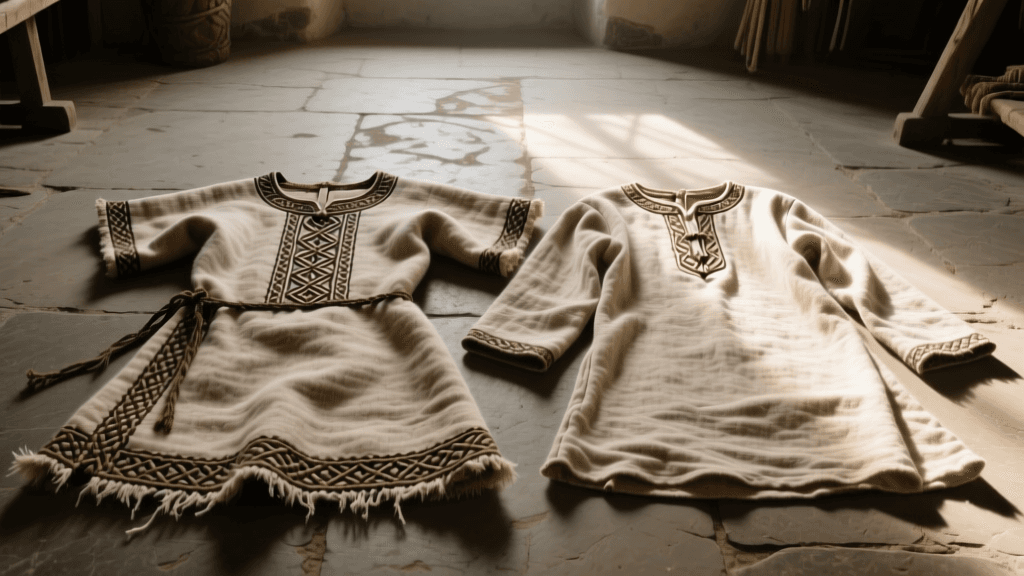
The base fabric is traditionally pânză de casă (homespun cloth), woven from hemp, flax, or cotton. In 2026, the most sought-after pieces utilize vintage, naturally aged hemp cloth, which provides a beautiful, rustic drape that modern, chemically treated cotton cannot replicate. The thread is often silk or wool, dyed with natural botanicals to achieve the muted, earthy tones characteristic of the southern Carpathian regions.
Sourcing Authentic Pieces in 2026
The market for Eastern European folk dress is unfortunately saturated with machine-made replicas manufactured overseas. To build an authentic collection or wardrobe, buyers must look toward vetted artisan networks, cultural heritage shops, and specialized textile cooperatives.
- Direct from Artisan Cooperatives: Platforms like the Semne Cusute community in Romania connect buyers directly with village embroiderers. Expect to pay between $200 and $500 for a bespoke Ie, with lead times of 2 to 4 months due to the hand-stitched nature of the work.
- Museum and Cultural Center Shops: Institutions such as the Muzeul Țăranului Român (Museum of the Romanian Peasant) in Bucharest offer curated, authentic pieces. Their 2026 catalog features verified vintage blouses sourced from rural estates, alongside contemporary pieces made using historically accurate patterns.
- Vetted Vintage Dealers: For historical pieces dating from the 1920s to the 1960s, specialized antique textile dealers in Kyiv, Lviv, and Cluj-Napoca remain the best resources. Vintage Borshchiv Vyshyvankas with natural black walnut dye can command premium prices, often exceeding $600 due to their rarity and historical provenance.
Authentication Guide: Spotting Mass-Produced Fakes
As the aesthetic of Slavic and Balkan folk dress grows in popularity, so does the proliferation of counterfeit garments. Spotting a machine-made fake requires a close examination of the textile's reverse side and the thread tension.
The Reverse Side Test
Authentic hand embroidery, particularly the traditional cross-stitch and satin stitch used in Eastern Europe, features a reverse side that is almost as neat as the front. While there may be minor variations in tension and small knots, the overall pattern should be clearly legible from the inside. Machine embroidery, conversely, leaves a chaotic web of jump stitches, bobbin thread, and synthetic stabilizers on the reverse. Furthermore, authentic artisans rarely use synthetic polyester threads; if the thread has a high, unnatural plastic sheen, it is likely a modern factory reproduction.
Fabric and Dye Verification
True homespun linen or hemp will have slight irregularities in the weave—slubs and varying thread thicknesses that give the fabric its organic character. Perfectly uniform, brightly white cotton is a hallmark of modern mass production. Additionally, natural dyes possess a complex, multi-tonal depth. A red dyed with madder root will show subtle variations in the light, whereas synthetic chemical dyes appear flat and overly vibrant. The Victoria and Albert Museum textile archives provide excellent visual references for how natural botanical dyes age and fade gracefully over decades, a patina that modern fakes attempt to mimic but rarely achieve convincingly.
Styling Eastern European Folk Dress for Contemporary 2026 Wardrobes
Integrating a Vyshyvanka or an Ie into a modern wardrobe requires a balance of respect for the garment's cultural weight and contemporary styling sensibilities. In 2026, the prevailing trend is to let the folk piece serve as the focal point of the outfit, avoiding overly costumey or theatrical pairings.
- Tailored Contrast: Pair the voluminous, flowing sleeves of a Romanian Ie with sharply tailored, high-waisted wide-leg trousers or a structured midi skirt. The contrast between the organic, romantic silhouette of the blouse and the clean lines of modern tailoring creates a sophisticated, high-fashion look.
- Layering for Transitional Weather: A heavy Borshchiv Vyshyvanka, with its dense black embroidery, serves as an excellent layering piece under a minimalist, unstructured wool blazer or a sleek leather jacket. This grounds the historical garment in an urban, contemporary context.
- Footwear and Accessories: Avoid pairing these blouses with traditional folk footwear like the Romanian opinci unless you are attending a specific cultural festival or folk dance event. Instead, opt for modern, minimalist leather boots, sleek loafers, or simple block-heel sandals. Keep jewelry understated; let the intricate altiță or the Poltava cutwork speak for itself.
Preserving and Caring for Artisan Textiles
Owning an authentic piece of Eastern European folk dress comes with the responsibility of proper preservation. Hand-loomed hemp and natural dyes require specific care to maintain their structural integrity and color vibrancy. Never machine wash or tumble dry these garments. Instead, hand wash them gently in cool water using a pH-neutral, organic textile soap. Avoid wringing the fabric; instead, roll the garment in a clean, dry cotton towel to press out excess moisture, and lay it flat to dry away from direct sunlight, which can rapidly degrade natural botanical dyes.
For long-term storage, wrap the garments in acid-free tissue paper and place them in a breathable cotton storage bag. Avoid plastic bins, which can trap moisture and lead to mildew, particularly in humid climates. With proper care, these 2026 artisan commissions and vintage treasures will endure as wearable heirlooms for generations to come.
Conclusion
The Ukrainian Vyshyvanka and the Romanian Ie are not merely garments; they are profound expressions of identity, resilience, and artistry. As we move through 2026, supporting the artisans who keep these ancient techniques alive is more important than ever. By understanding the regional nuances, demanding authentic craftsmanship, and styling these pieces with modern reverence, we ensure that the rich legacy of Slavic and Balkan folk dress continues to thrive in the global wardrobe.