Authentic Ukrainian Vyshyvanka Sourcing Guide 2026: Top Regions
Introduction to the Vyshyvanka Renaissance in 2026
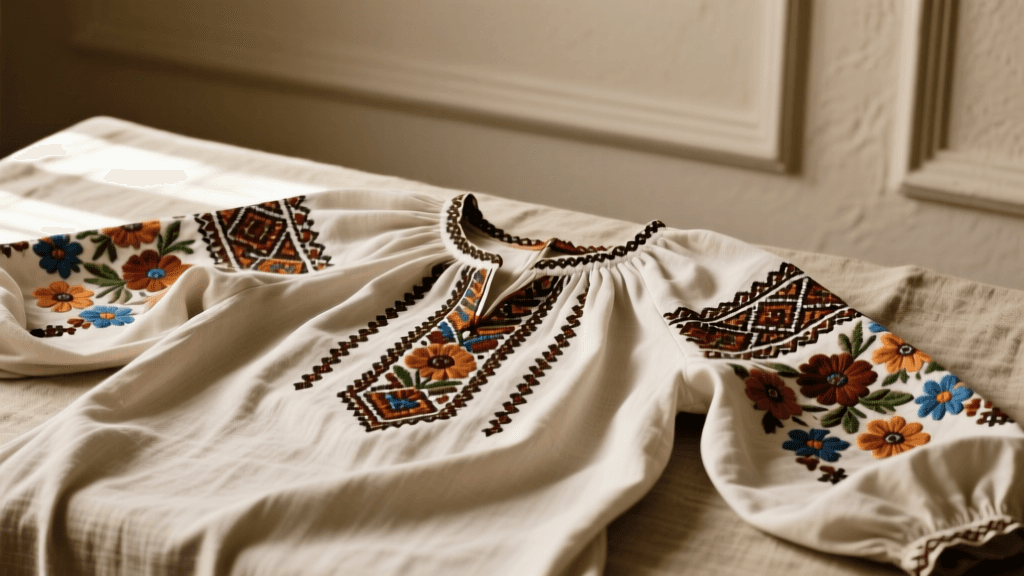
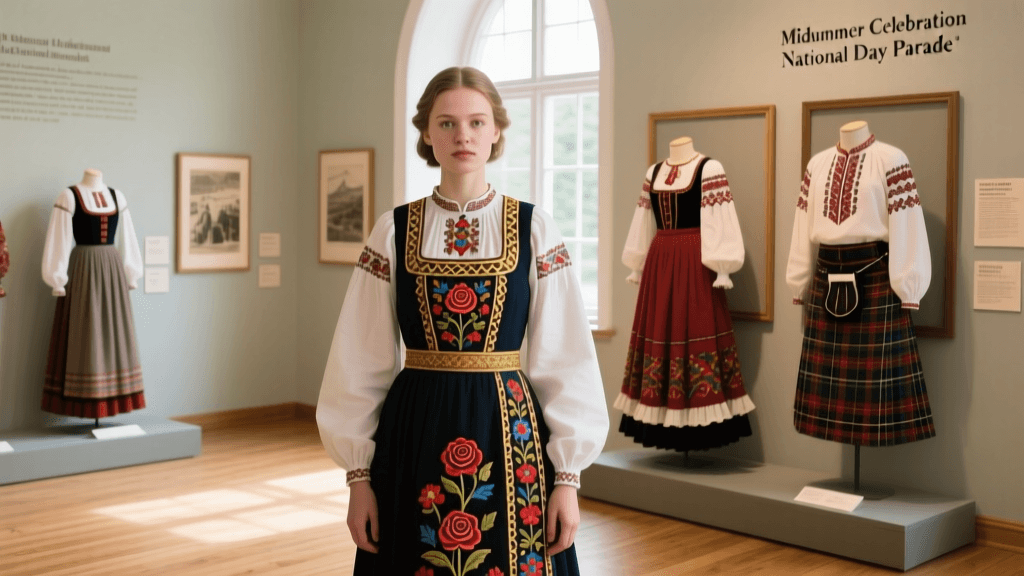
The Eastern European folk dress landscape is vast and deeply storied, but few garments command the reverence, intricacy, and global recognition of the Ukrainian vyshyvanka. As we navigate the heritage textile market in 2026, the demand for authentic, handcrafted Slavic and Balkan garments has reached unprecedented heights. No longer confined to museum archives or occasional national holidays, the traditional embroidered shirt has become a staple of contemporary heritage fashion, worn globally as a symbol of resilience, identity, and masterful craftsmanship.
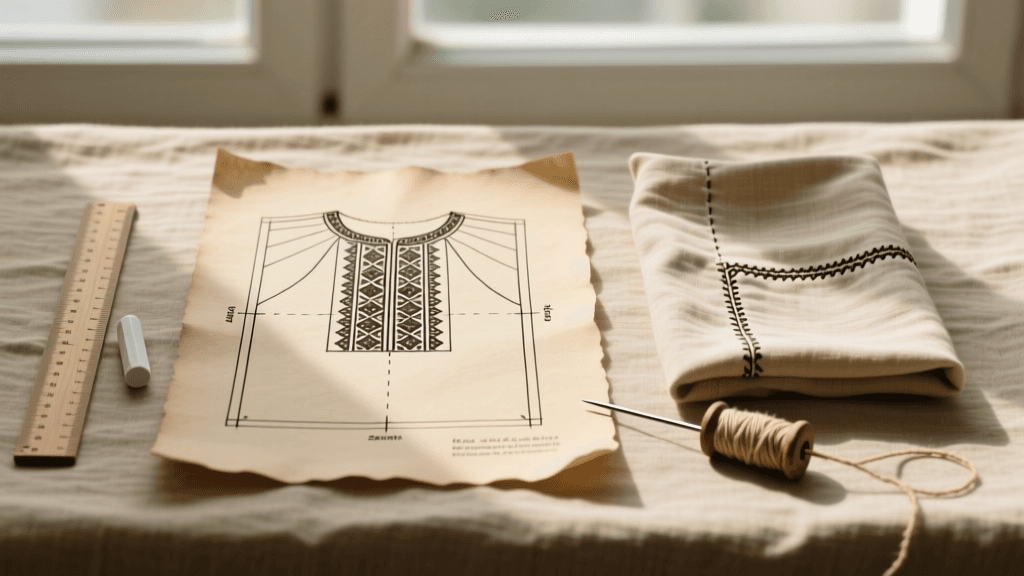
However, this surge in popularity has also flooded the market with mass-produced, machine-embroidered imitations. For serious collectors, cultural enthusiasts, and supporters of traditional artisanship, distinguishing between a genuine, hand-stitched heirloom and a factory-made replica is more critical than ever. This comprehensive 2026 sourcing guide explores the distinct regional embroidery techniques of Ukraine, provides a current market pricing analysis, and offers actionable advice on how to authenticate and care for these magnificent pieces of Eastern European folk dress.
Decoding Regional Embroidery Techniques
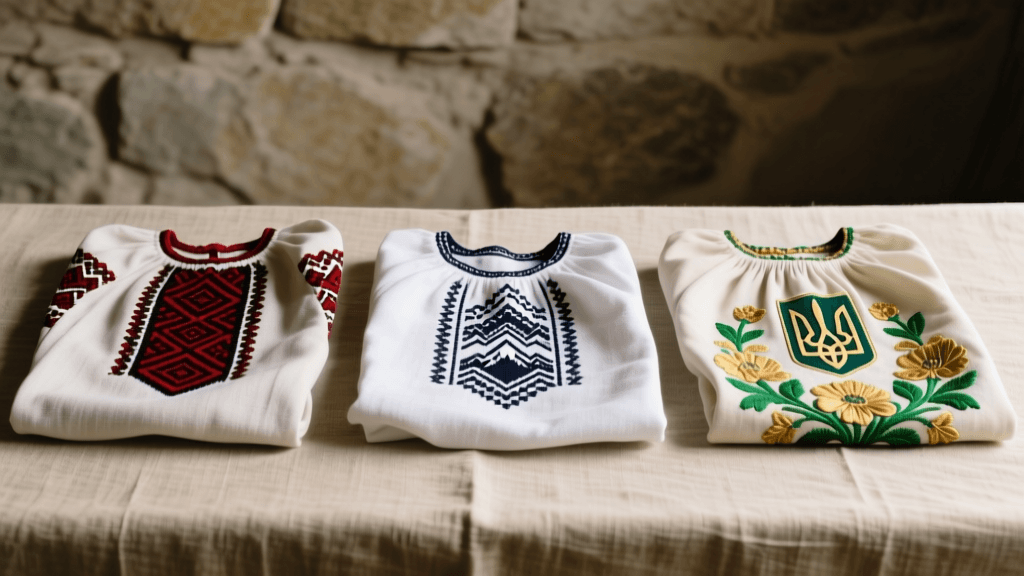
Ukrainian embroidery is not a monolith; it is a complex geographic tapestry where every village and region historically maintained its own distinct visual dialect. According to the Encyclopedia of Ukraine, the variations in stitch types, color palettes, and symbolic motifs serve as a historical map of the region's cultural evolution. When sourcing a genuine piece in 2026, understanding these regional hallmarks is your first line of authentication.
Poltava Region: The Elegance of White-on-White
The Poltava region in central Ukraine is world-renowned for its bil po bilomu (white-on-white) embroidery. This technique relies not on contrasting colors, but on the interplay of light, shadow, and texture. Artisans use intricate stitches such as lyshva (a type of drawn-thread work) and zavolikannya to create raised, geometric, and floral patterns that catch the sunlight. In 2026, authentic Poltava vyshyvankas are highly sought after for their understated elegance and are frequently commissioned for high-end contemporary fashion and formal cultural events. The base fabric is typically high-quality, unbleached linen, and the thread is a meticulously spun cotton or linen, occasionally accented with subtle grey or pale blue.
Hutsulshchyna: Vibrant Geometric Cross-Stitch
Located in the Carpathian Mountains, the Hutsul region offers a stark contrast to the subtlety of Poltava. Hutsul embroidery is characterized by dense, vibrant geometric patterns executed primarily in cross-stitch. The traditional color palette is rich and symbolic: deep reds representing life and energy, blacks for the earth, and bright yellows and greens for nature and prosperity. In recent years, Hutsul artisans have increasingly integrated glass beads and metallic threads into their work, a practice that has evolved significantly by 2026 to include micro-beadwork that borders on jewelry-making. The heavy, densely stitched cuffs and collars of a Hutsul shirt are not just decorative; they were historically believed to protect the wearer's vital energy points from evil spirits.
Bukovyna: Metallic Threads and Heavy Beadwork
Bordering the Carpathians and historically influenced by a blend of Slavic, Romanian, and Ottoman aesthetics, the Bukovyna region produces some of the most opulent folk garments in Eastern Europe. Bukovynian embroidery frequently employs the nyzyna stitch, a complex technique worked from the reverse side of the fabric to create a distinct, textured pattern on the front. What truly sets Bukovyna apart in the 2026 artisan market is the lavish use of gold and silver metallic threads, sequins, and heavy beadwork. These garments are heavy, luxurious, and typically reserved for major festivals, weddings, and significant cultural exhibitions.
2026 Buyer’s Guide: Market Pricing and Lead Times
Sourcing authentic, hand-embroidered garments requires patience and a realistic budget. The 2026 artisan cooperative pricing index reflects the immense labor involved; a single authentic shirt can take anywhere from 80 to 300 hours to complete by hand. Below is a comparative overview of what buyers should expect when commissioning or purchasing directly from verified regional cooperatives this year.
| Region | Primary Technique | Base Material | Avg. 2026 Price (USD) | Artisan Lead Time |
|---|---|---|---|---|
| Poltava | White-on-white, drawn-thread | Raw Linen | $450 - $850 | 3 - 5 Months |
| Hutsulshchyna | Cross-stitch, micro-beadwork | Cotton/Linen blend | $350 - $600 | 2 - 4 Months |
| Bukovyna | Nyzyna, metallic threads | Heavy Linen | $600 - $1,200 | 4 - 7 Months |
Authentication: Handcrafted vs. Mass-Produced
As institutions like The Ukrainian Museum continually emphasize in their textile preservation exhibitions, the soul of a vyshyvanka lies in its imperfections and its construction. In 2026, advanced computerized embroidery machines can mimic traditional patterns with frightening accuracy, but they cannot replicate the structural integrity of hand-stitched folk art.
When evaluating a piece, always turn the garment inside out. In authentic hand-embroidery, the reverse side of the fabric should be nearly as neat as the front. Artisans are trained to hide their knots and carry threads meticulously under the stitches. Machine embroidery, conversely, leaves a chaotic web of jump stitches, loose threads, and synthetic backing stabilizers on the reverse side. Furthermore, hand-stitched cross-stitches will have microscopic variations in tension and angle, giving the garment a living, organic texture that machines cannot replicate.
Another hallmark of the 2026 market is the rise of digital provenance. Many verified artisan guilds and cooperatives now provide blockchain-backed digital certificates of authenticity. These certificates include the artisan's name, the village of origin, the specific stitch types used, and the exact number of hours logged on the piece. Always request this documentation when purchasing high-end heritage garments.
Sourcing Authentic Pieces: Cooperatives and Artisans
To ensure your purchase directly supports the preservation of Eastern European folk dress, bypass generic online marketplaces and seek out established cultural cooperatives. Organizations dedicated to the preservation of Carpathian and central Ukrainian crafts often operate direct-to-consumer portals that connect global buyers with rural artisans. When sourcing, look for cooperatives that provide transparent breakdowns of how the purchase price is distributed, ensuring the artisan receives a living wage for their specialized skills.
Additionally, attending international folk art markets and heritage textile fairs in 2026 remains one of the best ways to source authentic pieces. These events allow you to examine the stitch quality in person, feel the weight of the traditional linen, and speak directly with the makers about the symbolic meaning behind their specific regional motifs.
Caring for Your Heritage Garment
A handcrafted vyshyvanka is an investment in cultural history, and proper care is essential to ensure it survives for future generations. Never machine-wash or dry-clean authentic hand-embroidered linen, as the harsh chemicals and agitation can cause the natural dyes to bleed and the delicate threads to fray.
Instead, hand-wash the garment in lukewarm water using a pH-neutral, organic textile soap. Gently agitate the water, but never twist or wring the fabric. Roll the damp shirt in a clean, dry towel to absorb excess moisture, and lay it flat to dry away from direct sunlight, which can degrade both the linen fibers and the natural dyes over time. When ironing, always turn the garment inside out and place a damp cotton cloth between the iron and the embroidery. This prevents the stitches from being crushed flat and preserves the three-dimensional texture that defines regional styles like the Poltava lyshva.
Conclusion
The Slavic and Eastern European folk dress tradition is a living, breathing art form. By understanding the distinct regional techniques of Poltava, Hutsulshchyna, and Bukovyna, and by knowing how to authenticate and properly care for these garments, buyers in 2026 can confidently navigate the market. Sourcing an authentic vyshyvanka is more than a fashion choice; it is an active participation in the preservation of a profound cultural heritage, ensuring that the meticulous artistry of Eastern European embroiderers continues to thrive in the modern era.