Authentic Vyshyvanka and Ie Blouses: 2026 Buyer Guide
The Enduring Legacy of Eastern European Embroidery in 2026
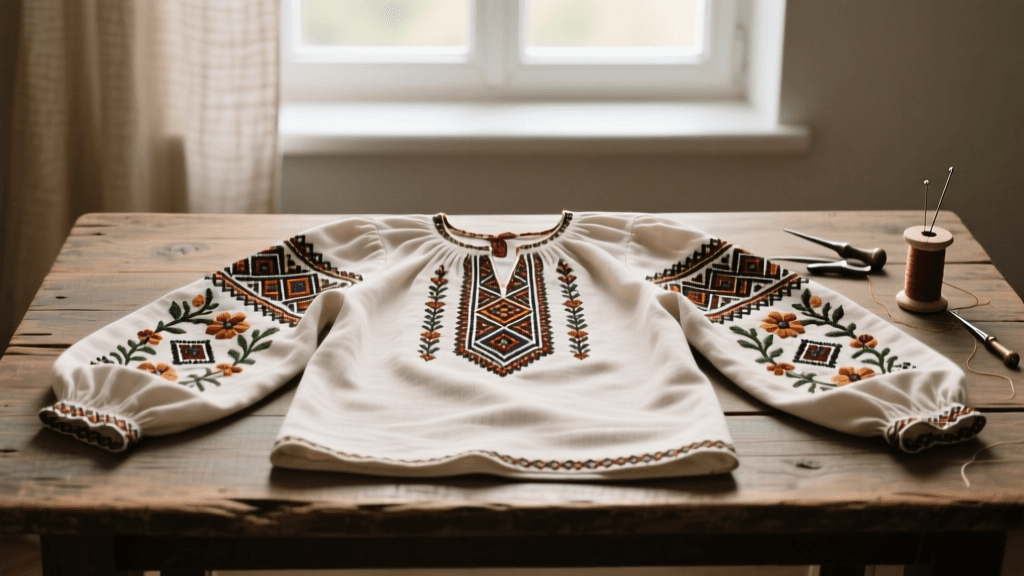
In 2026, the global appreciation for Eastern European and Balkan folk dress has evolved from a niche textile interest into a major movement centered on heritage preservation, slow fashion, and cultural pride. At the forefront of this renaissance are the iconic embroidered blouses of the region: the Ukrainian Vyshyvanka, the Romanian and Moldovan Ie, and their Balkan counterparts like the Bulgarian Riza. These garments are not merely historical artifacts; they are living, breathing canvases that communicate regional identity, spiritual beliefs, and familial lineage through intricate needlework.
However, the surging demand for Slavic and Balkan folk dress has also led to a market saturated with mass-produced, machine-embroidered imitations. For collectors, cultural enthusiasts, and fashion historians, distinguishing between an authentic, hand-stitched heirloom and a factory-made replica is more critical than ever. This comprehensive 2026 sourcing and styling guide will help you navigate the anatomy, valuation, and preservation of authentic Eastern European folk blouses.
Anatomy of the Ukrainian Vyshyvanka
The Vyshyvanka is the quintessential Ukrainian embroidered shirt, traditionally made from homespun linen or hemp. The magic of the Vyshyvanka lies in its regional diversity, with over 100 distinct historical embroidery techniques documented across Ukraine's oblasts. In 2026, collectors highly prize specific regional styles that showcase unique geometric and botanical motifs.
Key Regional Variations
- Poltava Region: Famous for its 'white-on-white' embroidery (bila po bilomu). This technique relies on texture rather than color, utilizing complex cutwork (lyshva), satin stitch, and hemstitching to create shadow and light play on the linen.
- Hutsul Region (Carpathians):strong> Characterized by dense, vibrant geometric patterns. The dominant colors are deep red, black, and yellow, often incorporating cross-stitch and intricate beadwork that reflects the mountainous, spirited culture of the Hutsul people.
- Bukovina: Known for its heavy use of black and red threads, often incorporating metallic threads and sequins, reflecting historical trade routes and cross-cultural influences from neighboring Romania and Moldova.
When examining a Vyshyvanka, look for the zavolikannya (running stitch) that creates a subtle, textured ridge. Authentic hand-stitched pieces will show slight, natural irregularities in thread tension, which are hallmarks of human craftsmanship rather than machine precision.
The Romanian and Moldovan Ie: A Masterclass in Structure
The Ie is the traditional blouse worn by women across Romania and Moldova, celebrated for its highly structured, T-shaped silhouette and symbolic embroidery placement. Recognized for its profound cultural significance, the traditional Romanian blouse with shoulder embroidery was inscribed on UNESCO's Intangible Cultural Heritage list, cementing its status as a protected global treasure.
The Three Pillars of the Ie
- Altiță (The Shoulder):strong> A rectangular, heavily embroidered panel on the shoulder. Historically, it served as a protective talisman, as the shoulders were considered vulnerable to evil spirits. The motifs here often represent the sky and celestial bodies.
- Încreț (The Gather):strong> A small, square or rectangular band of embroidery just below the altiță, featuring a contrasting color (often yellow or light blue) and a distinct geometric grid pattern. It acts as a transitional element between the shoulder and the sleeve.
- Râuri (The Rivers):strong> Vertical or diagonal bands of embroidery flowing down the sleeves. These 'rivers' symbolize the flow of life, water, and agricultural fertility. The density of the râuri traditionally indicated the wealth and marital status of the wearer.
To explore authentic historical examples and understand the profound regional differences between the blouses of Argeș, Vâlcea, and Suceava, digital archives provided by institutions like the Romanian Peasant Museum remain invaluable resources for modern buyers and researchers.
Balkan Cousins: The Bulgarian Riza and Serbian Košulja
While the Vyshyvanka and Ie dominate Eastern European discussions, the broader Balkan region offers equally stunning textile traditions. The Bulgarian Riza features striking, asymmetrical, or heavily bordered embroidery known as shevitsa. Unlike the flowing sleeves of the Romanian Ie, the Bulgarian Riza often features gathered cuffs and hemlines adorned with protective geometric amulets stitched in deep reds and blacks.
Similarly, the traditional Serbian Košulja is renowned for its delicate lace-like insertions and sleeve embroidery, often paired with heavy silver coin belts and tepeluk (silver headpieces). In 2026, sourcing these specific Balkan garments requires engaging directly with regional artisan cooperatives in Sofia and Belgrade, as they are less commonly exported than Ukrainian or Romanian blouses.
Sourcing Authentic Pieces: Avoiding the Fast-Fashion Trap
The 2026 market for Eastern European folk dress is bifurcated. On one side, fast-fashion retailers offer machine-embroidered polyester blends that appropriate cultural motifs without respecting their structural integrity. On the other side, a thriving network of artisan cooperatives, heritage brands, and vintage dealers offer authentic, hand-stitched garments.
How to Verify Authenticity
- The Reverse Side Test: Turn the garment inside out. In high-quality traditional hand-embroidery, the reverse side should look almost as neat as the front, with threads carefully woven under the stitches. Machine embroidery will show a chaotic web of bobbin thread and jump-stitch cut-offs.
- Fabric Composition: Authentic historical and high-end modern pieces are woven from natural fibers: linen, hemp, cotton, or raw silk. Avoid synthetic blends that trap heat and lack the organic drape required for traditional gathers.
- Stitch Count and Density: Hand-embroidered altiță panels can take upwards of 80 to 120 hours to complete. If a heavily embroidered blouse is priced under $150 USD, it is almost certainly machine-made or produced in a sweatshop, undermining the slow-fashion ethos of the tradition.
2026 Pricing and Valuation Guide
| Category | Material Base | Embroidery Method | 2026 Estimated Price (USD) | Best Use Case |
|---|---|---|---|---|
| Mass-Market Commercial | Cotton/Poly Blend | Computerized Machine | $40 - $90 | Casual wear, costumes (Not recommended for collectors) |
| Modern Artisan Cooperative | 100% Handwoven Linen | Hand-stitched (Cross/Satin) | $250 - $600 | Heritage wardrobes, cultural events, slow fashion styling |
| Vintage (1950s - 1980s) | Hemp / Homespun Cotton | Hand-stitched (Regional) | $150 - $400 | Collecting, archival study, careful styling |
| Antique (Pre-1940s) | Raw Hemp / Nettle | Hand-stitched (Heirloom) | $800 - $3,500+ | Museum archives, textile preservation, investment |
Preservation and Care for Heritage Textiles
Owning an authentic Vyshyvanka or Ie comes with the responsibility of proper textile conservation. The natural dyes used in older pieces (such as madder root for red or woad for blue) are highly sensitive to modern alkaline detergents and UV light.
Washing and Drying Protocols
Never machine-wash or dry-clean authentic folk blouses. Dry cleaning chemicals can strip the natural oils from vintage linen, causing it to become brittle. Instead, follow conservation-grade washing techniques:
- Submerge the garment in lukewarm water with a pH-neutral, conservation-grade textile wash.
- Gently agitate by hand for no more than five minutes. Do not scrub the embroidered areas, as this can cause the fibers to pill or the threads to bleed.
- Rinse thoroughly in cool water. Never wring or twist the fabric, as this distorts the structural integrity of the încreț and gathers.
- Roll the blouse flat inside a clean, dry cotton towel to absorb excess moisture, then lay it flat on a drying rack away from direct sunlight.
For long-term storage, avoid wire hangers which can stretch the delicate shoulder seams. Fold the garment using acid-free tissue paper to prevent hard creases, and store it in a breathable cotton pillowcase in a cool, dark environment. For comprehensive guidelines on managing historic textiles, the Victoria and Albert Museum's textile care resources offer excellent, museum-standard advice applicable to home collectors.
Styling Folk Blouses for the Modern 2026 Wardrobe
The beauty of the Slavic and Balkan folk blouse lies in its versatility. In 2026, the trend has moved away from wearing these pieces as literal 'costumes' and toward integrating them as statement heritage pieces within a modern, tailored wardrobe.
- The Tailored Contrast: Pair a voluminous, white linen Ie with high-waisted, wide-leg wool trousers in charcoal or navy. The juxtaposition of the romantic, gathered sleeves against the sharp, architectural lines of modern tailoring creates a striking, sophisticated silhouette.
- Layering for Autumn: Wear a heavier, dark-embroidered Hutsul Vyshyvanka under a structured leather blazer or a minimalist trench coat. Allow the intricate collar and cuffs to peek through, providing a subtle nod to Eastern European heritage without overwhelming the outfit.
- Skirt Pairings: For a more traditional yet contemporary look, tuck a Bulgarian Riza into a heavy, pleated midi skirt made of raw silk or dense cotton, cinched with a modern, minimalist leather belt rather than a traditional heavy coin belt.
By understanding the deep cultural roots, structural anatomy, and proper care of these garments, you do more than just acquire a beautiful piece of clothing. You become a custodian of Eastern European history, ensuring that the stories stitched into the linen continue to be told for generations to come.